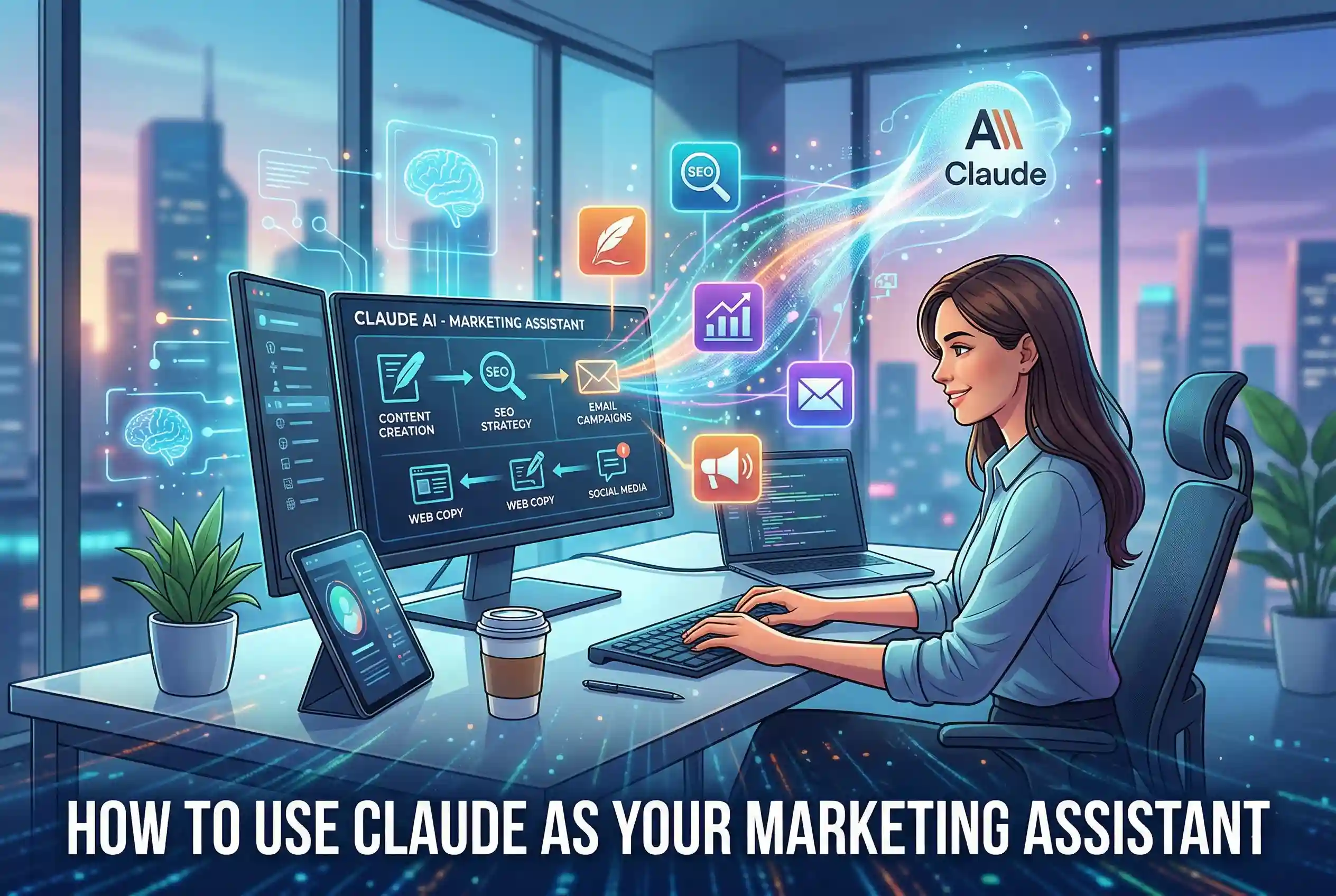
How to Use Claude as your Marketing Assistant
How to Use Claude as Your Marketing Assistant Claude is a free AI assistant built by Anthropic that helps businesses…

Hiring an AI app development company gives you a full team, structured delivery, and long-term support — while freelancers offer lower upfront cost but carry real risks around reliability, skill gaps, and scalability. For most businesses building a serious AI product, a company is the smarter investment. Here’s how to think through the decision without the fluff.
Choosing between the two isn’t just a budget call. It affects your timeline, your product quality, and honestly — whether your app actually makes it to launch at all.
Table of Contents
This isn’t website development. Building an AI-powered app means dealing with machine learning models, API integrations, data pipelines, backend infrastructure, UI/UX, testing, and maintenance — sometimes all at once. That’s a lot to ask of one person.
There are situations where a freelancer is the right call. Small scope, fixed requirements, tight budget — a good freelancer can get it done without the overhead of a full agency engagement.
Cost on smaller projects — Hourly rates are usually lower. For something like a basic chatbot or a single-feature AI tool, that gap matters.
Quicker to kick off — No lengthy contracts or onboarding. You find someone, align on scope, and start within days.
Direct working relationship — You talk to the person building it. That directness removes a lot of friction.
That said, the cracks show fast once a project gets more complex.
They go quiet — Freelancers work across multiple clients. If yours stops being the priority, progress slows or stops entirely. It’s more common than people admit.
One person can only do so much — Strong in Python but weak in design. Great at model integration but not deployment. You end up managing the gaps yourself.
Nothing to fall back on — No escalation path, no SLA, no team structure. If something breaks or gets delivered badly, you’re largely on your own.
Growth becomes a problem — If your app takes off and needs to evolve, a solo freelancer often can’t keep up with what that demands.
A proper AI app development company brings in a full team from day one. Designers, developers, AI engineers, QA, project management — everyone doing their specific job well.
Full-stack capability — Discovery, design, model training, deployment, post-launch support. You’re not piecing together three different vendors and hoping they communicate.
Accountability built in — Timelines, documentation, progress updates, contracts. There’s a process behind every stage, not just good intentions.
They stay current — AI tools move fast. A dedicated company invests in keeping up — newer LLMs, RAG pipelines, multimodal features. A freelancer fits that learning in between client work.
Work doesn’t stop — Someone sick or unavailable? The rest of the team continues. That kind of redundancy doesn’t exist elsewhere.
Built to scale — More users, new features, architecture changes — a company can absorb that without the project falling apart.
Yes, companies cost more. But for anything meant to actually work in production, that cost reflects what’s really involved.
Before you choose, answer these honestly:
If complexity or growth is in the picture — an AI app development company is the answer.
They try to save money by going freelance on a project that’s too big for it. Deadlines slip, quality varies, and they end up paying a company to clean up the mess anyway — at a higher cost than just starting right.
AI products also need ongoing work. Models drift. Pipelines break. Requirements change. A team that stays with you through all of that is worth more than a cheaper start.
Not necessarily in the long run. Freelancers may cost less upfront, but scope creep, delays, and rework can push the final cost well past what a company would have charged. For mid-to-large projects, companies often deliver better value overall.
Some can handle parts of it well, but a full AI product — with design, development, integration, testing, and deployment — typically needs more than one skill set. A single freelancer managing all of that is a stretch.
Look for a portfolio of shipped AI products, clear project processes, honest communication, and post-launch support. A company that’s been around for a few years with real client results is a stronger bet than one that’s new to AI work.
For small, well-defined tasks — a specific API integration, a lightweight automation tool, or a quick prototype — a skilled freelancer can be the right fit. The problem starts when the scope grows beyond what one person can reliably handle.
If you’re serious about your AI app product — not just getting something built, but getting something that works, scales, and delivers real value — the team behind it matters.
Turnihi Tech Solutions has been building digital products since 2014. Design, development, AI integration, marketing — all under one roof. We’ve helped businesses across industries go from idea to launch without the usual chaos.
Share Post:

How to Use Claude as Your Marketing Assistant Claude is a free AI assistant built by Anthropic that helps businesses…
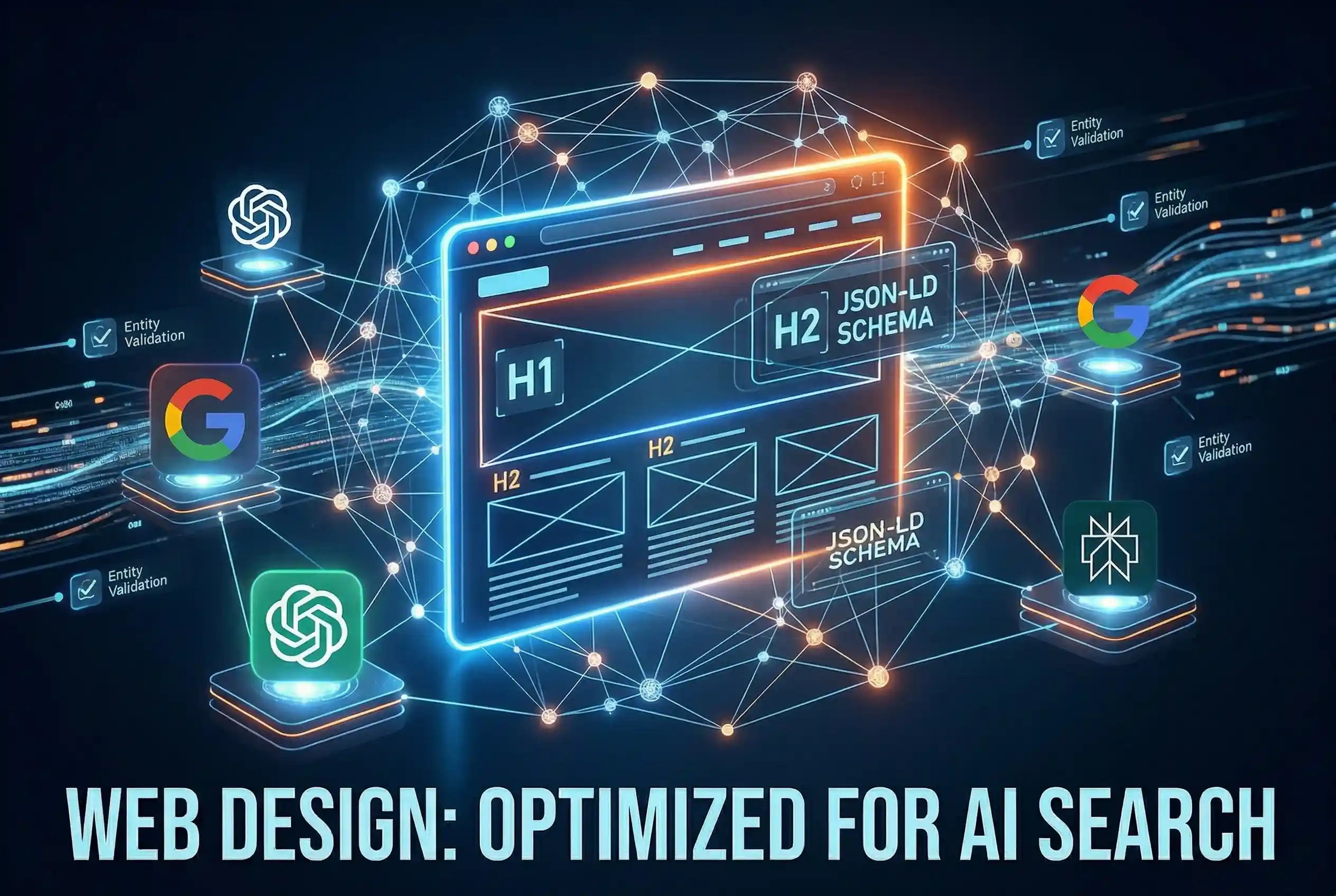
Web Design: Optimized for AI Search Web Design in 2026 is no longer just about visuals like colors and layouts;…
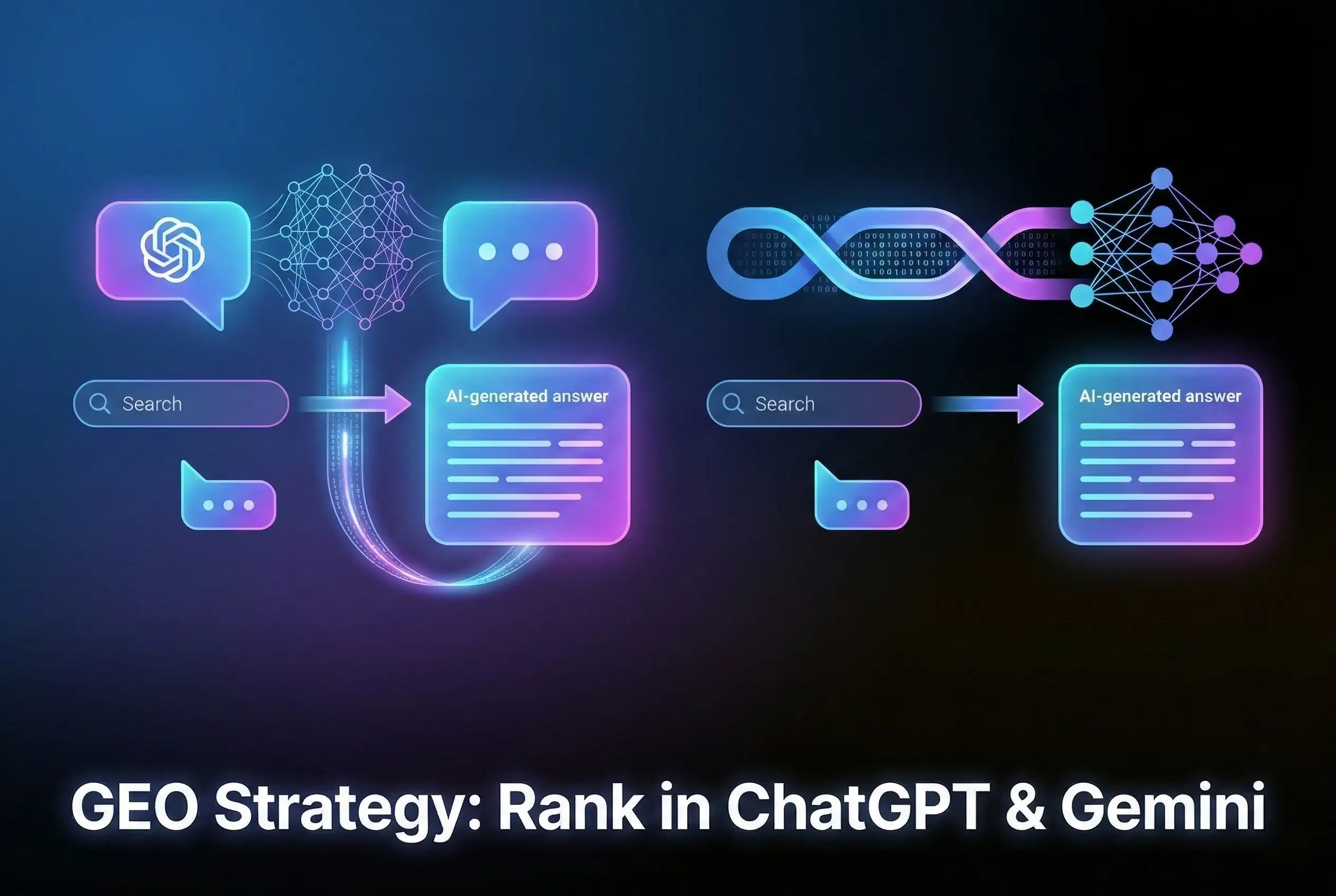
GEO Strategy: Rank in ChatGPT & Gemini Generative Engine Optimization (GEO) is the essential strategy of optimizing your brand to…
Human + AI Content Strategy: The Winning Formula There is a conversation happening in almost every marketing team right now…

Why Having a Human Partner is Better Than an AI in Website Development If you’ve seen those ads promising a…