Vibe Coding Is Over : Here’s What Actually Works
Vibe Coding Is Over : Here’s What Actually Works Vibe coding had its moment. For a while, it felt like…

Zero-click searches are fundamentally changing how we use the internet. You type something into Google, the answer appears right at the top of the page, and you leave without clicking a single link. In 2026, over 60% of traditional Google searches end this way, and that number jumps to 93% when Google’s AI Mode is involved.
If your business depends on organic traffic, this is not a distant warning. It is already affecting your numbers. The good news? There are practical ways to win in this environment—and most businesses have not figured them out yet.
Table of Contents
AI Overviews now correlate with a 58% lower click-through rate for the top-ranking page. So even if you rank number one on Google, more than half the people searching that term are not visiting your website.
Google’s AI Overviews expanded from covering 12% of queries in mid-2024 to 58% by early 2026 — and it is still growing. Beyond Google, ChatGPT now handles 17.1% of all digital queries. People are getting answers from AI tools without opening a single website.
The old SEO game of “rank high, get clicks” no longer works in isolation. You must adapt to a world where zero-click searches are the new normal.
The single biggest shift you need to make is this: stop only optimising to rank under the AI Overview and start optimising to be inside it.
Google pulls AI Overview content from pages that are structured clearly, answer questions directly, and are backed by trusted sources. To get there, rewrite your key pages and blog posts with this structure — a clear question as a heading, followed by a direct 40–60 word answer, followed by supporting detail. That is exactly the format Google’s AI is trained to extract and display.
Add FAQ schema markup to your pages. This signals to Google that your content is structured as a question-and-answer, which dramatically improves your chances of being pulled into AI Overviews and People Also Ask boxes. Question-based headings, FAQ schema, and concise direct answers remain among the most effective ways to appear in zero-click features in 2026.
Most businesses are still only thinking about Google. That is a mistake. Generative Engine Optimisation shifts the goal from ranking in a list of links to being cited inside an AI-generated answer — which builds brand trust even when no click happens.
To get cited by AI tools like ChatGPT and Perplexity, you need original content they can reference — proprietary data, research, genuine expert opinions, and strong backlinks from credible publications. When authoritative sites write about your brand or link to your content, AI tools pick up on that and are more likely to mention you when someone asks a relevant question.
Think of GEO as digital PR with an SEO benefit. Every guest post on a credible site, every press mention, every expert quote in an industry article — it all increases the chance of your brand showing up inside AI answers.
Here is something most content strategies get wrong in 2026 — they are still heavily weighted toward how-to guides and informational content. That is precisely the content most at risk. Informational searches trigger AI Overviews up to 88% of the time, while transactional queries trigger them at just 1.76%.
Pricing pages, service comparison articles, “best X for Y” content, case studies, and product-specific landing pages still drive real clicks — because users need to visit a site to take action. Shift more of your content effort toward these formats. They convert better and are far less disrupted by zero-click behaviour.
The most zero-click-proof traffic you can have is branded search — people typing your business name directly into Google because they already know who you are.
AI systems now pull together everything the web says about your brand to decide whether to recommend you — making your off-page presence directly tied to your search visibility. The more your brand appears across guest posts, review platforms, business directories, social media, and PR mentions, the more likely AI engines are to surface you in answers.
This is why off-page SEO has become more valuable than ever — not less — in an AI-driven world. Every external mention of your brand is a trust signal that feeds both traditional SEO and AI citation algorithms.
Even when no one clicks, being cited in an AI Overview plants your brand name in someone’s mind. Brands cited in AI Overviews see measurable growth in direct traffic, branded searches, and brand recall — even without the initial click. Someone reads your brand name in an AI answer today and searches for you directly three days later.
To capitalise on this, make sure your brand name is crystal clear in your page titles and meta descriptions. When people search your brand name directly after seeing it in an AI answer, you need to own that result completely — your website, your Google Business Profile, your social profiles. That full-page presence converts passive impressions into real leads.
It is when someone searches on Google and gets their answer directly on the results page — through an AI Overview, featured snippet, or knowledge panel — without clicking any website.
Transactional and commercial content — pricing pages, service comparisons, case studies, and product landing pages — are far less affected because users still need to visit a site to take action.
AEO (Answer Engine Optimisation) is about structuring your content to appear inside Google’s direct answer features. GEO (Generative Engine Optimisation) is about getting your brand cited inside AI-generated responses on platforms like ChatGPT and Perplexity.
Yes, especially for commercial and local search queries. But it now needs to work alongside AEO and GEO — ranking alone is no longer enough to guarantee consistent traffic.
Zero-click searches are not a glitch in the system — they are the system now. Waiting for things to go back to normal is not a strategy.
The businesses that are growing despite this shift are the ones treating every piece of content as an opportunity to build authority, answer questions better than anyone else, and show up across every platform where their audience is looking — not just on page one of Google.
If your current SEO strategy needs a rethink for the AI era, Turnihi Tech Solutions works with businesses to build digital strategies that keep you visible, cited, and converting — whether someone clicks or not.
Share Post:

Related Post
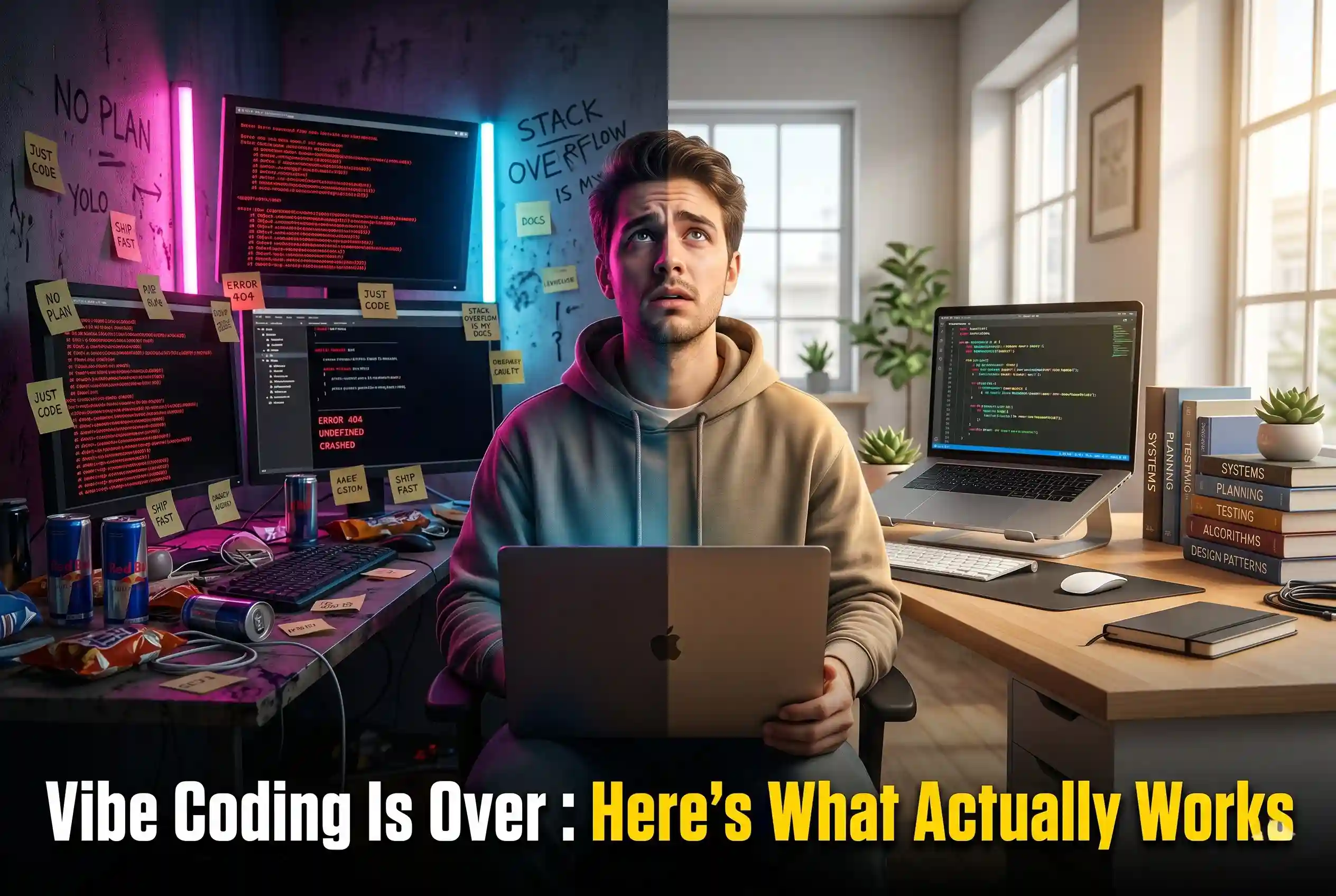
Vibe Coding Is Over : Here’s What Actually Works Vibe coding had its moment. For a while, it felt like…
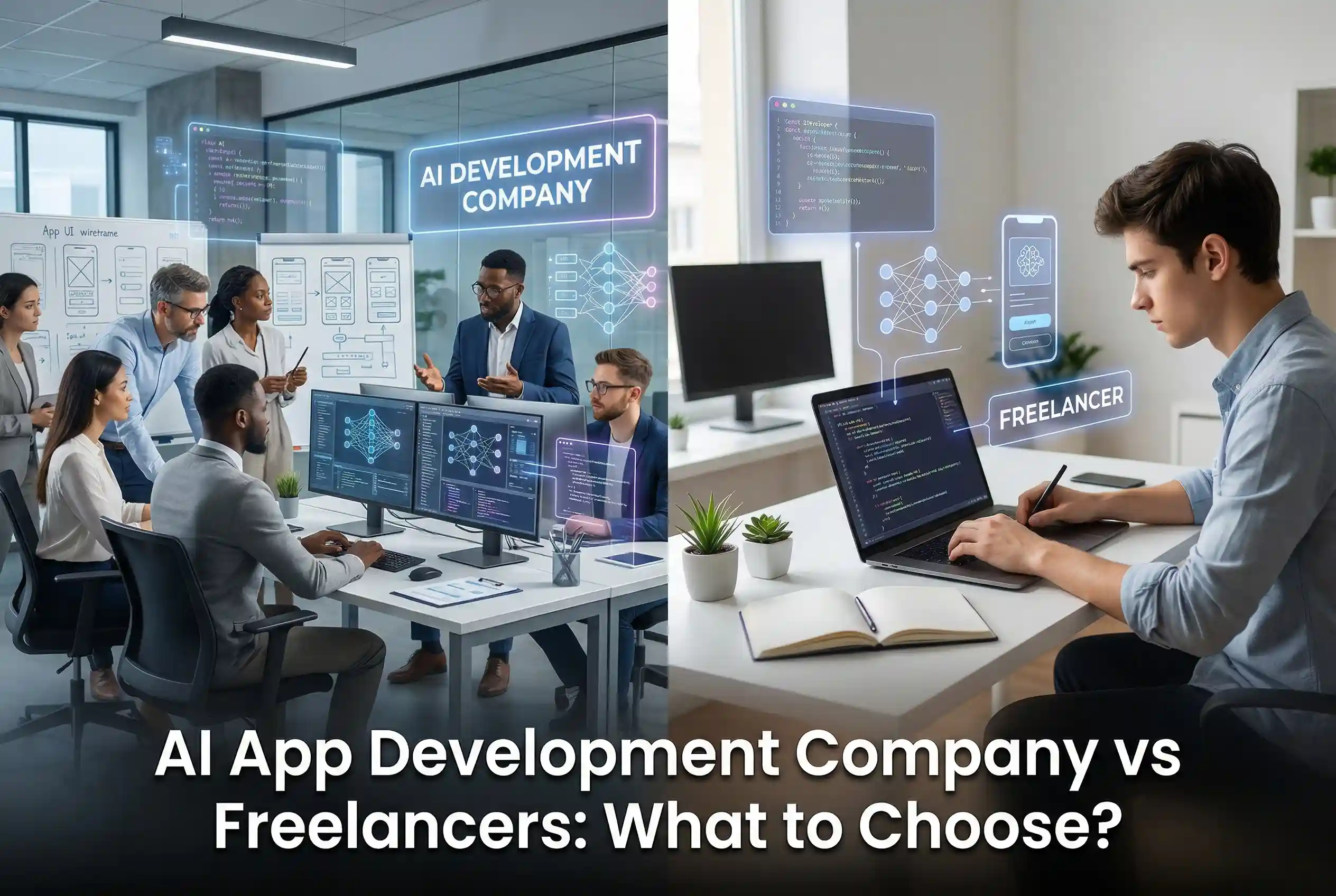
AI App Development Company vs Freelancers: What to Choose? Hiring an AI app development company gives you a full team,…
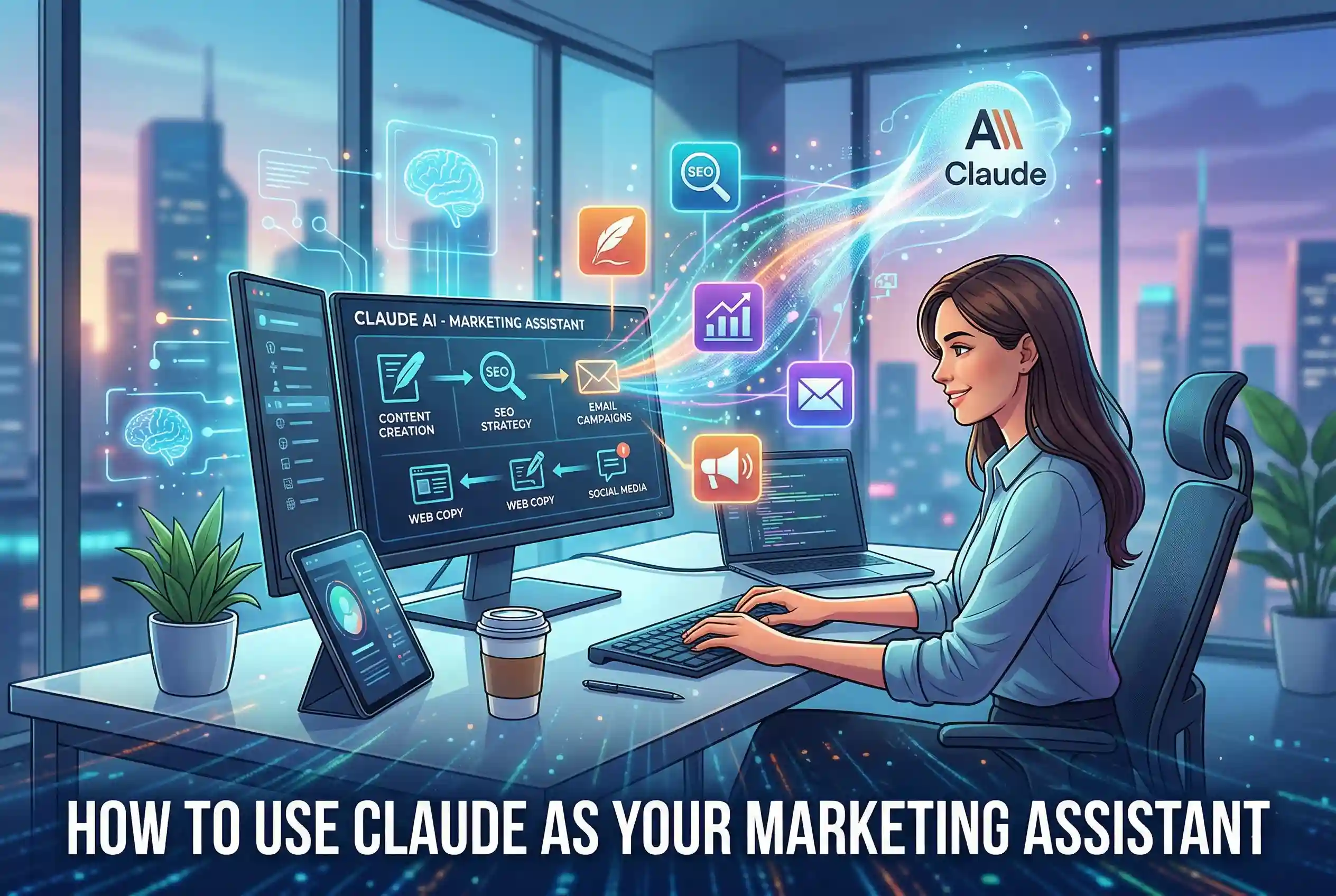
How to Use Claude as Your Marketing Assistant Claude is a free AI assistant built by Anthropic that helps businesses…
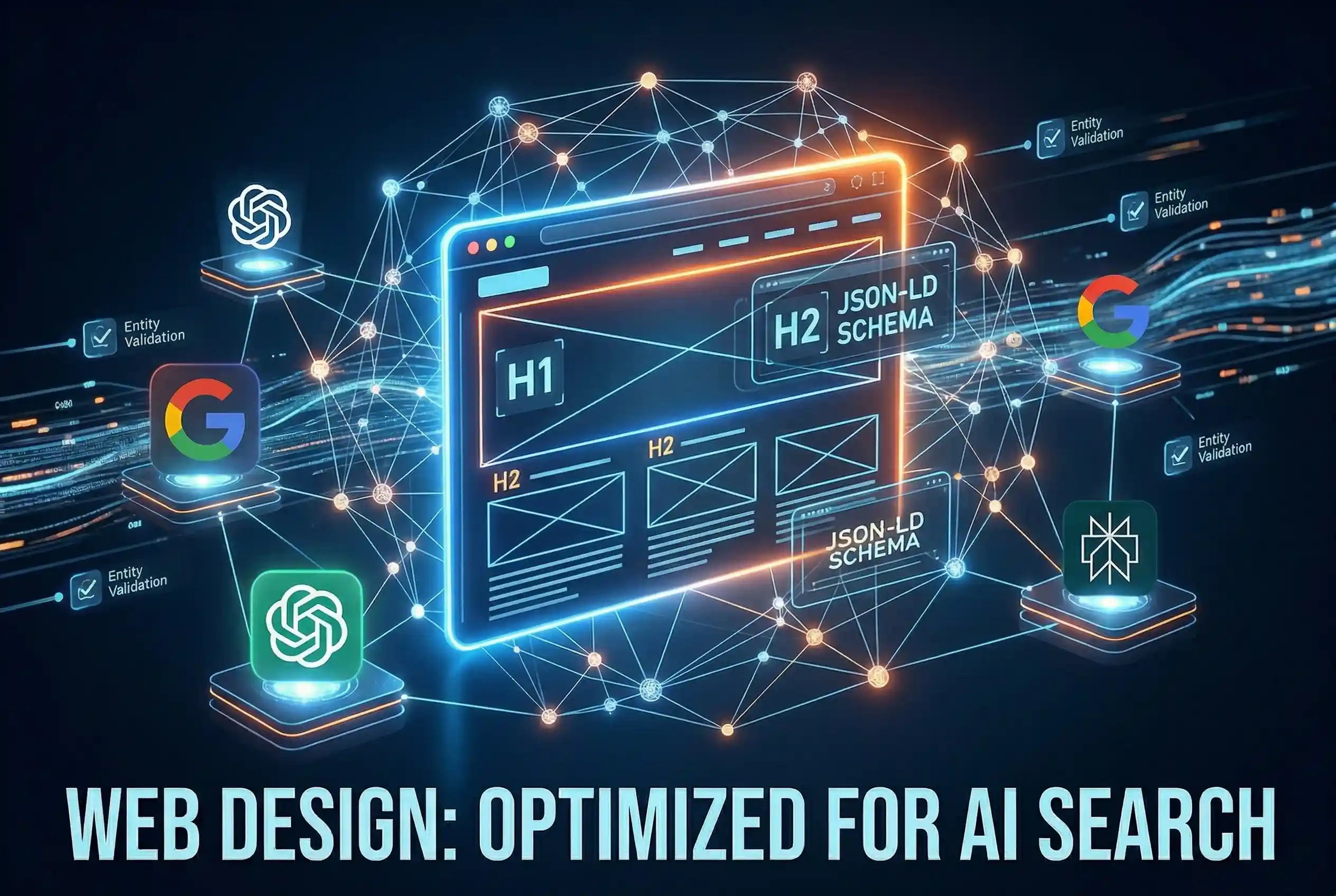
Web Design: Optimized for AI Search Web Design in 2026 is no longer just about visuals like colors and layouts;…
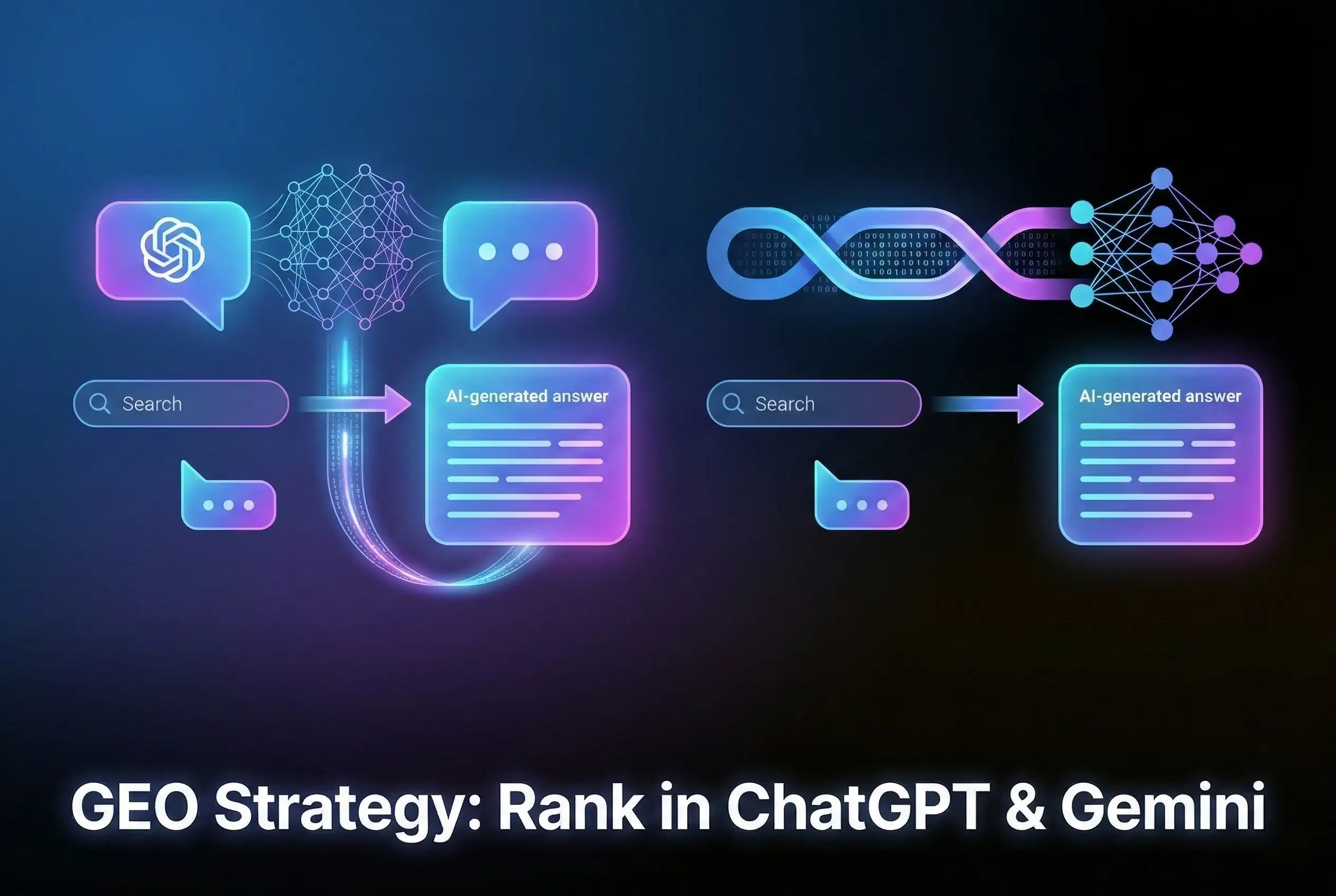
GEO Strategy: Rank in ChatGPT & Gemini Generative Engine Optimization (GEO) is the essential strategy of optimizing your brand to…
Human + AI Content Strategy: The Winning Formula There is a conversation happening in almost every marketing team right now…
Why Having a Human Partner is Better Than an AI in Website Development If you’ve seen those ads promising a…