
Zero-Click Searches Are Rising – Here’s How to Win Anyway
Zero-Click Searches Are Rising – Here’s How to Win Anyway Zero-click searches are fundamentally changing how we use the internet.…

AI in digital marketing is no longer a future trend — it is what separates businesses growing online right now from those quietly losing ground. If your competitors are using AI to run smarter campaigns, write faster content, and rank higher on Google, and you are not, the gap is already widening.
This is not about replacing your team. It is about giving your business the same unfair advantage that thousands of companies are already using — from automating repetitive tasks to showing up in AI-generated answers on ChatGPT, Gemini, and Google AI Overviews.
Table of Contents
Three years ago, AI tools were experimental. Today, they are embedded in how businesses do SEO, run ads, create content, and respond to customers. Companies using AI in digital marketing are producing more content, targeting more precisely, and converting more leads — at a fraction of the cost.
The shift is visible in search. Google’s AI Overviews now answer questions directly at the top of results pages. ChatGPT and Gemini are recommending businesses, services, and products based on how well a website is structured and how authoritatively it covers a topic. If your content is not built for this, you are invisible in the places where buyers are increasingly looking.
Understanding the competitive gap starts with knowing exactly where AI is being applied.
Content creation at scale — Businesses are using AI to research, draft, and optimise blog posts, landing pages, and social content in days rather than months. More content means more keywords covered, more questions answered, and more visibility across search engines.
Smarter keyword and SEO strategy — AI tools analyse search intent, identify keyword clusters, and find content gaps faster than any manual process. Competitors using these tools are targeting the right terms with the right content structure, while others are guessing.
Paid advertising optimisation — AI is being used to write ad copy variations, test audiences, and adjust bids in real time. Campaigns that once required weeks of optimisation are now refined continuously.
Customer engagement and response — AI chatbots and automated email sequences mean competitors are nurturing leads around the clock. A potential customer who visits their site at 11 PM gets an instant, helpful response. A visitor to your site waits until morning.
Reputation and local visibility — AI tools are being used to manage Google Business Profiles, generate review responses, and maintain consistent business information across directories — all signals that Google’s algorithm weighs heavily for local search rankings.
The impact of AI on SEO is direct. Google uses AI to assess content quality, understand search intent, and determine which pages deserve to rank. Websites that are structured clearly, cover topics in depth, and demonstrate expertise are being rewarded. Thin, generic content is being filtered out.
For GEO — Generative Engine Optimisation — the goal is to appear in AI-generated responses on platforms like ChatGPT, Perplexity, and Google AI Overviews. These systems pull from content that is well-structured, factually grounded, and clearly attributed to a credible source. If your website is not optimised for this, you will not be cited, recommended, or mentioned when a potential customer asks an AI tool for a service you offer.
For AEO — Answer Engine Optimisation — the focus is on structuring your content so that AI systems can extract and present your answers directly. This means clear headings, concise definitions, FAQ sections, and schema markup. Businesses that do this consistently are the ones appearing in featured snippets and voice search results.
Every month spent without an AI-integrated marketing strategy is a month your competitors are compounding their advantage. SEO results build over time — the businesses ranking well today started optimising six to twelve months ago. The same is true for GEO and AEO. The content being cited in AI answers today was published and structured months before those tools started surfacing it.
To understand the broader impact of these technologies on the global economy, you can explore the latest AI index reports from Stanford University, which detail how rapidly businesses are integrating these tools.
You do not need to adopt every AI tool at once. A focused starting point will move the needle:
Start with your content. Audit what you have, identify gaps, and begin publishing blogs and service pages that answer the specific questions your customers are searching for. Structure each piece with clear headings, a direct answer in the introduction, and an FAQ section.
Fix your technical foundation. Page speed, mobile performance, schema markup, and internal linking all influence how AI systems read and rank your site. These are not optional extras — they are the baseline.
Optimise for AI answer engines. Rewrite your key pages so the most important answer appears in the first two paragraphs. Add FAQ schema. Make your business information consistent across every platform where it appears.
Track what is working. Use tools like Google Search Console, Google Analytics, and AI visibility trackers to measure how your content is performing across both traditional and generative search.
AI in digital marketing refers to using artificial intelligence tools to automate, optimise, and improve marketing tasks — including content creation, SEO, paid advertising, customer engagement, and data analysis.
Google uses AI to assess content quality and search intent. Websites with well-structured, authoritative, and in-depth content rank higher because AI-driven algorithms reward expertise and clarity over keyword stuffing.
GEO stands for Generative Engine Optimisation. It is the practice of optimising your content to appear in AI-generated responses on tools like ChatGPT, Gemini, and Google AI Overviews — where more and more users are now searching.
AEO stands for Answer Engine Optimisation. While SEO focuses on ranking in traditional search results, AEO focuses on structuring content so AI systems can extract and present your answers directly — in featured snippets, voice results, and AI chat responses.
Some improvements — like appearing in featured snippets or improving page speed — can show results within weeks. Broader SEO and GEO gains typically build over three to six months of consistent, structured effort.
The businesses winning online are not necessarily the biggest or the oldest. They are the ones that moved early, adapted fast, and built their digital presence around how search actually works today. AI in digital marketing is the clearest dividing line between those businesses and the ones still relying on outdated strategies.
If you are ready to close the gap, the right support makes all the difference. Turnihi Tech Solutions works with businesses to build SEO, GEO, and AEO strategies that are built for how AI-driven search works — so your business shows up where your customers are actually looking.
Share Post:

Related Post
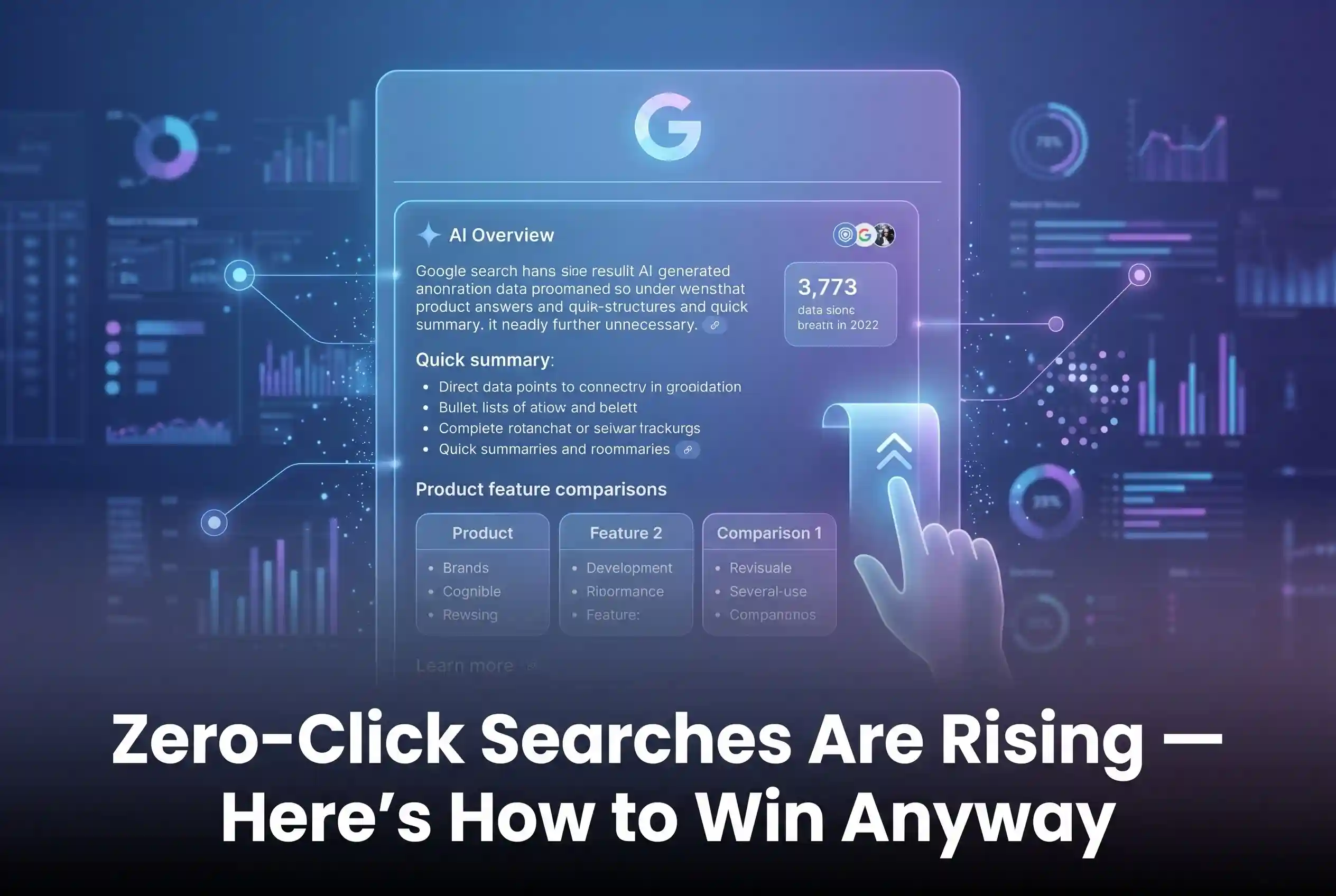
Zero-Click Searches Are Rising – Here’s How to Win Anyway Zero-click searches are fundamentally changing how we use the internet.…

Vibe Coding Is Over : Here’s What Actually Works Vibe coding had its moment. For a while, it felt like…
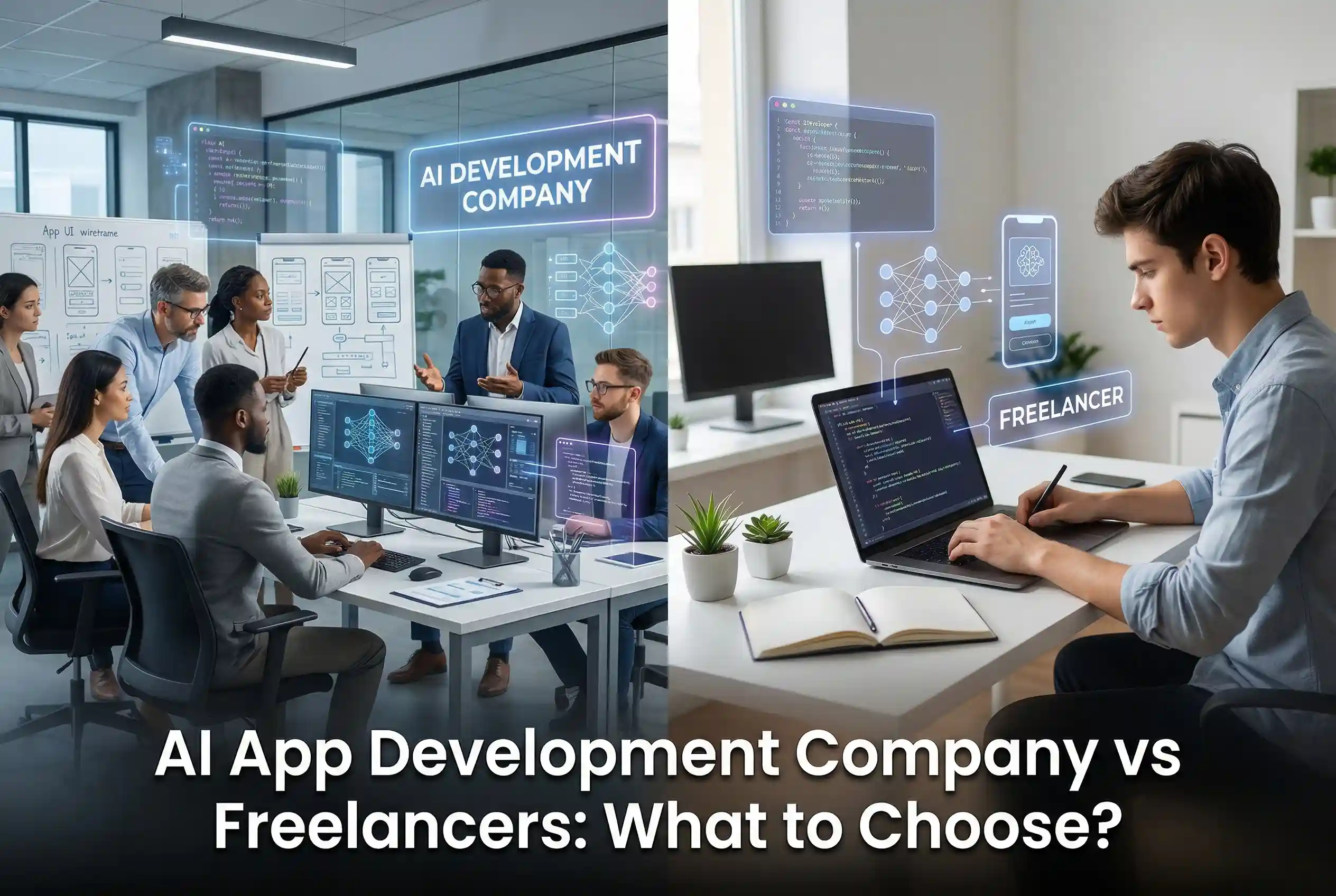
AI App Development Company vs Freelancers: What to Choose? Hiring an AI app development company gives you a full team,…
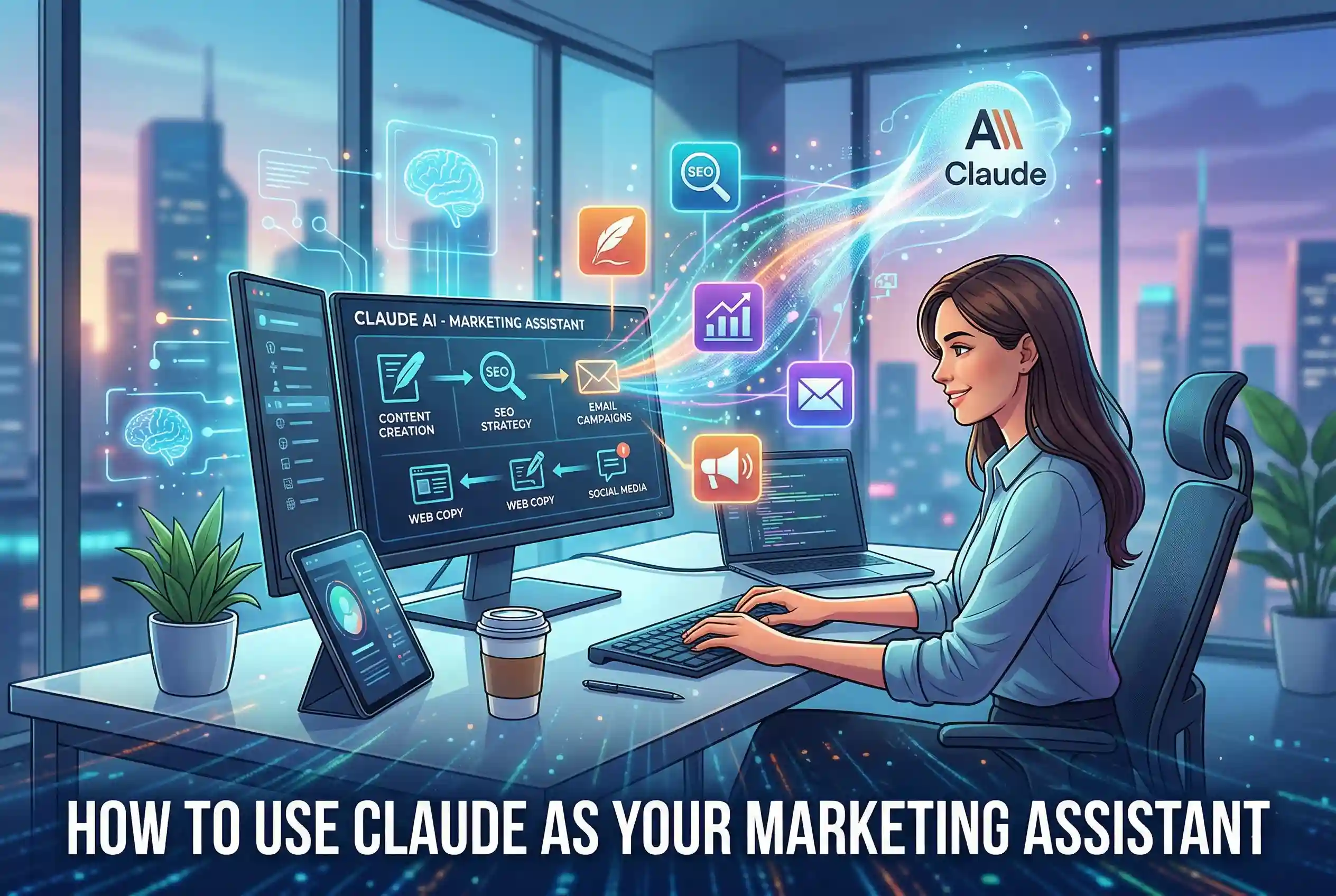
How to Use Claude as Your Marketing Assistant Claude is a free AI assistant built by Anthropic that helps businesses…
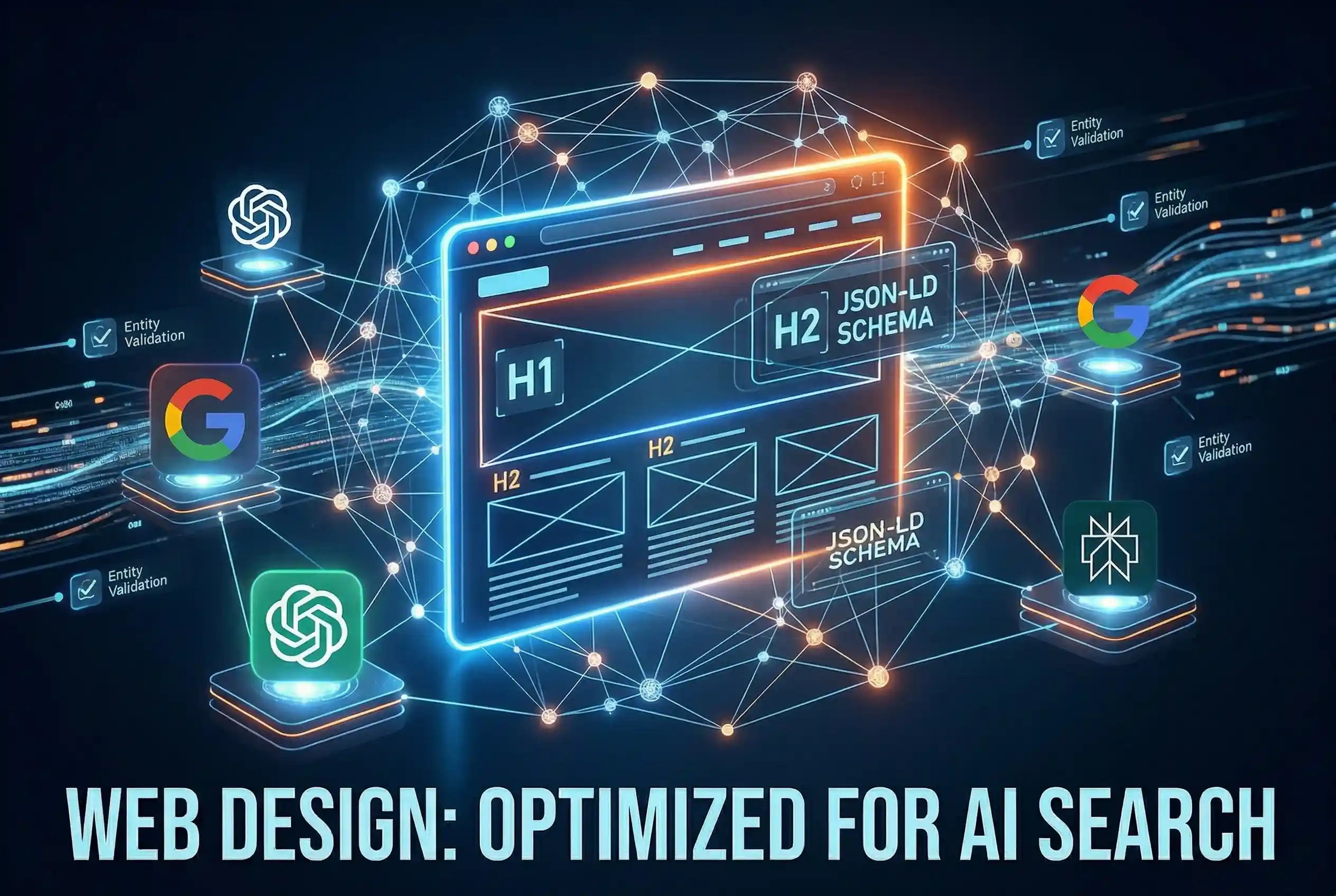
Web Design: Optimized for AI Search Web Design in 2026 is no longer just about visuals like colors and layouts;…
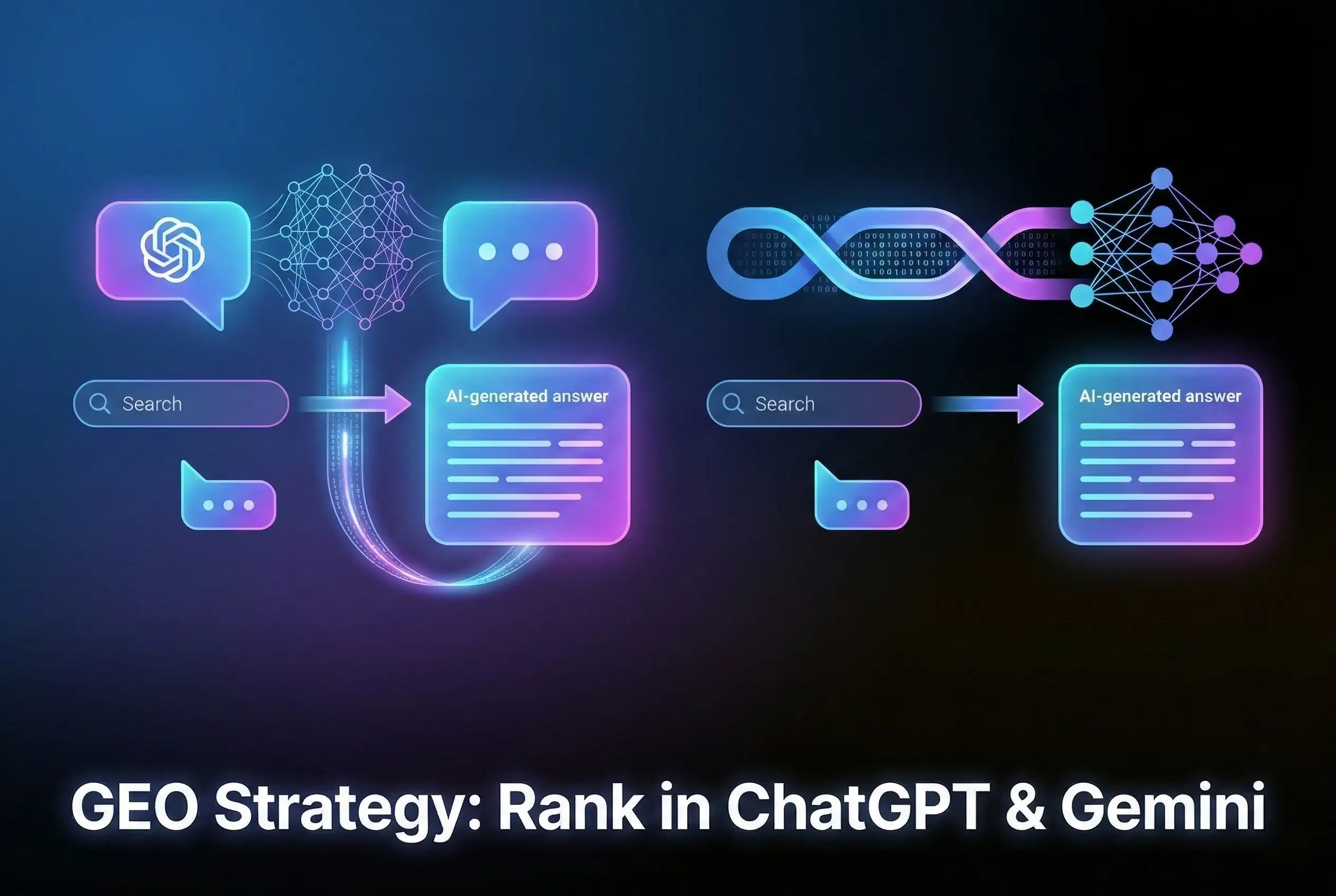
GEO Strategy: Rank in ChatGPT & Gemini Generative Engine Optimization (GEO) is the essential strategy of optimizing your brand to…
Human + AI Content Strategy: The Winning Formula There is a conversation happening in almost every marketing team right now…
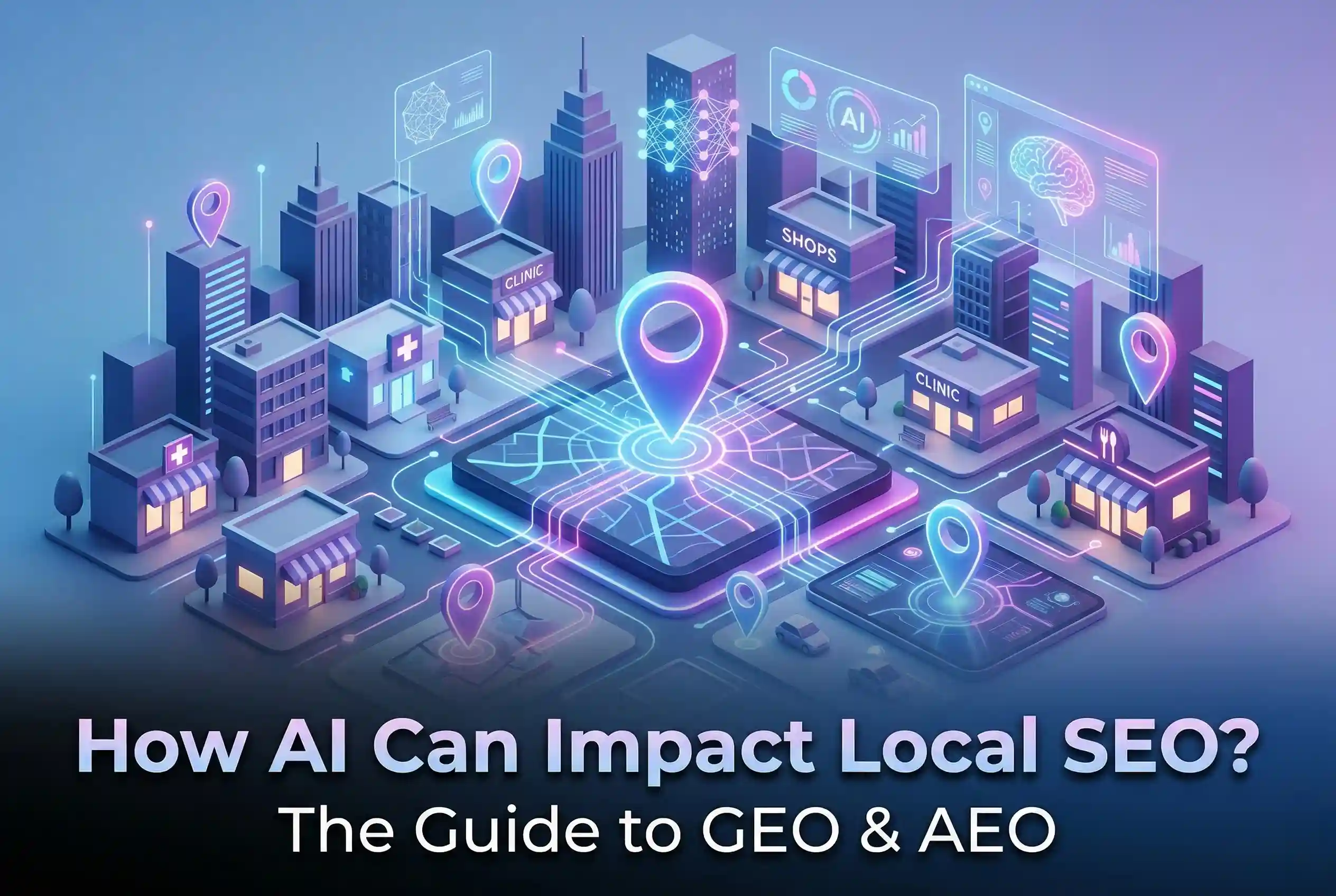

Why Having a Human Partner is Better Than an AI in Website Development If you’ve seen those ads promising a…