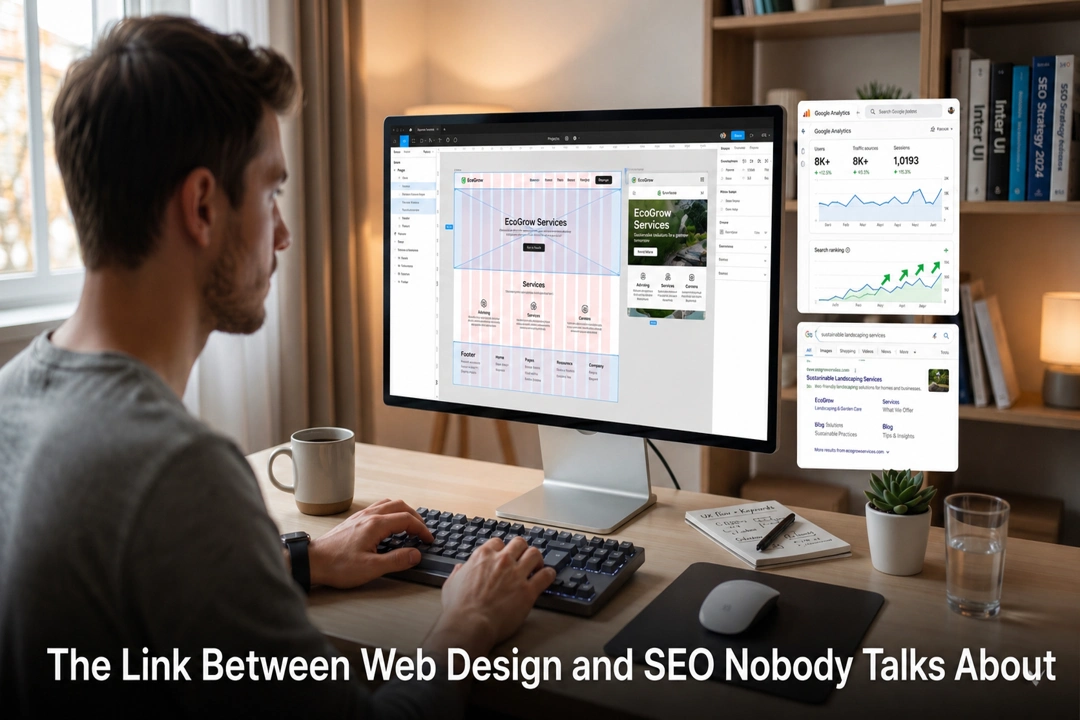
The Link Between Web Design and SEO Nobody Talks About
The Link Between Web Design and SEO Nobody Talks About Web design and SEO are not two separate strategies —…

SEO in 2025 does not begin the moment someone lands on your website. It begins the moment they type a question into Google, ask ChatGPT for a recommendation, or tell Siri to find a service near them. By the time a user reaches your website, several decisions have already been made — and if your brand was not visible in those earlier moments, you may never get the click at all.
This is the shift most businesses have not caught up with yet. And it is costing them.
Table of Contents
For years, SEO meant one thing: optimise your website, build backlinks, rank on Google. That still matters. But it is no longer the whole picture.
Search behaviour has changed. People are not just using Google the way they used to. They are getting answers from AI Overviews, asking conversational questions, using voice search, and trusting platforms like Reddit, YouTube, and LinkedIn as much as they trust search results. If your brand only exists on your own website, you are invisible in most of those touchpoints.
The businesses ranking and getting discovered in 2025 are the ones showing up across all of them.
Two disciplines are reshaping how visibility works online: Generative Engine Optimisation (GEO) and Answer Engine Optimisation (AEO).
GEO is about making sure your brand appears when AI-powered search tools generate responses. Google’s AI Overviews, ChatGPT, Perplexity — these tools pull from sources they find credible, well-structured, and contextually relevant. If your content is not built to be understood by these engines, you will not be part of the answer they generate, no matter how well your website ranks traditionally.
AEO is about positioning your content to directly answer the questions your audience is already asking. This means structuring your pages around specific questions, using clean heading hierarchies, adding schema markup, and writing in a way that gives AI engines something clear to extract and surface.
Both start before your website. They start with how your brand is represented across the internet — in directories, on third-party platforms, in the content you publish, and in how consistently your information appears everywhere it exists.
Google does not just look at your website to decide how trustworthy you are. It looks at everything connected to your brand.
Your Google Business Profile, online reviews, mentions on other websites, social presence, local citations, and even how your business is described on third-party directories — all of these send signals that influence how and where you rank. A weak or inconsistent presence outside your website creates gaps that suppress your visibility, even if your on-site SEO is strong.
This is especially true for local businesses. If your business name, address, and phone number are inconsistent across listings, local rankings take a hit. If your Google Business Profile is incomplete, you lose ground to competitors who have filled theirs out properly. None of that is fixed by tweaking your website.
If your current SEO strategy is limited to on-page optimisation and occasional backlink building, it is time to expand the scope.
A modern SEO strategy needs to cover your website and everything around it. That means optimising for AI-driven search through GEO and AEO, maintaining a consistent local presence through properly managed citations and profiles, building content that earns mentions and trust signals across the web, and structuring everything in a way that both humans and AI engines can follow easily.
It is not about doing more for the sake of it. It is about recognising where your audience is actually making decisions — and being present there.
It matters more than ever — it just works differently now. AI-driven search pulls from sources it finds credible and well-structured. If your SEO is solid, you are more likely to be one of those sources, not less.
GEO focuses on getting your brand included in AI-generated search responses. AEO focuses on structuring your content so it directly answers specific questions users are asking. Both work together to improve visibility beyond traditional search rankings.
This is increasingly common. Users may be getting answers from AI Overviews or other sources before they ever reach your site. Strong on-site SEO is not enough if your brand is absent from the wider search ecosystem.
Start by auditing how your content is structured — clear headings, FAQ sections, schema markup, and concise answers to real questions your audience asks. Then look at your off-site presence: directories, reviews, and third-party mentions all feed into how AI engines perceive your authority.
SEO has always been about visibility. What has changed is where that visibility needs to exist. Your website is still important, but it is now one part of a much larger picture that includes AI search, local discovery, third-party platforms, and off-site trust signals.
The businesses that understand this early will build a compounding advantage over the ones still treating SEO as a purely on-site task. If you are not sure where your visibility gaps are, that is usually the right place to start.
At Turnihi Tech Solutions, we look at SEO the way it works today — across your website, your local presence, your content, and the AI-driven search landscape. If your current strategy is not keeping up, we can help you build one that does.
Share Post:

Related Post
The Link Between Web Design and SEO Nobody Talks About Web design and SEO are not two separate strategies —…
Your Competitors Are Using AI In Digital Marketing. Are You Falling Behind? AI in digital marketing is no longer a…
Zero-Click Searches Are Rising – Here’s How to Win Anyway Zero-click searches are fundamentally changing how we use the internet.…
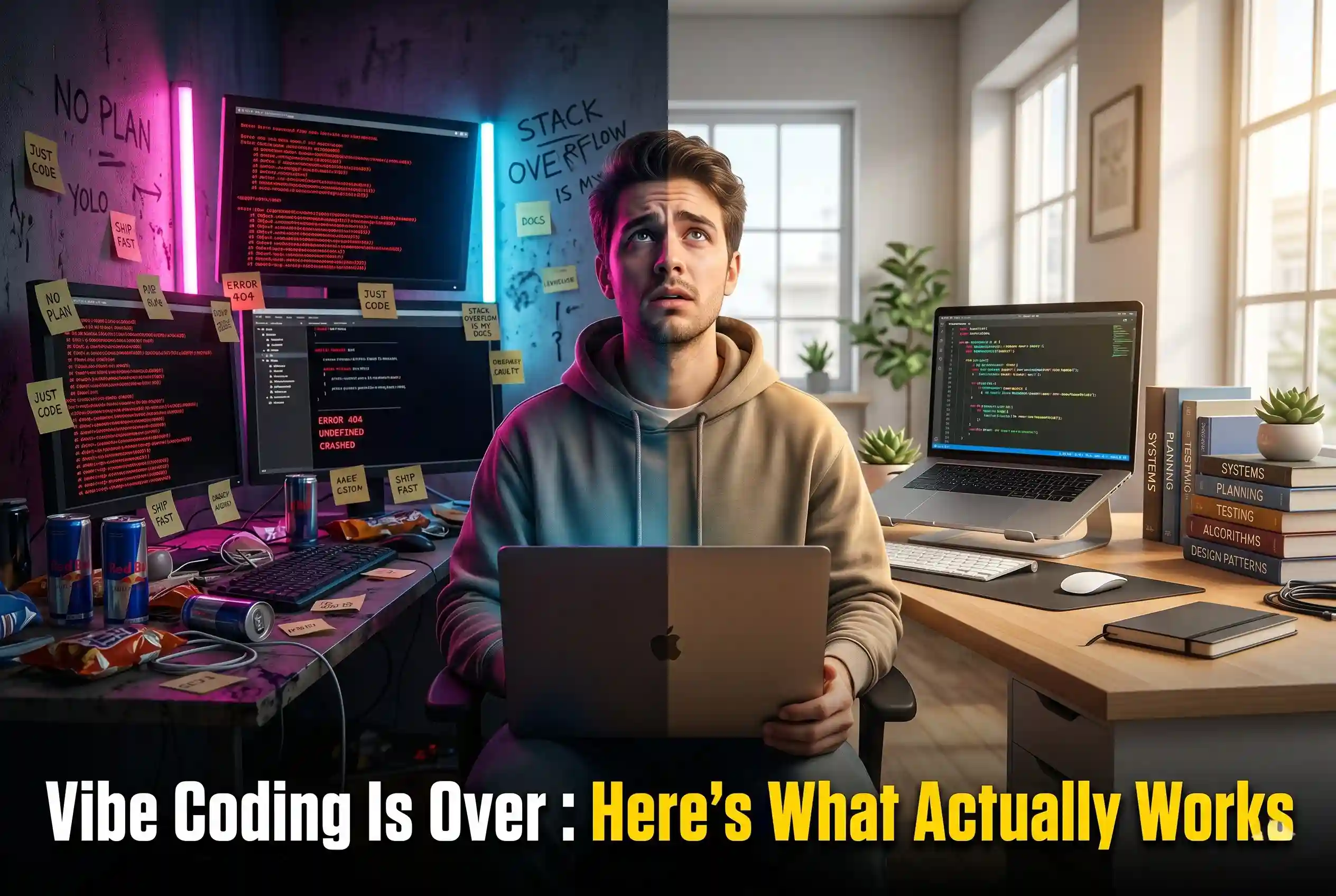
Vibe Coding Is Over : Here’s What Actually Works Vibe coding had its moment. For a while, it felt like…
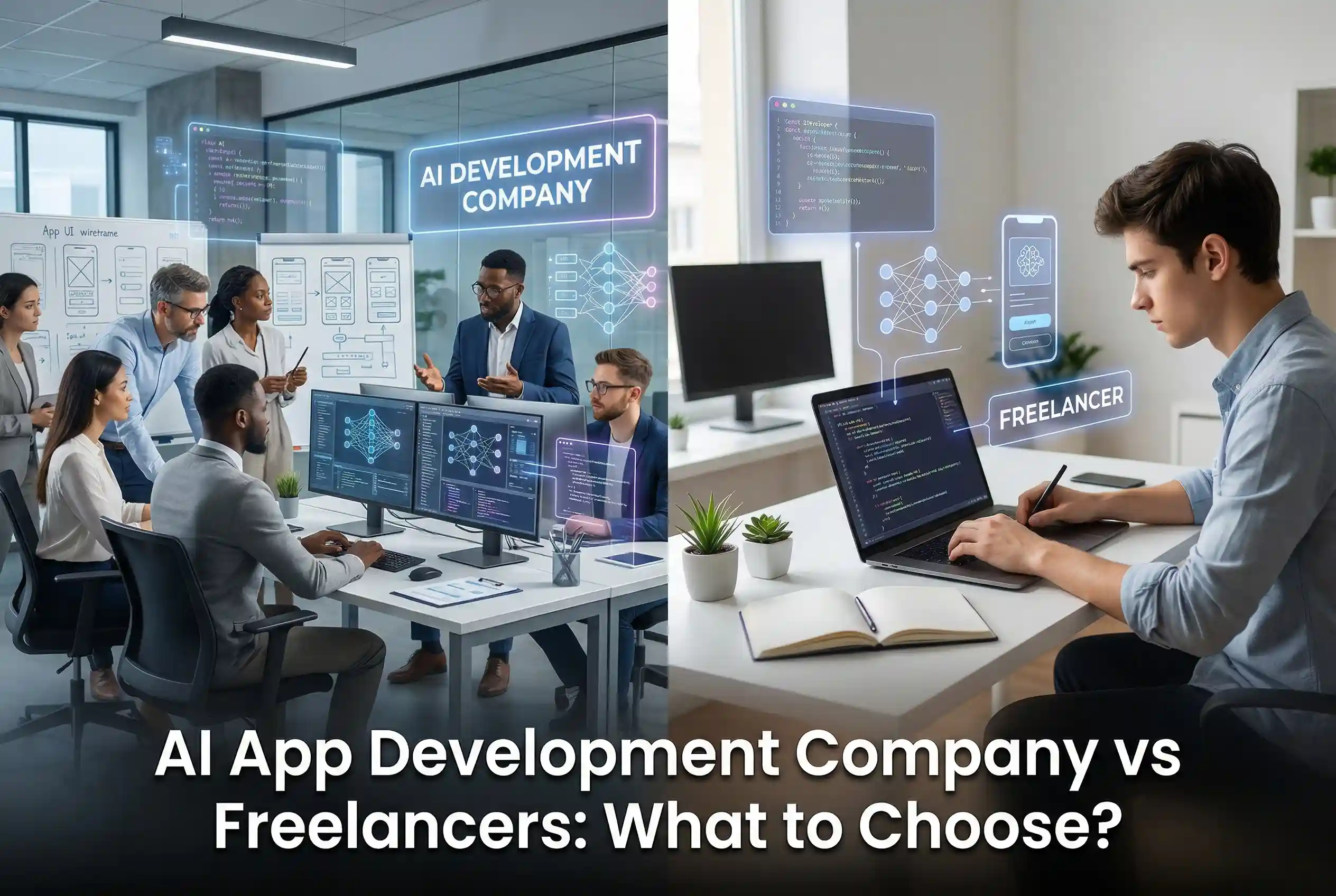
AI App Development Company vs Freelancers: What to Choose? Hiring an AI app development company gives you a full team,…
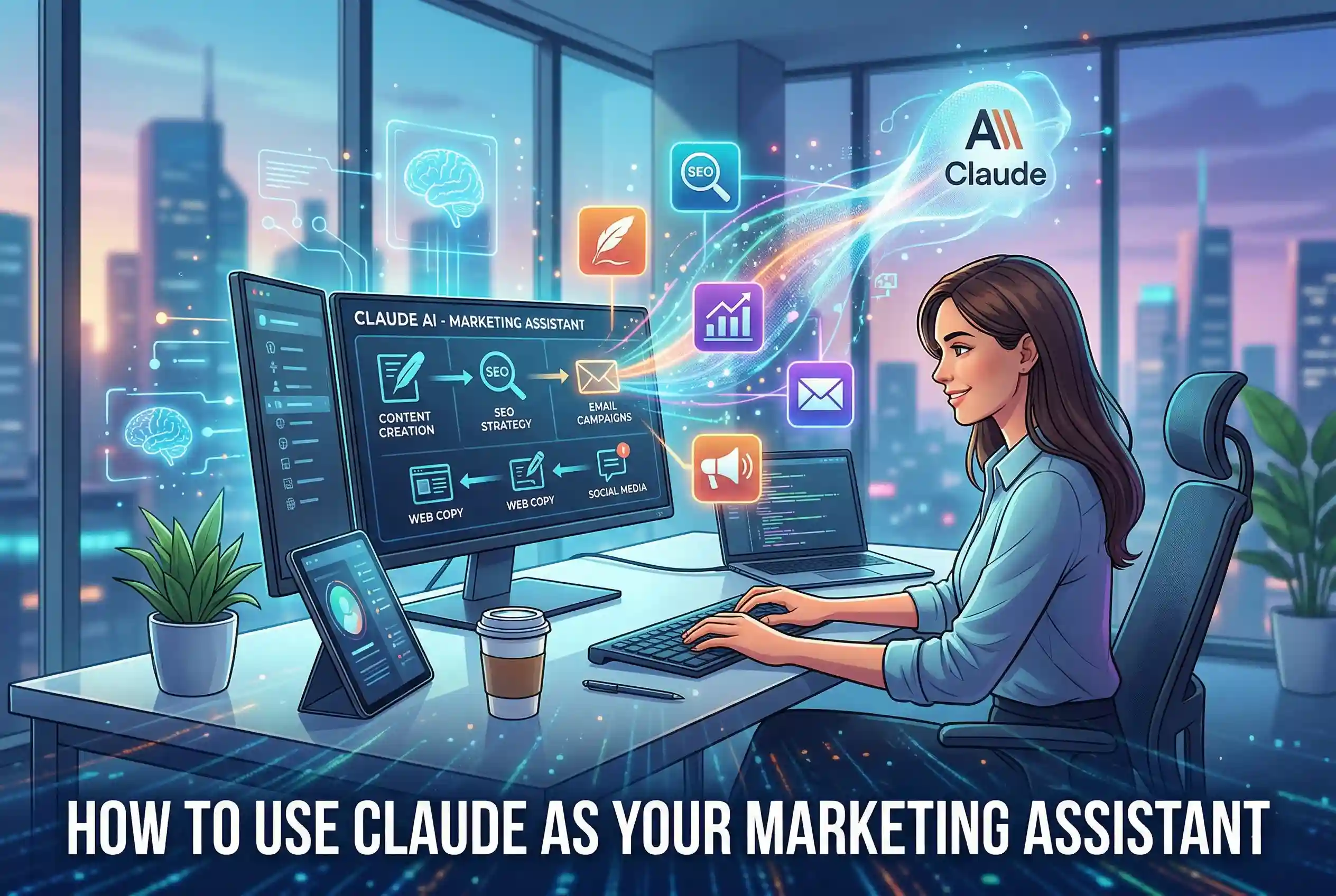
How to Use Claude as Your Marketing Assistant Claude is a free AI assistant built by Anthropic that helps businesses…
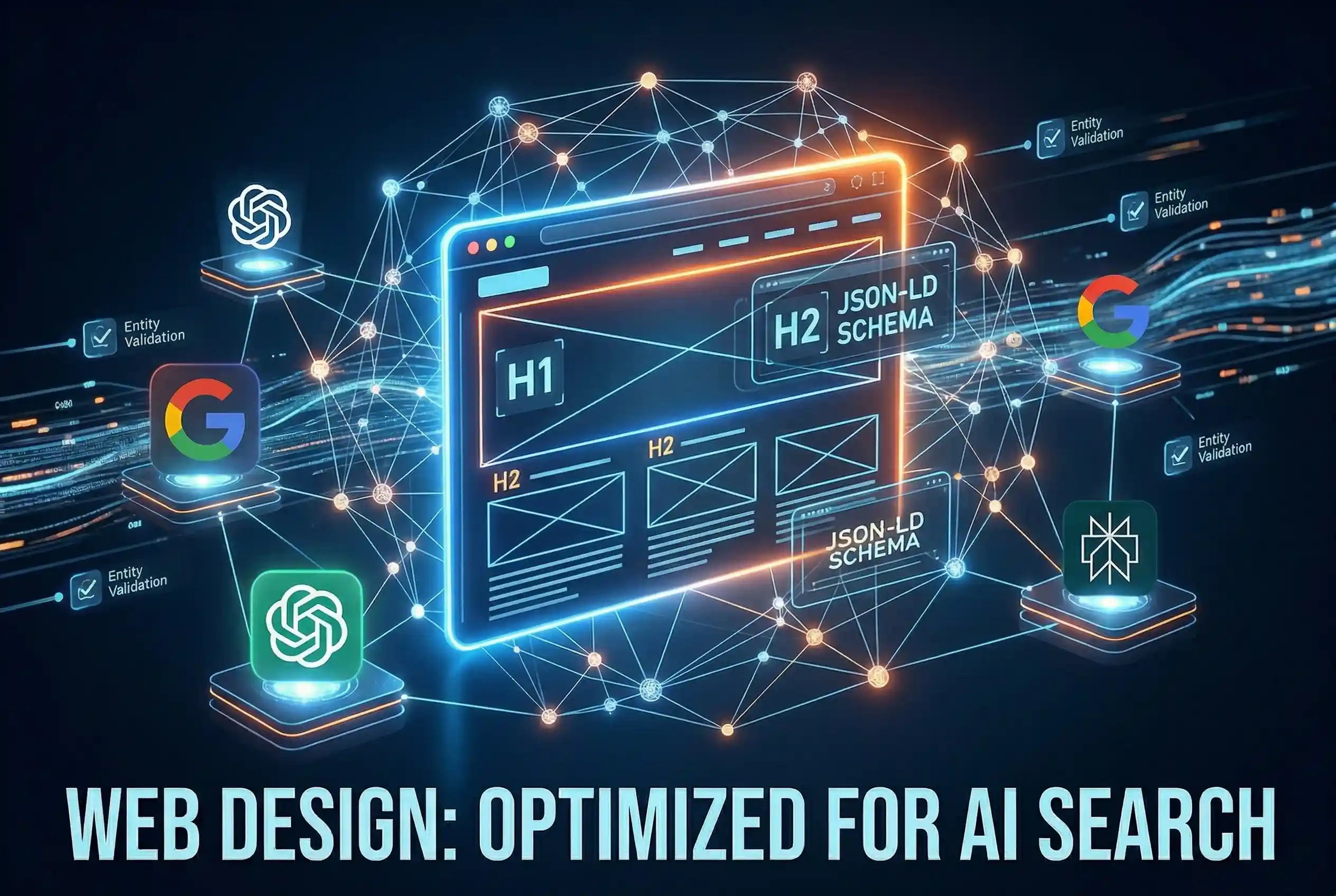
Web Design: Optimized for AI Search Web Design in 2026 is no longer just about visuals like colors and layouts;…
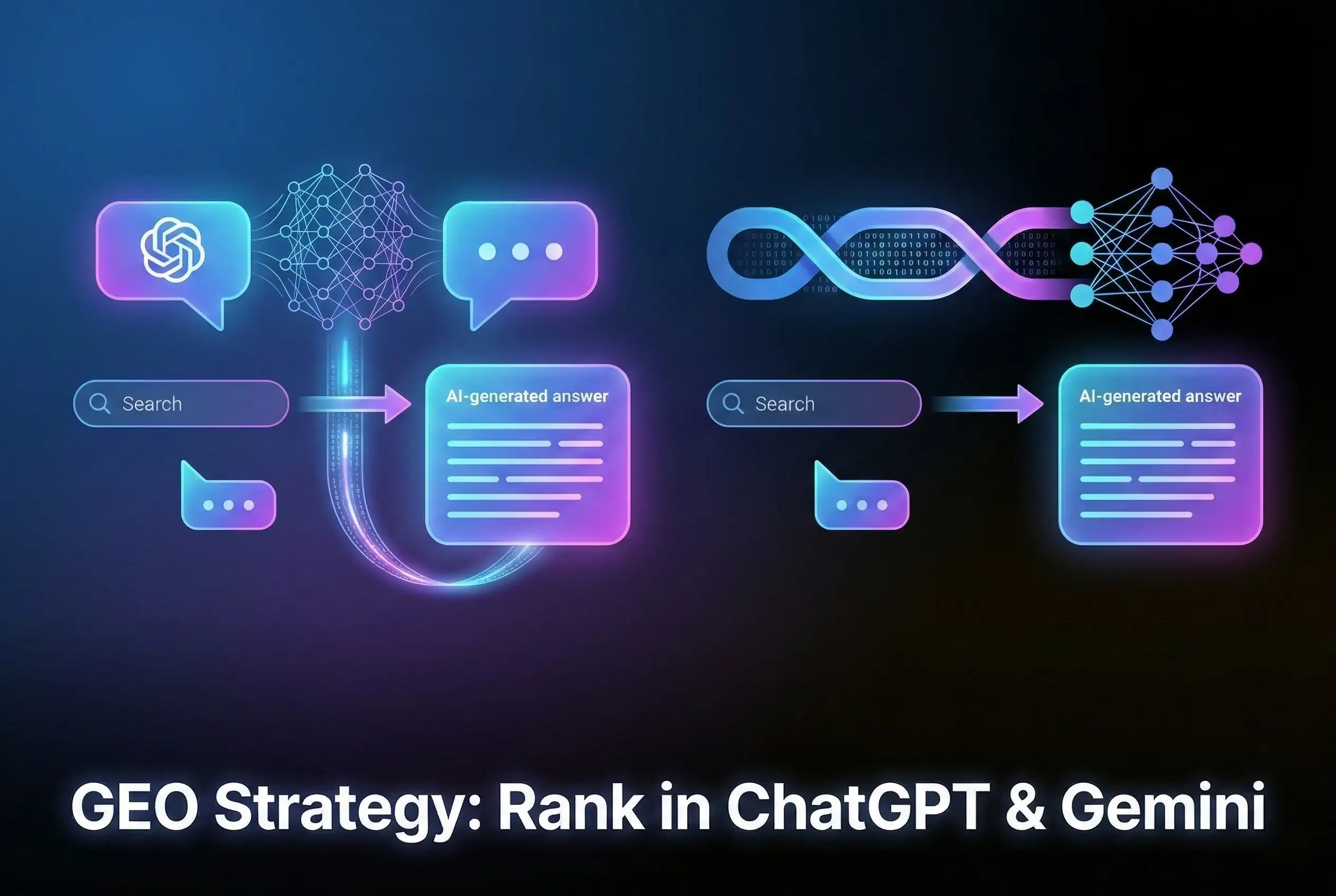
GEO Strategy: Rank in ChatGPT & Gemini Generative Engine Optimization (GEO) is the essential strategy of optimizing your brand to…
Human + AI Content Strategy: The Winning Formula There is a conversation happening in almost every marketing team right now…
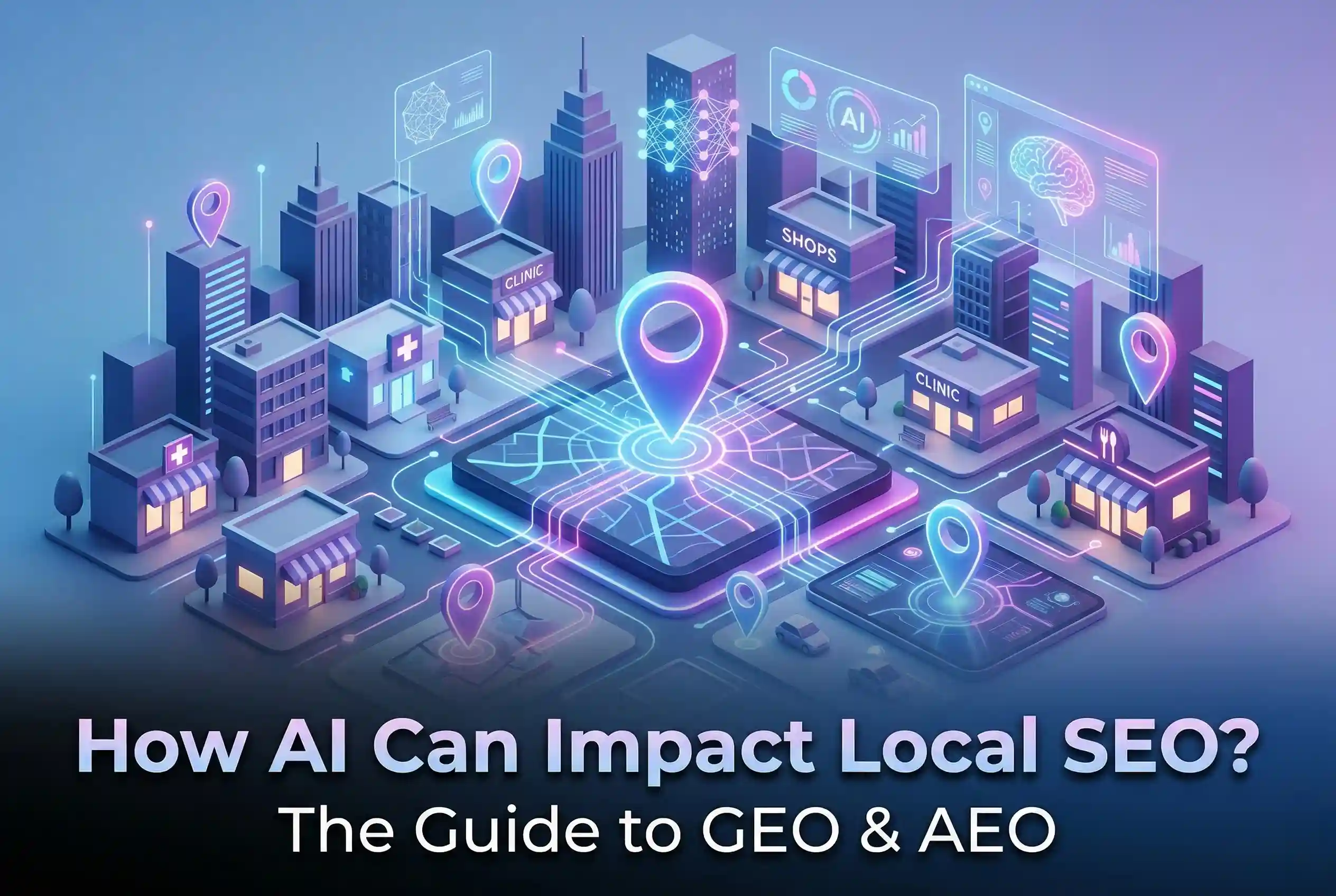
Why Having a Human Partner is Better Than an AI in Website Development If you’ve seen those ads promising a…