
What Is Local SEO and How It Helps Nearby Customers Find You
What Is Local SEO and How It Helps Nearby Customers Find You Local SEO is how nearby customers find your…

Generative Engine Optimization (GEO) is the essential strategy of optimizing your brand to be cited and recommended by AI engines like ChatGPT, Gemini, and Perplexity. With over 40% of searches in 2026 now processed through AI chatbots, businesses that don’t appear in these generative answers are missing a massive portion of their market.
Google is no longer the only destination. Customers are now asking ChatGPT for the “best web design company” instead of scrolling through blue links. GEO doesn’t replace your SEO—it ensures your authority extends into the generative search tools your customers use every day
Table of Contents
While traditional SEO has become a saturated, multi-year battle for the first page of Google, GEO offers a fresh landscape where brand authority is still being established. For businesses, the ‘traffic quality’ argument is the most compelling reason to pivot: AI-referred traffic converts at 14.2%—nearly five times the 2.8% rate of traditional organic search.
Visitors arriving via AI citations stay longer and visit more pages because they arrive with a higher level of trust. By investing in GEO today, you aren’t just chasing clicks; you are building a defensive position in AI search that will be incredibly difficult for late-coming competitors to displace in the years to come.
Understanding this is the foundation of everything else. ChatGPT and Gemini primarily draw on training data — content that was available and recognised as authoritative before their training occurred. Tools like Perplexity and Google AI Overviews actively retrieve web pages at query time, searching for relevant and authoritative content to synthesise a response.
What this means practically is that your GEO strategy needs to work on two levels. For tools like Perplexity and AI Overviews, traditional SEO fundamentals still apply—being indexed, relevant, and authoritative. For ChatGPT and Gemini, you need your brand to exist credibly across the web in ways that AI training picks up. This shift is critical as Gartner predicts a 25% drop in traditional search volume by the end of 2026, forcing a move toward these “substitute answer engines.
ChatGPT drives deep, research-oriented engagement with long-form queries, while Gemini — integrated into Google Search, Android, and Workspace — captures broad visibility through AI Overviews. They serve slightly different user behaviours, and a smart GEO strategy accounts for both rather than optimising for one and ignoring the other.
AI tools are answering questions, not matching keywords. Every piece of content you publish should open with a direct, clear answer to a specific question — not three paragraphs of background. GEO-optimised content should be organised into focused sections of 50 to 150 words, designed as knowledge snippets that AI can extract and cite directly. Short enough to fit inside an AI-generated answer. Specific enough to be genuinely useful.
A single well-written article is not enough for GEO. AI systems judge brand authority by how consistently you appear across multiple trusted sources. This means complete listings on industry-relevant directories and review platforms. It means your Google Business Profile is fully updated. It means your brand name, address, phone number, and service descriptions are identical everywhere. Any inconsistency creates doubt for AI systems — and doubt means you do not get cited.
Guest posts on industry publications, podcast appearances, press mentions, client case studies published on external sites — these are the signals that tell AI tools your brand is a verified, trustworthy entity worth recommending. Publishing original research is particularly powerful — earning citations in credible publications directly improves citation probability in AI-generated responses.
For Gemini specifically, tying into Google’s Knowledge Graph through schema markup is one of the most direct ways to improve citation frequency. LocalBusiness, FAQPage, Article, and Author schema tell AI systems exactly who you are and what you do — in a language machines read perfectly.
Monitor your brand visibility across ChatGPT, Gemini, Perplexity, and AI Overviews consistently. Track both linked and unlinked brand mentions, see which content is being cited, and compare your presence against competitors. GEO is not a set-it-and-forget-it strategy. The rankings shift faster than traditional SEO, and staying visible requires regular attention.
SEO wins you a rank in a list; GEO wins you a citation in an answer. While SEO focuses on clicks to your website, GEO focuses on making your brand the trusted source that the AI recommends directly to the user.
Focus on authority and age. ChatGPT favors brands with consistent expert-level content and strong third-party mentions published well before its latest training cutoff.
Yes, they are deeply connected. AI tools pull from the same trusted local sources (like Google Business Profiles) that Local SEO relies on. Strengthening your local signals automatically improves your GEO authority.
Expect 3 to 6 months for deep AI training (ChatGPT) and 2 to 4 weeks for retrieval engines (Perplexity). Like domain authority, GEO authority compounds the longer you stay consistent.
Direct, factual, and structured content. AI favors how-to guides, original research, and clear FAQ sections over vague, promotional, or keyword-stuffed blog posts.
The shift to AI-powered search is not coming. It is already here. Traditional search volume has dropped as AI tools absorb the queries that used to drive organic traffic. Businesses that are only optimising for Google’s blue links are working with a smaller and smaller slice of where their customers are actually searching.
GEO is not complicated in concept — be authoritative, be consistent, be structured, be specific. But it does require showing up across the web in ways that AI systems recognise and trust. The businesses building that presence now, while most competitors have not started, are the ones that will own AI search in their industry for years to come.
At Turnihi Tech Solutions, we help businesses build GEO strategies that work alongside their existing SEO — so whether your next customer finds you on Google, asks ChatGPT, or gets a recommendation from Gemini, your business is always part of the answer.
Share Post:

Related Post
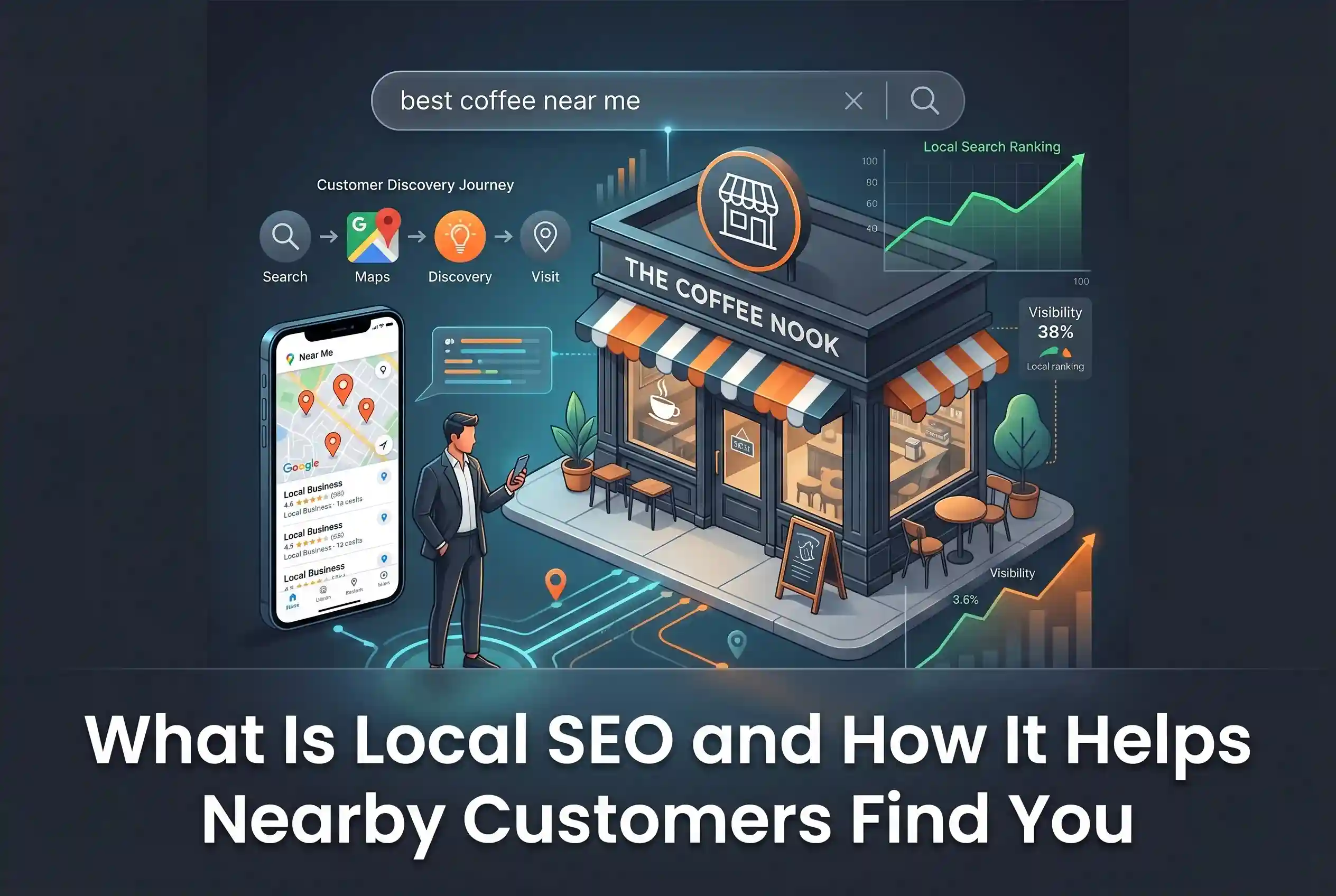
What Is Local SEO and How It Helps Nearby Customers Find You Local SEO is how nearby customers find your…
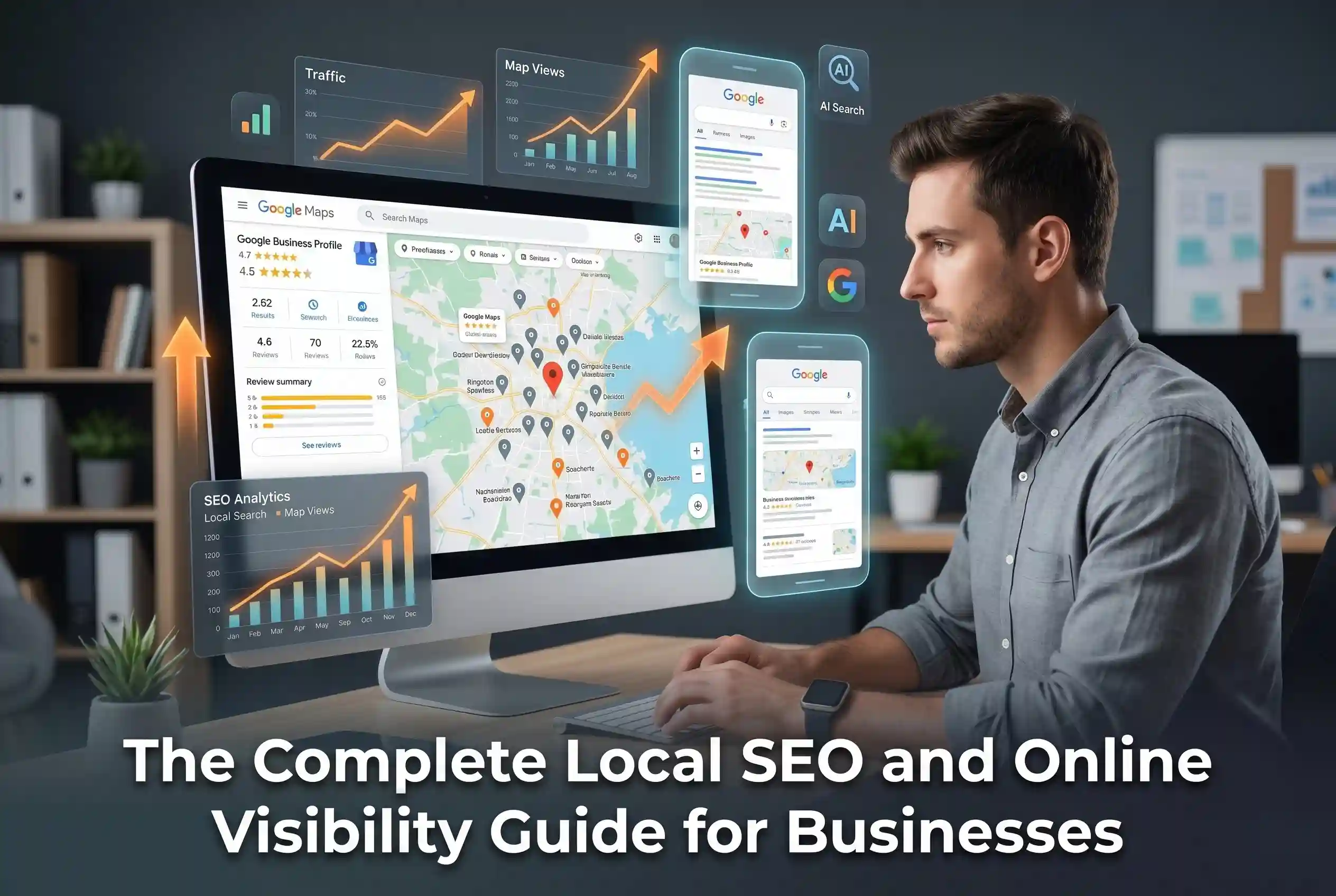
The Complete Local SEO and Online Visibility Guide for Businesses Local SEO is what stands between your business and the…

Why Your Contact Form Is Your Biggest Conversion Problem Contact forms are quietly killing conversions on thousands of business websites…

Case Study: How We Helped motrparts.com Attract More Visitors Who Converted This is an SEO case study for auto parts…
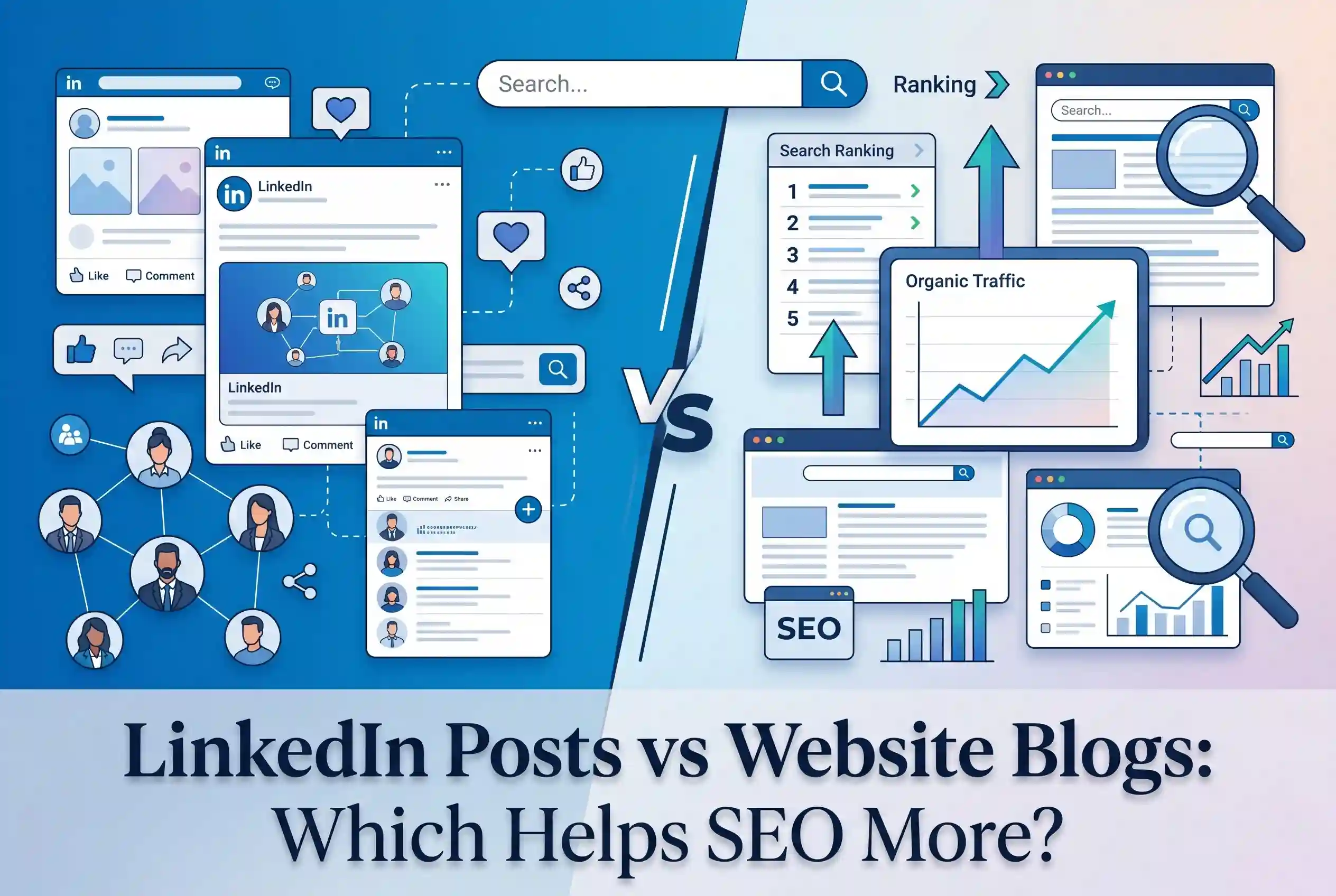
LinkedIn Posts vs Website Blogs: Which Helps SEO More? LinkedIn posts vs website blogs — this is a question more…

Why Your Google Ads Are Burning Budget Without Bringing in Business Google Ads can be one of the most powerful…
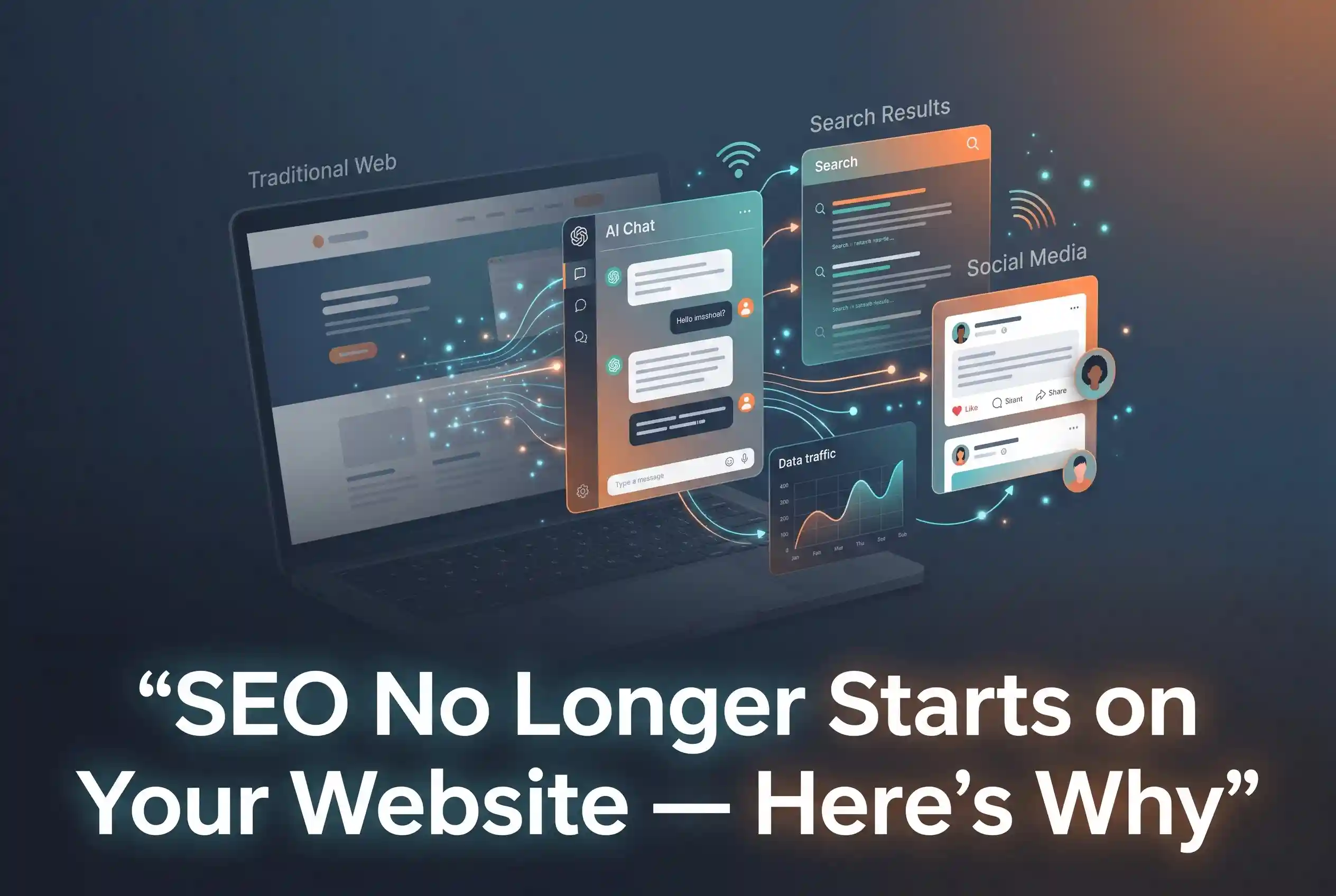
SEO No Longer Starts on Your Website – Here’s Why SEO in 2025 does not begin the moment someone lands…

The Link Between Web Design and SEO Nobody Talks About Web design and SEO are not two separate strategies —…

Your Competitors Are Using AI In Digital Marketing. Are You Falling Behind? AI in digital marketing is no longer a…
Zero-Click Searches Are Rising – Here’s How to Win Anyway Zero-click searches are fundamentally changing how we use the internet.…

Vibe Coding Is Over : Here’s What Actually Works Vibe coding had its moment. For a while, it felt like…

AI App Development Company vs Freelancers: What to Choose? Hiring an AI app development company gives you a full team,…