
Why Your Google Ads Are Burning Budget Without Bringing in Business
Why Your Google Ads Are Burning Budget Without Bringing in Business Google Ads can be one of the most powerful…

LinkedIn posts vs website blogs — this is a question more business owners are asking as content marketing gets more competitive. You’re creating content, putting in the effort, and wondering where it actually moves the needle for search visibility. The honest answer? Both have a role, but they do very different things for your SEO. Here’s what you actually need to know.
Table of Contents
LinkedIn is a discovery engine. When you post consistently, your content reaches professionals who might never have found your website organically. But here’s the part most people miss — LinkedIn posts are indexed by Google. That means a well-written LinkedIn article or newsletter can show up in search results.
That said, LinkedIn content lives on LinkedIn’s domain, not yours. Any authority or trust it builds goes to linkedin.com, not your website. You’re building visibility, not domain strength. Engagement is high, reach is fast, but the SEO equity largely stays with the platform.
LinkedIn posts are also short-lived. The algorithm buries them within 24 to 48 hours. A post that performs brilliantly on Tuesday is invisible by Thursday. There’s no compounding effect the way there is with blog content.
A blog on your own domain is an asset that works for you long after you publish it. Every blog post you write is an opportunity to rank for a specific keyword, answer a specific question, and attract a specific type of visitor who is actively looking for what you offer.
Blog content builds topical authority. When your website covers a subject consistently and in depth, search engines start associating your domain with that topic. This is how smaller websites outrank much larger ones — not by having more pages, but by being more relevant on a specific subject.
Blogs also create internal linking opportunities. One post links to another, which links to a service page, which keeps visitors moving through your site and signals to Google that your content is connected and purposeful.
And unlike a LinkedIn post, a blog published today can still bring in traffic two or three years from now. That’s compounding content value — and it’s one of the strongest returns in digital marketing.
Generative Engine Optimisation (GEO) is about being cited by AI tools like ChatGPT and Gemini. These tools pull from structured, authoritative web content — and that means your website blog, not your LinkedIn feed. If you want your brand to appear in AI-generated answers, your website content needs to be clear, structured, and answer real questions directly.
Answer Engine Optimisation (AEO) follows the same logic. Featured snippets, People Also Ask boxes, and AI overviews all pull from indexed web pages. A LinkedIn post will rarely appear in these placements. A well-structured blog post, written to answer specific questions clearly, has a much stronger chance.
LinkedIn does have a role in GEO indirectly. Strong engagement, shares, and brand mentions across platforms contribute to the broader trust signals that AI models use. But the actual content being cited? That’s coming from your website.
Neither one should run alone. The smarter move is to use LinkedIn to amplify what your website already has. Write a blog post, extract the key insight, and turn it into a LinkedIn post that drives traffic back to the full piece. You get platform reach and website authority working together.
If you had to choose one for long-term SEO results — blog content wins every time. LinkedIn builds your personal brand and drives short-term awareness. Blogs build search visibility, domain authority, and compounding traffic that doesn’t disappear after two days.
LinkedIn posts can be indexed by Google, but they don’t pass authority to your own website. They support brand visibility, not domain SEO.
Website blogs are far better for AEO. AI answer engines and featured snippets pull from indexed web pages, not social media posts.
Absolutely. In fact, this is the recommended approach — publish on your site first, then adapt the key points for LinkedIn to drive traffic back.
Consistency matters more than frequency. One well-optimised blog post per week is more effective than five rushed ones.
Content strategy isn’t about choosing one platform and ignoring the rest — it’s about knowing what each one does well. If you want search visibility, AI citations, and traffic that compounds over time, your website blog needs to do the heavy lifting. LinkedIn is the amplifier, not the foundation.
At Turnihi Tech Solutions, we help businesses build content strategies that work across search, AI tools, and social — so your efforts go further without being spread too thin. If you’re ready to turn your content into consistent organic growth, we’re here to help.
Share Post:

Related Post
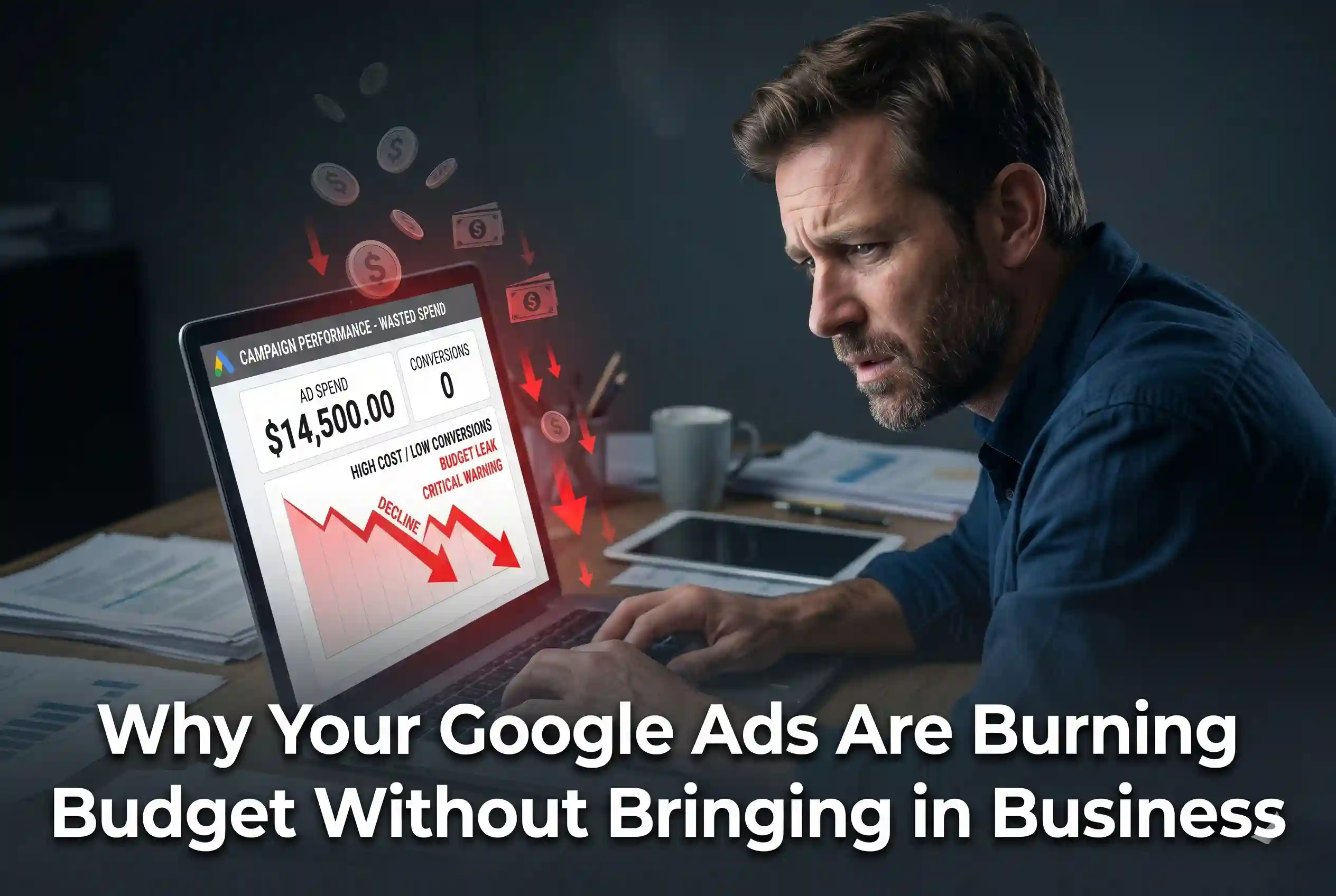
Why Your Google Ads Are Burning Budget Without Bringing in Business Google Ads can be one of the most powerful…
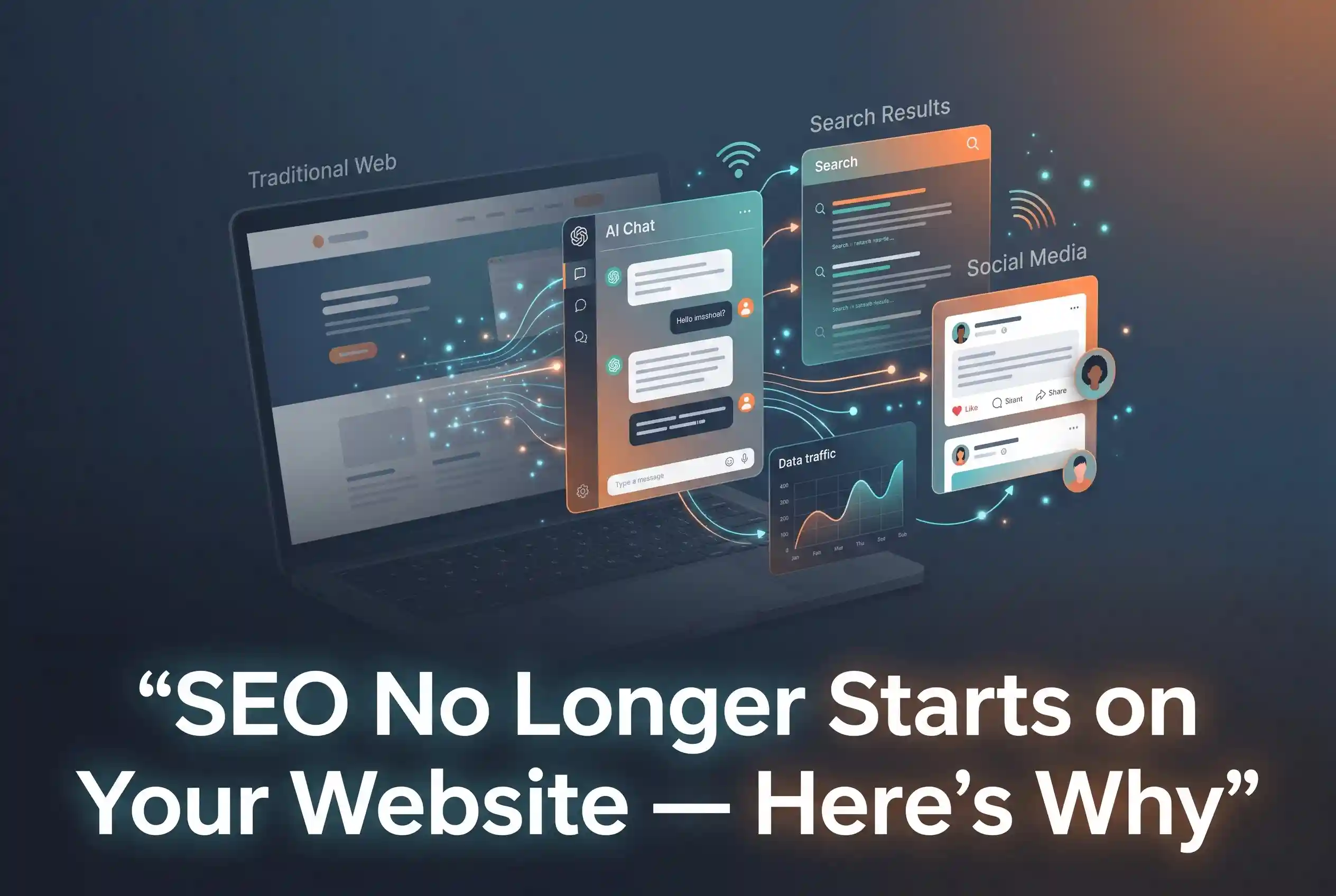
SEO No Longer Starts on Your Website – Here’s Why SEO in 2025 does not begin the moment someone lands…

The Link Between Web Design and SEO Nobody Talks About Web design and SEO are not two separate strategies —…

Your Competitors Are Using AI In Digital Marketing. Are You Falling Behind? AI in digital marketing is no longer a…
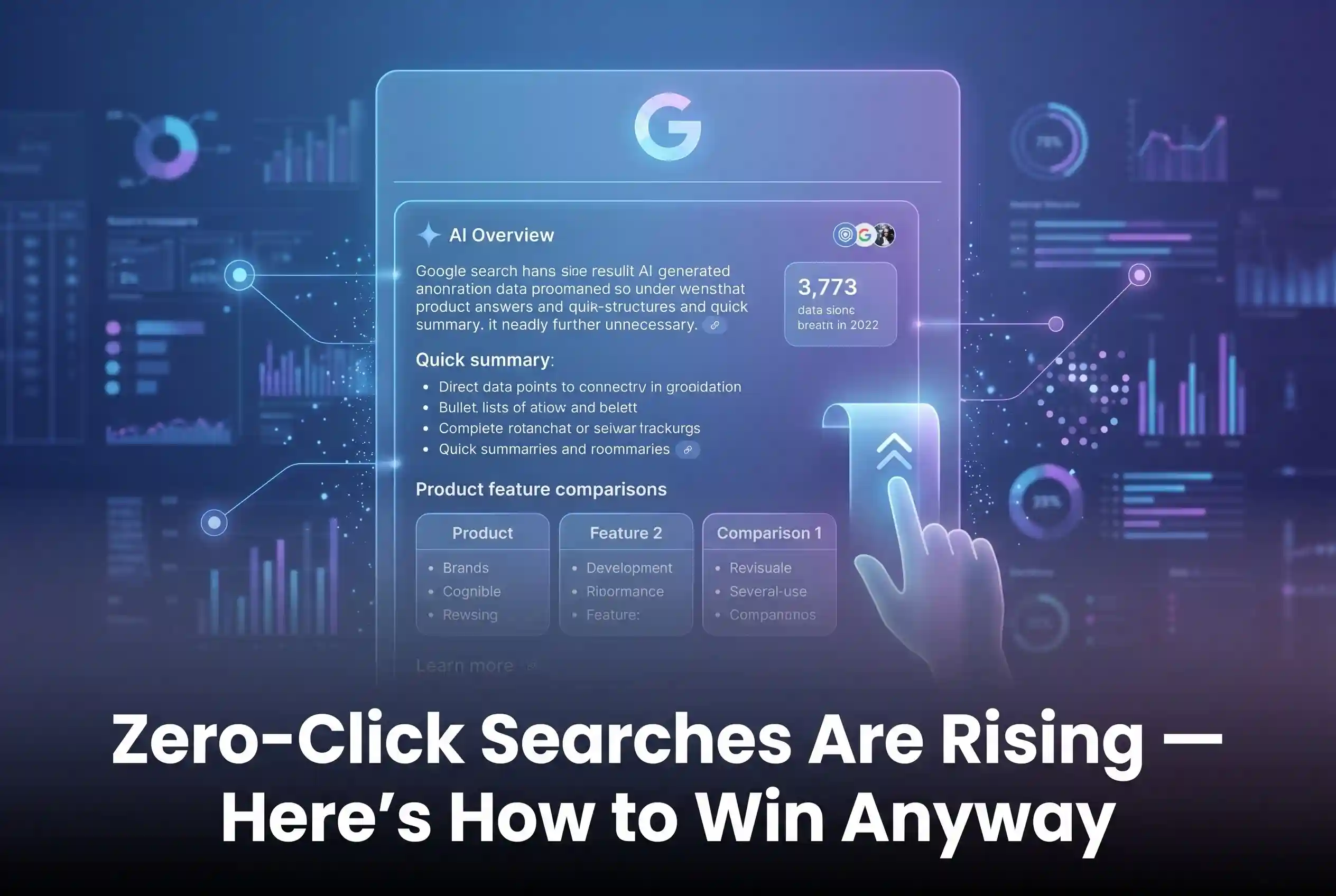
Zero-Click Searches Are Rising – Here’s How to Win Anyway Zero-click searches are fundamentally changing how we use the internet.…

Vibe Coding Is Over : Here’s What Actually Works Vibe coding had its moment. For a while, it felt like…

AI App Development Company vs Freelancers: What to Choose? Hiring an AI app development company gives you a full team,…

How to Use Claude as Your Marketing Assistant Claude is a free AI assistant built by Anthropic that helps businesses…

Web Design: Optimized for AI Search Web Design in 2026 is no longer just about visuals like colors and layouts;…
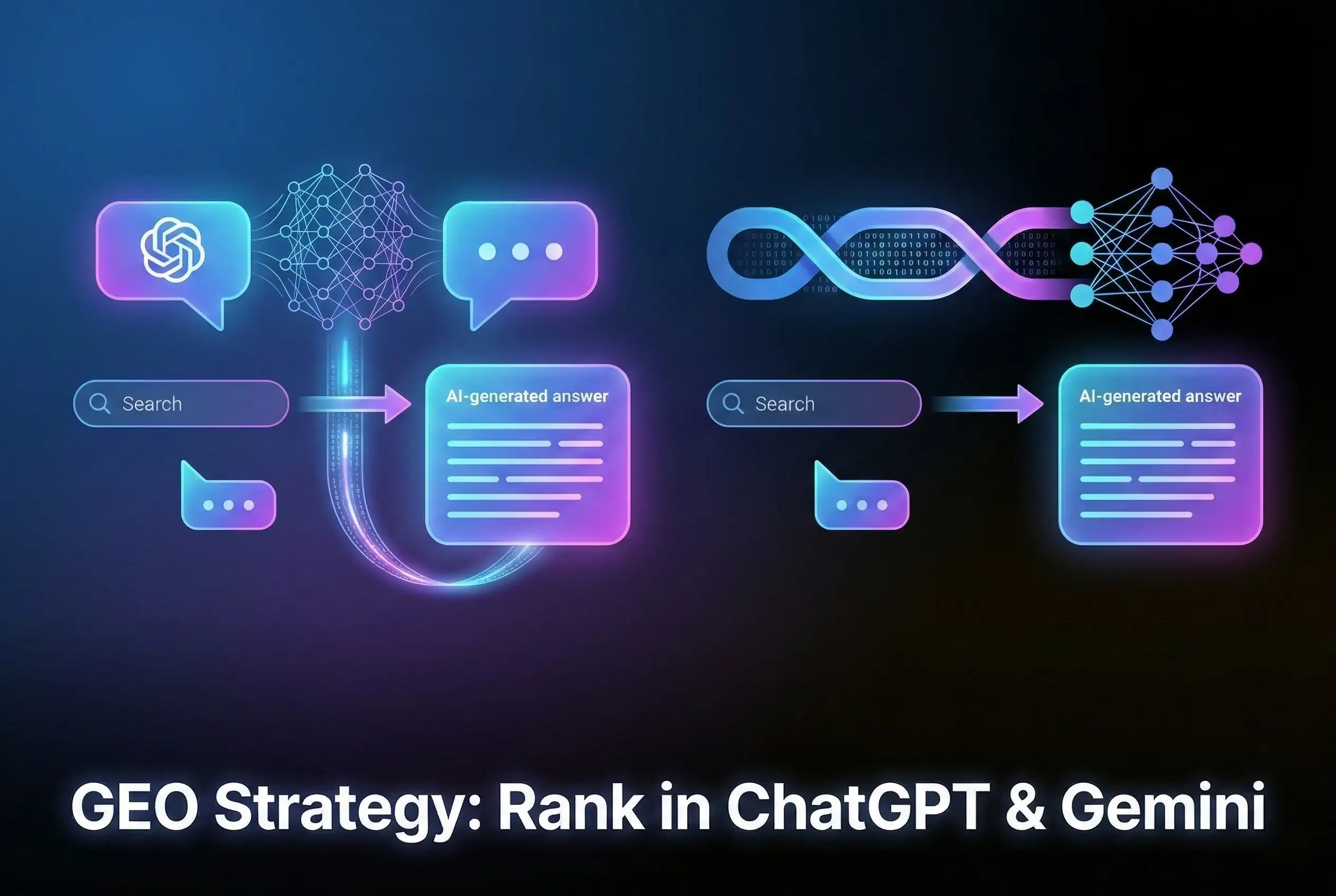
GEO Strategy: Rank in ChatGPT & Gemini Generative Engine Optimization (GEO) is the essential strategy of optimizing your brand to…

Human + AI Content Strategy: The Winning Formula There is a conversation happening in almost every marketing team right now…