
The Complete Local SEO and Online Visibility Guide for Businesses
The Complete Local SEO and Online Visibility Guide for Businesses Local SEO is what stands between your business and the…

Web Design in 2026 is no longer just about visuals like colors and layouts; it is about building a machine-readable foundation for AI search. While aesthetics still matter, a secondary layer now determines whether AI tools like ChatGPT, Gemini, and Perplexity can find and cite your brand.
These generative engines do not browse your website like a human; they extract data. If your web design is not built for this extraction, AI systems will skip your beautiful interface and cite a competitor instead. This technical “underlayer” is the missing piece in most modern design conversations.
Table of Contents
Your website has always needed to work for the people visiting it. That has not changed. What has changed is that before a human ever lands on your site, an AI tool has probably already decided whether your business is worth recommending.
37% of consumers now start their searches inside AI platforms before they ever open Google. When someone types “best web design agency for small businesses” into ChatGPT, the AI scans its training data and indexed sources for websites that are structured clearly, authoritative, and easy to extract answers from. Messy navigation, vague service descriptions, walls of text with no structure — these are not just bad for users anymore. They are invisible to AI.
Web design in 2026 means designing for clarity first. Humans and AI both respond well to it, which is the good news. The difference is that humans will forgive a confusing page if they want your product badly enough. AI will not give your page a second chance.
The way your web design is built under the hood matters enormously for AI search. Clean HTML5 with logical heading hierarchies — H1 for your page title, H2 for main sections, H3 for subsections — tells AI systems exactly how your content is organised. A visually beautiful website built on a chaotic code structure is essentially unreadable to the tools crawling it. Your web design and your technical structure need to match.
AI tools do not read a full page and summarise it. They scan for self-contained, directly useful sections they can pull and use in a generated answer. Every service page in your web design should have short, focused sections — ideally 50 to 150 words each — where the first sentence answers the question the heading asks. No long wind-ups. No saving the point for the end of the paragraph.
Structured data is how you talk to AI in its native language. FAQPage and LocalBusiness schema tell AI systems your specific details without them having to guess. These are not afterthoughts—they are the digital ID cards for your brand. Implementing connected JSON-LD Schema Markup is the most direct way to ensure your expertise is recognized by the Knowledge Graph.
AI crawlers favour fast, stable, mobile-friendly websites because they process content faster and more accurately from them. A slow web design is not just a bad user experience — it directly reduces your chances of being cited in AI-generated answers. Core Web Vitals scores, server response times, and clean mobile layouts all feed into how trustworthy an AI system considers your site to be.
AI systems build trust in your brand by recognising it consistently across the web. Your web design needs to reinforce that — your brand name, what you do, where you operate, and who you serve should appear naturally and consistently across every page. Not just the homepage. Not just the about page. Everywhere. When AI can easily identify your business as a real, specific, credible entity, it becomes far more likely to recommend you.
AI-optimised web design is the practice of building websites that are easily readable and extractable for AI engines like ChatGPT and Gemini. It combines clean technical architecture and JSON-LD schema markup with high-quality visuals to ensure your site is both beautiful for humans and citable for machines
Yes, directly. The structure of your web design determines if AI crawlers can parse your content accurately. Elements like proper heading hierarchy and fast load speeds are now critical. Without these, your site remains “invisible” to generative answers, even if you rank well in traditional Google links.
At a minimum, every site needs LocalBusiness, FAQPage, and Article schema. These tags act as a “translator,” telling AI engines exactly what your services are and who wrote your content. This significantly increases your eligibility for Google AI Overviews and direct citations.
Traditional design focuses on visuals and keywords. AI-optimised design adds a semantic layer—meaning the code is organized into “knowledge snippets” that AI can easily “scrape.” It’s about building a machine-readable foundation that supports your visual brand, ensuring you are part of the AI-generated answer.
Perform the “Island Test”: take a paragraph from your site and see if it makes sense as a standalone answer to a question. If it requires surrounding context to be understood, it’s likely too vague for AI extraction. Slow mobile speeds and missing schema are also major red flags.
Web design has always been about communication — making sure visitors understand who you are and what you offer, fast. That core purpose has not changed. What has changed is who is reading your website before your next customer ever does.
AI search tools are making decisions about your brand based on how your website design is built, how your content is structured, and how clearly your site communicates its purpose. Businesses that get this right are the ones showing up in AI-generated answers, featured snippets, and generative search results — without necessarily spending more on ads or chasing backlinks.
At Turnihi Tech Solutions, we build web design that works for both audiences — the people who visit your site and the AI tools that decide whether to recommend it.
Share Post:

Related Post
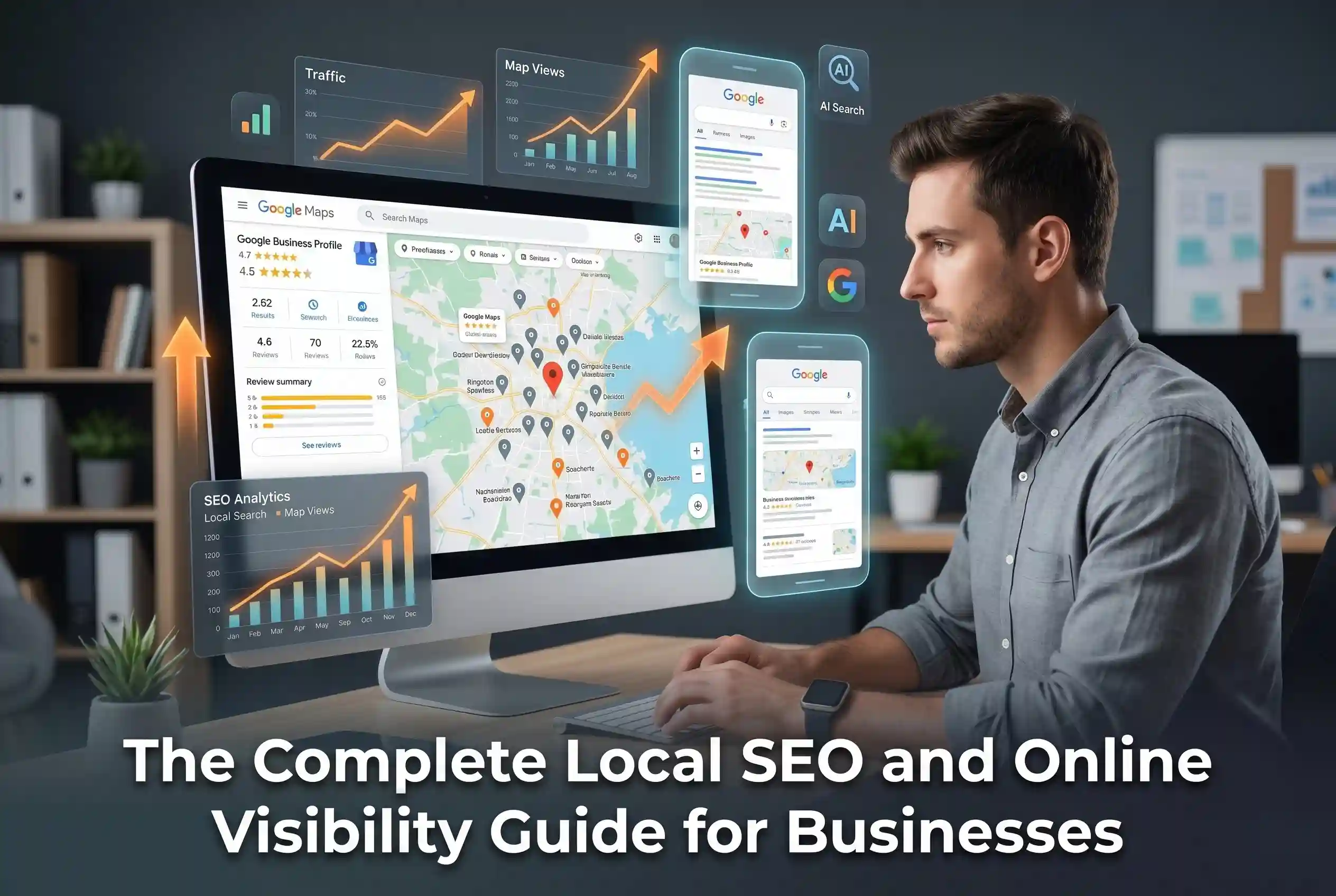
The Complete Local SEO and Online Visibility Guide for Businesses Local SEO is what stands between your business and the…
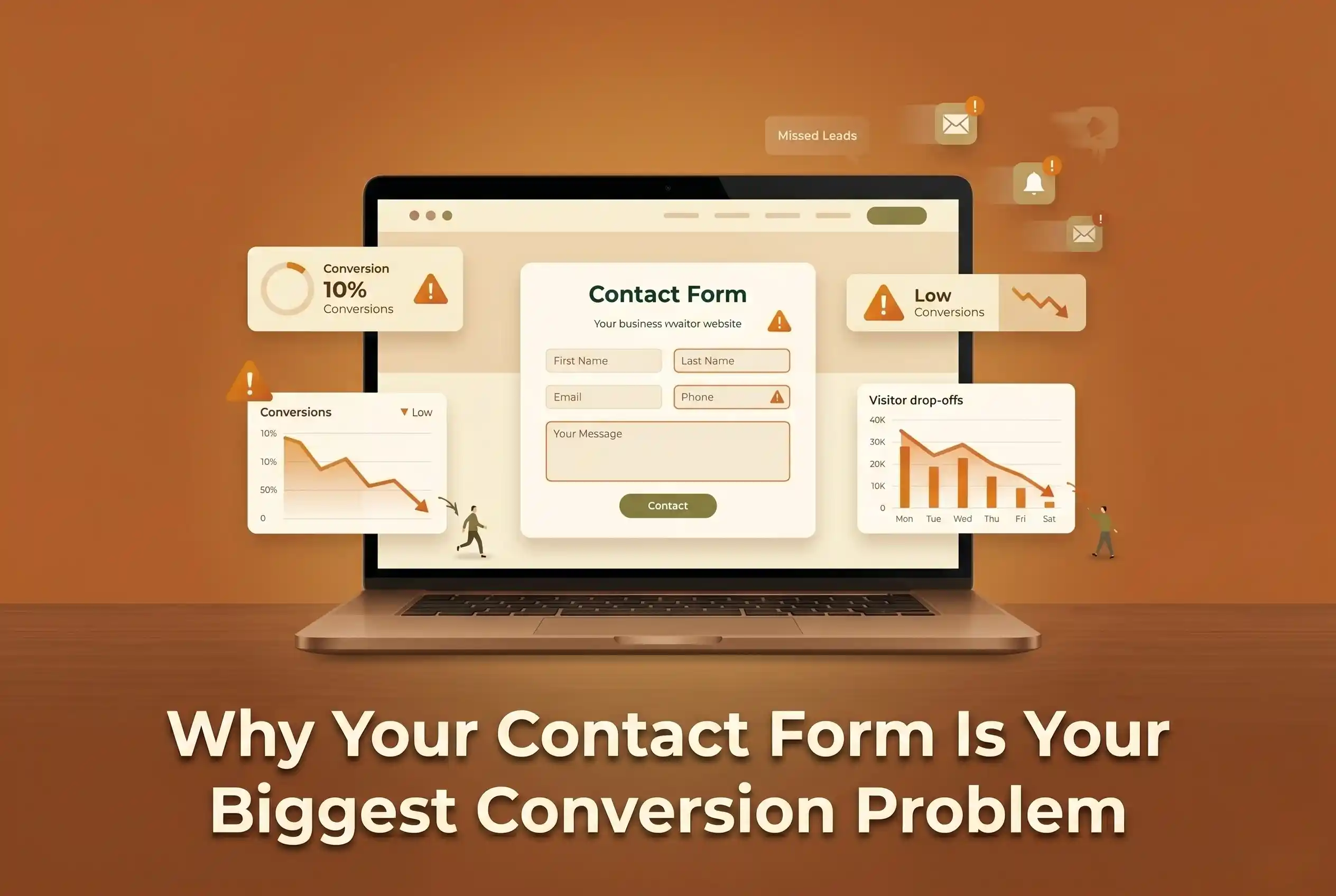
Why Your Contact Form Is Your Biggest Conversion Problem Contact forms are quietly killing conversions on thousands of business websites…
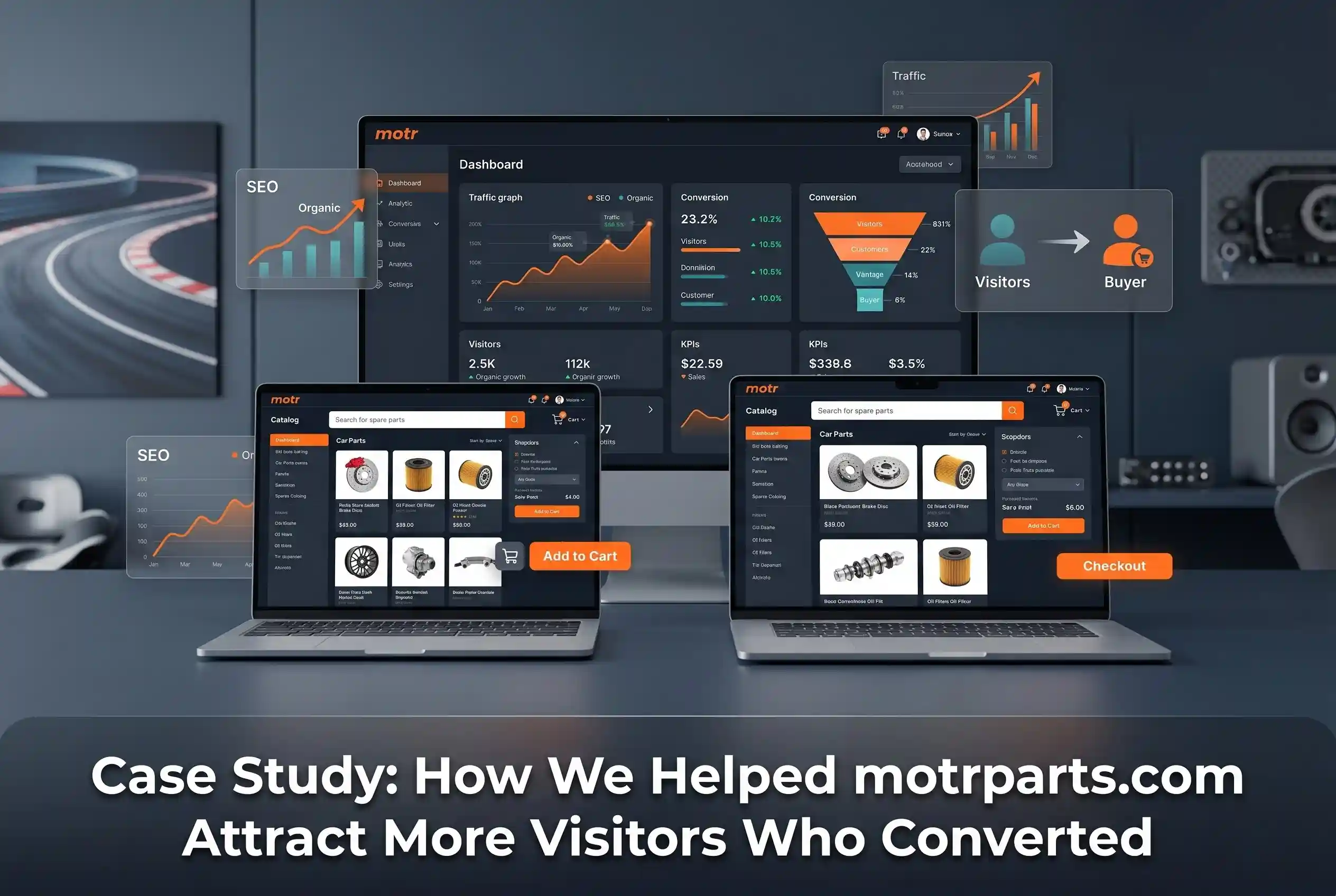
Case Study: How We Helped motrparts.com Attract More Visitors Who Converted This is an SEO case study for auto parts…
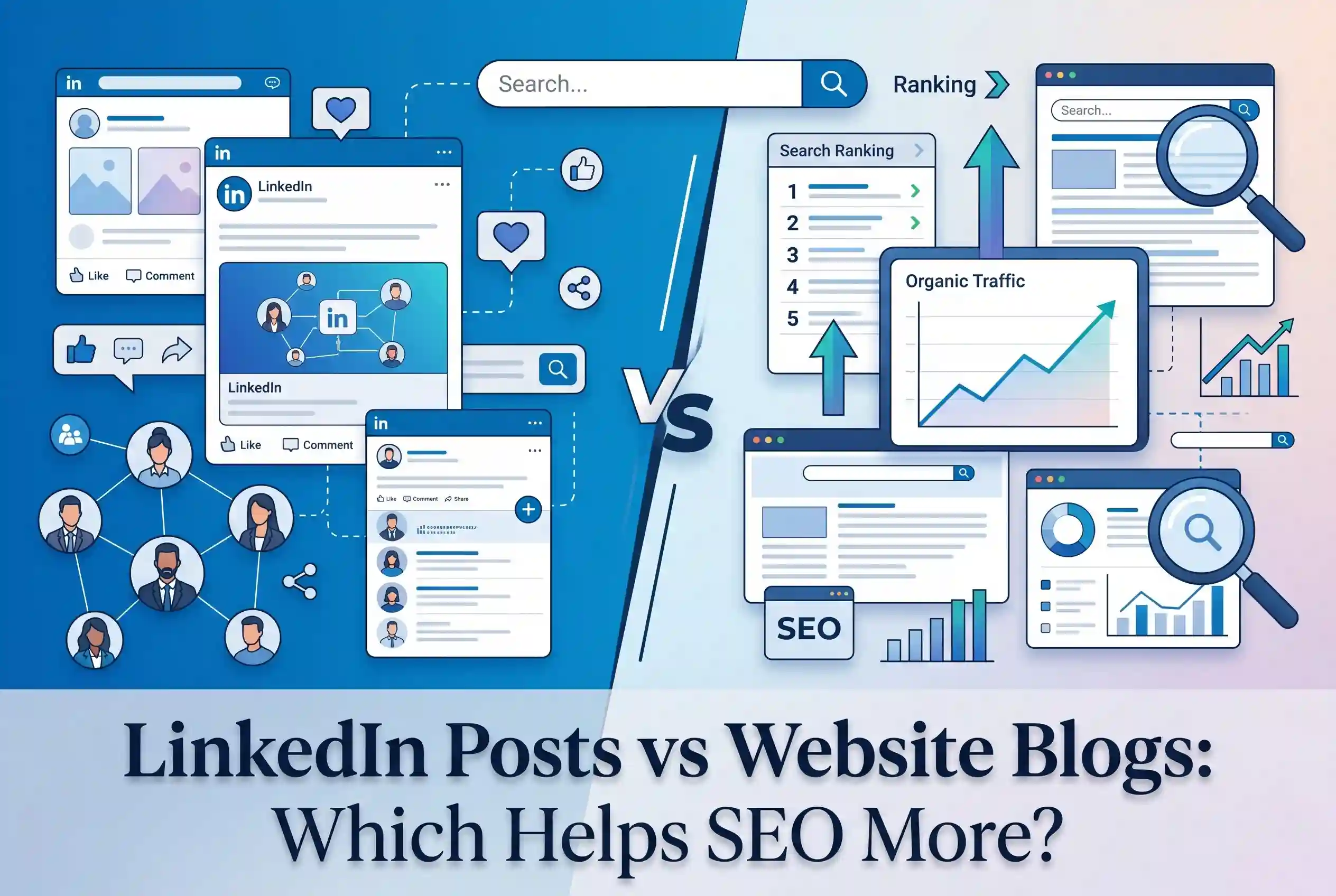
LinkedIn Posts vs Website Blogs: Which Helps SEO More? LinkedIn posts vs website blogs — this is a question more…

Why Your Google Ads Are Burning Budget Without Bringing in Business Google Ads can be one of the most powerful…
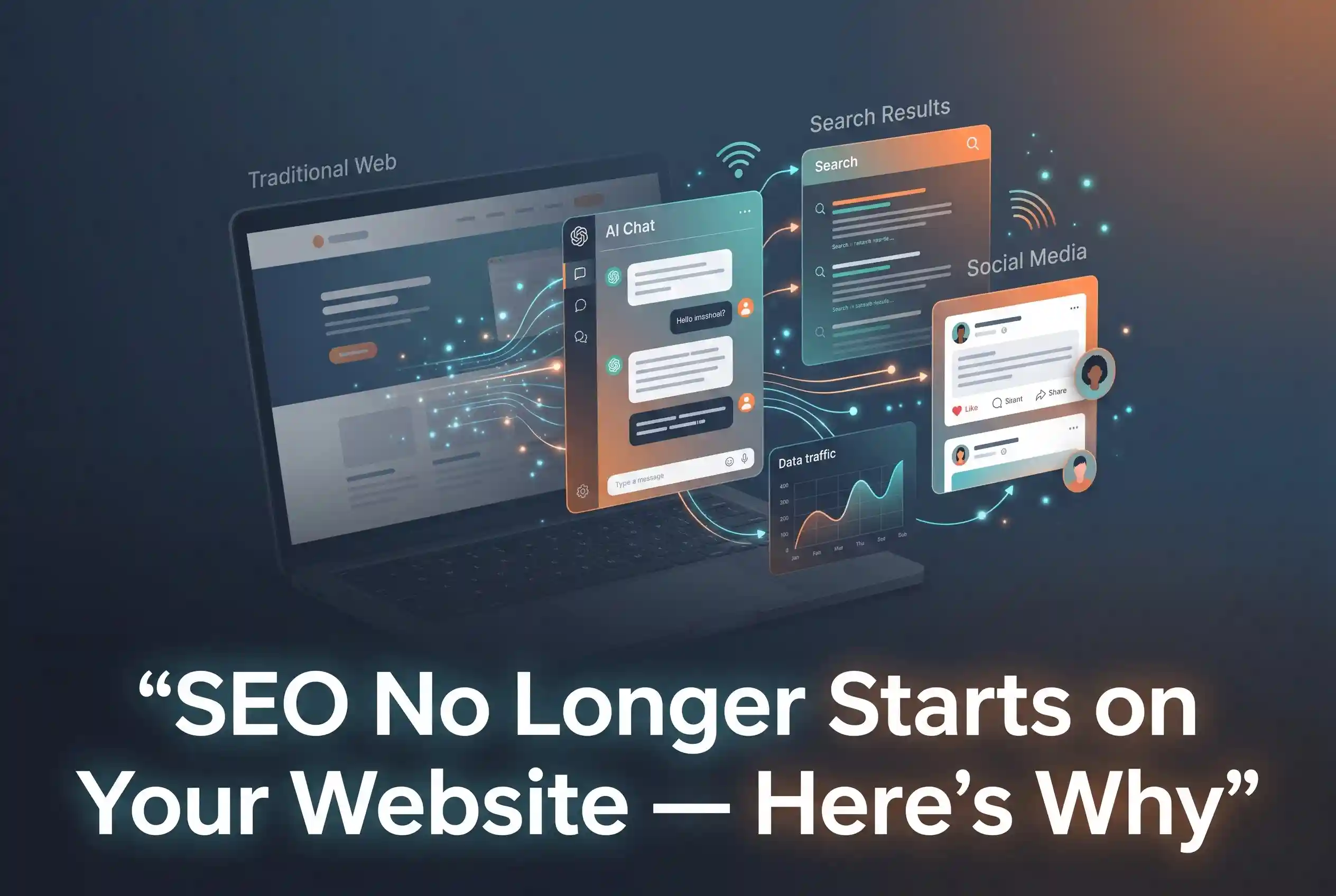
SEO No Longer Starts on Your Website – Here’s Why SEO in 2025 does not begin the moment someone lands…
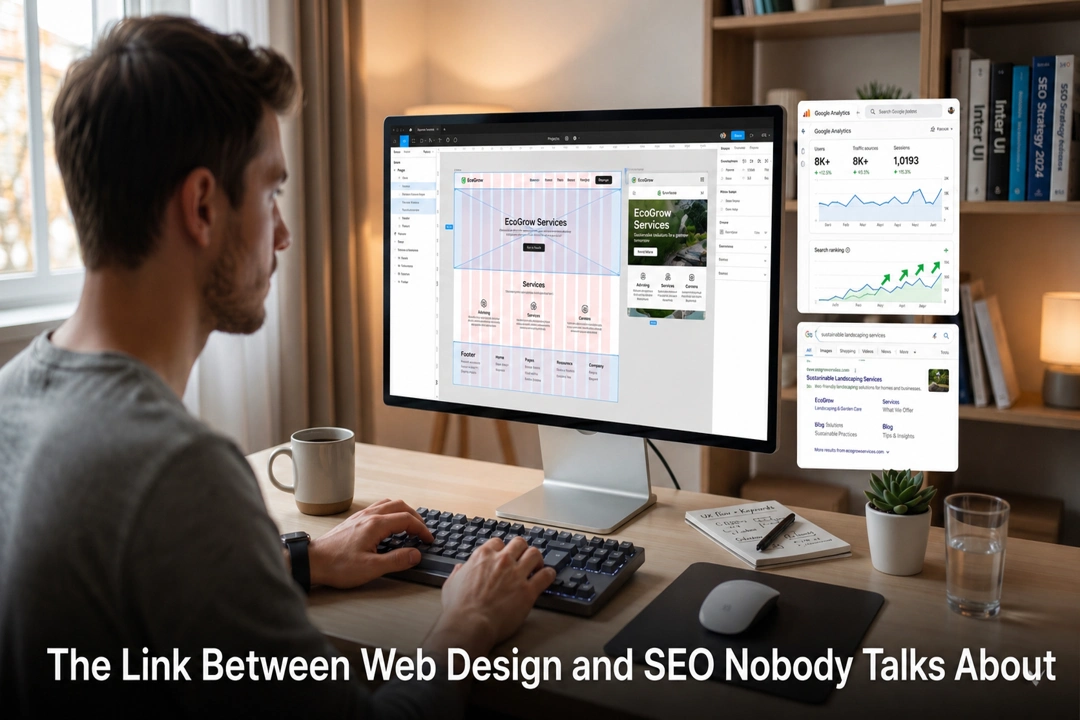
The Link Between Web Design and SEO Nobody Talks About Web design and SEO are not two separate strategies —…
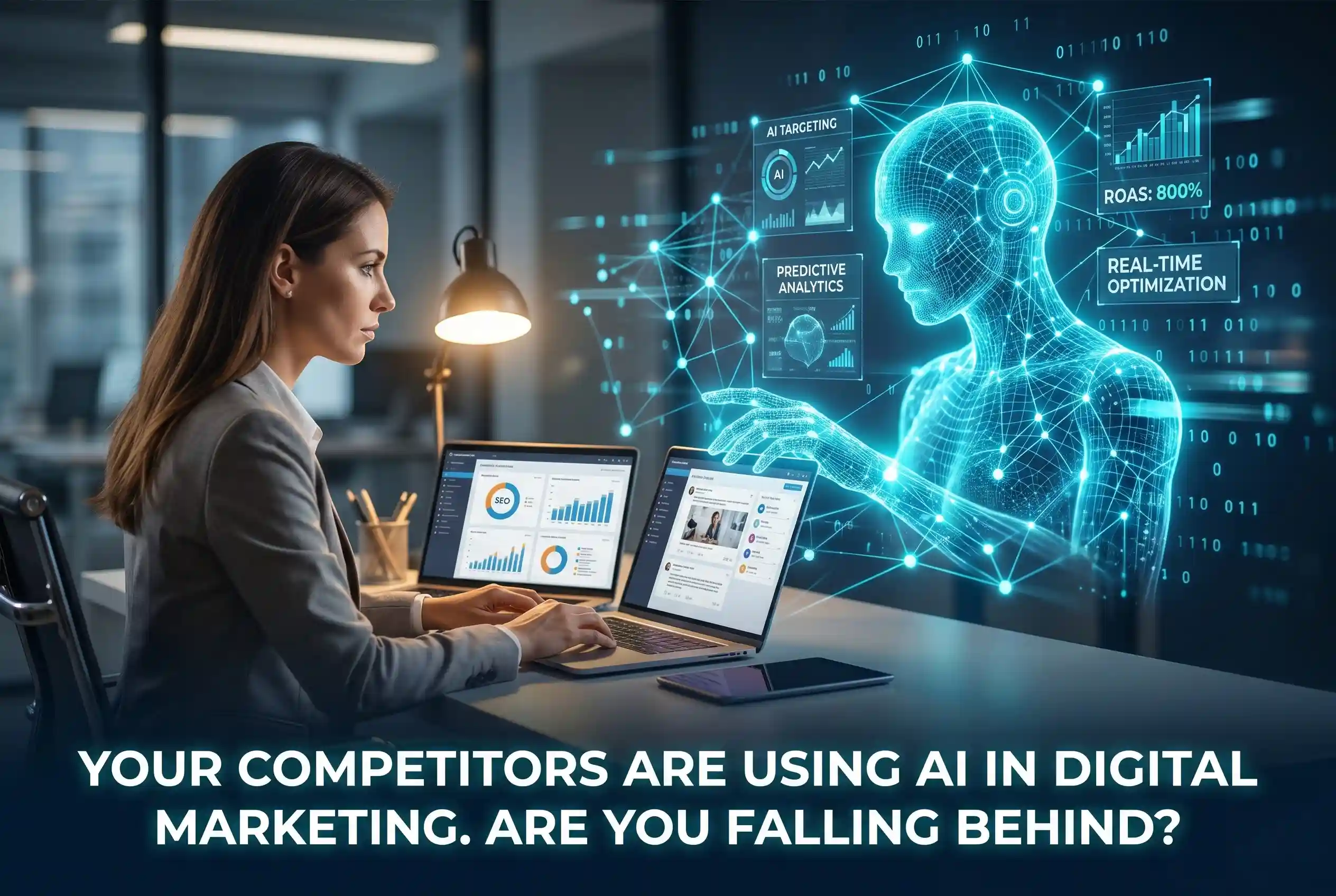
Your Competitors Are Using AI In Digital Marketing. Are You Falling Behind? AI in digital marketing is no longer a…
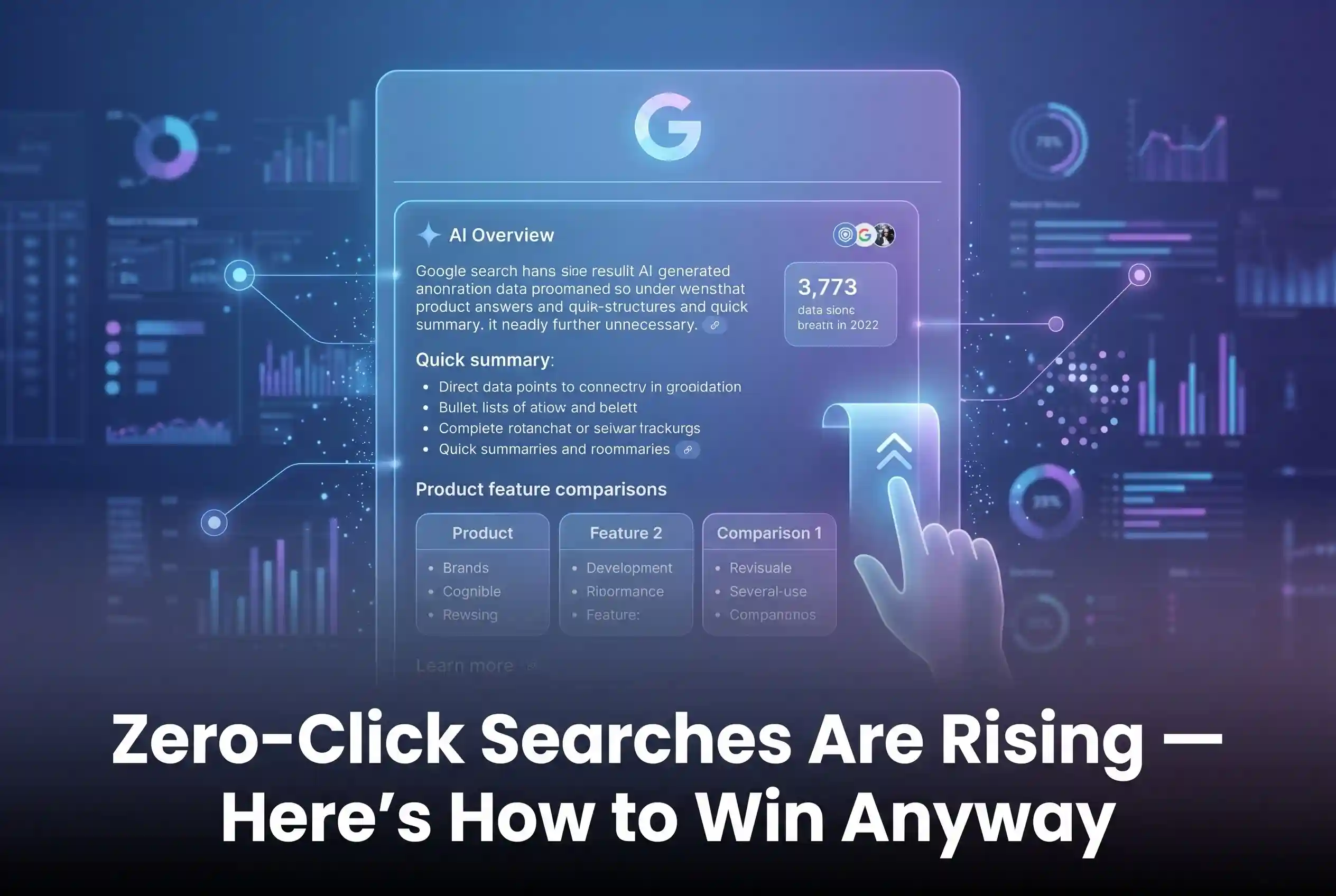
Zero-Click Searches Are Rising – Here’s How to Win Anyway Zero-click searches are fundamentally changing how we use the internet.…
Vibe Coding Is Over : Here’s What Actually Works Vibe coding had its moment. For a while, it felt like…
AI App Development Company vs Freelancers: What to Choose? Hiring an AI app development company gives you a full team,…
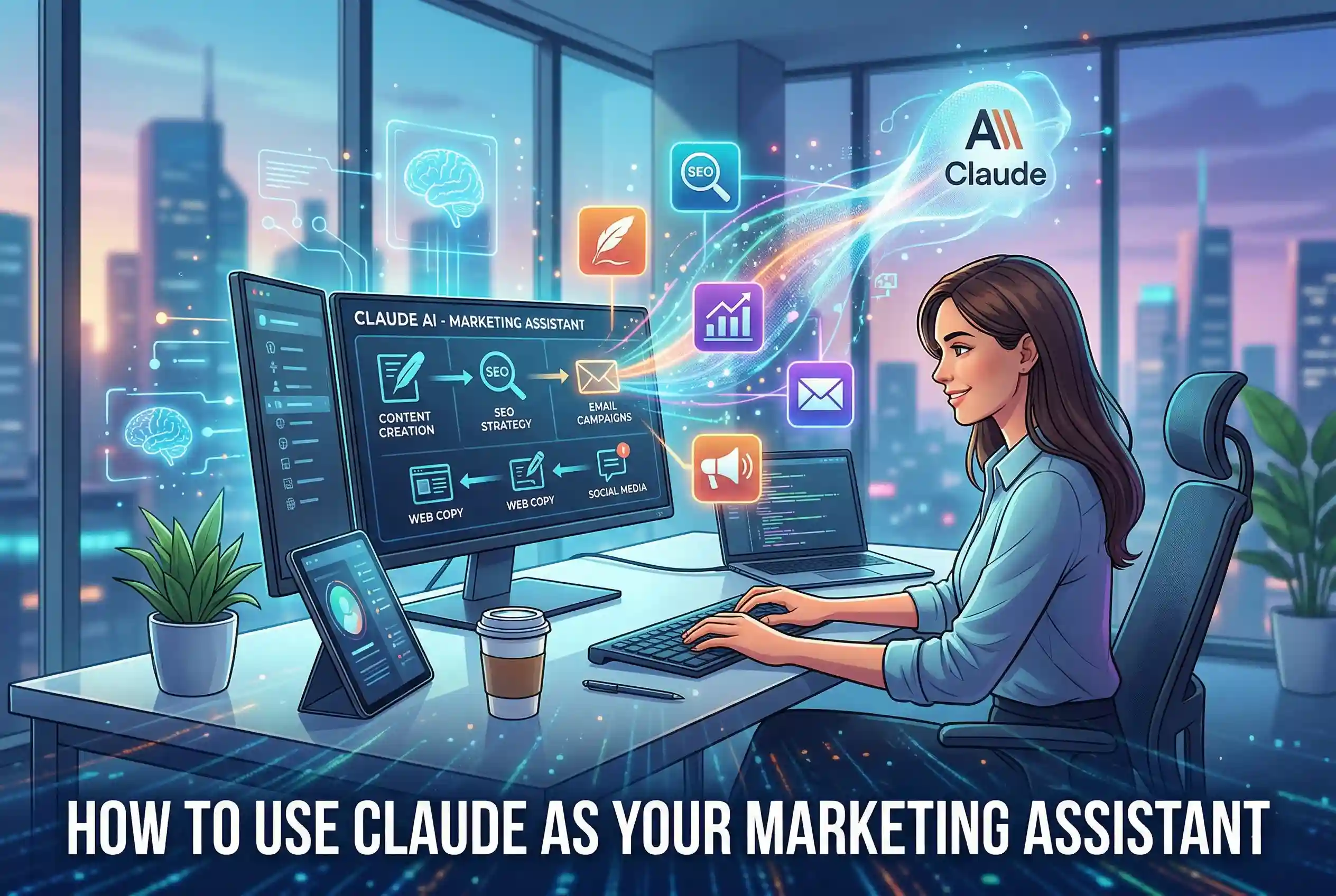
How to Use Claude as Your Marketing Assistant Claude is a free AI assistant built by Anthropic that helps businesses…