
SEO Strategy 2027: What to Prioritise
SEO Strategy 2027: What to Prioritise Your SEO strategy for 2027 needs to look different from the one you ran…

Website design trends for 2027 matter less for how your site looks and more for how many visitors turn into enquiries. Search is changing, and so is the way people reach your pages. One 2027 forecast says AI summaries reduce clicks, so each visit has to count and your site needs a clear structure that AI tools can understand and cite. That puts pressure on your homepage, your service pages and your forms to work harder. Plenty of trend lists are really mood boards with a year attached. Lovart makes the same point and says it focuses on trends that hold up as content changes. So we’ve picked the changes that affect leads. Below, you’ll find the trends worth your budget in 2027, plus the ones you can safely skip. Most of them are forecasts, so treat them as direction, not a guarantee.
Looks still matter, but clarity and speed come first. A visitor decides quickly whether your site can solve their problem. Because of that, the best website design trends in 2027 all support one goal: making the next step obvious. Honestly, a plain page with a clear call to action beats a stunning one that hides the contact button. Before you copy any trend, ask whether it helps someone call, book or enquire.
Accessibility is moving from a last-minute checklist to a rule you set at the first wireframe. Lovart calls this shift the most important web design trend for 2027. In practice, that means readable text, strong contrast, clear navigation and forms that work with a keyboard.
Speed belongs in the same bucket. The forecast also expects lightweight pages, multilingual options and simple navigation to be competitive advantages in India and similar markets. For a Chennai business, that could mean a Tamil and English version of your key pages. Fast, accessible pages also help your SEO, so the effort pays off twice.
AI tools now read your website, and so do people. That’s why structure matters. Put a direct answer under each heading, then add detail. Use short paragraphs, tables for comparisons and an FAQ where it fits. Also add structured data that matches what is on the page. A clear layout helps visitors skim, and it gives AI answers a clean passage to quote. Here’s the thing: you don’t need a separate project for this, because good content design already covers most of it.
Brochure sites are giving way to sites that do something. The forecast expects more websites to include small, useful tools that attract and keep visitors. A fee calculator, a quick quiz or a booking form can work well for a clinic, a college or a training institute.
Chat assistants are spreading too. If you add one, make it helpful, say clearly that it’s AI and let people close it easily. Consent design deserves attention as well. The same forecast says consent banners and forms need clear language and real choices, and it draws on India’s DPDP Rules. So write forms in plain words, ask only for what you need and explain how you’ll use the data.
Not every trend is worth chasing. Bold, oversized typography is one of the loudest looks right now, and immersive 3D effects are popular too. They look striking in a portfolio. But heavy effects can slow a page and pull attention away from the call to action. Use them in small doses and test speed on a mid-range phone first. Honestly, if a trend would force you to redesign the whole site every year, skip it. Pick two or three that support your goal, and do them well.
The biggest ones are accessibility from the start, fast lightweight pages, content structured for AI search and useful tools like calculators. Chat assistants and clearer consent design are also growing. Treat these as forecasts, since nobody can say exactly how 2027 will play out.
Yes, when they make the next step clearer or the page faster. Purely visual trends rarely lift enquiries on their own. Test any change on a key page and watch calls and form fills.
Most businesses do better with steady updates than a full redesign every year. Refresh key pages every few months, and plan a bigger rebuild only when the site no longer meets your goals. This also protects your SEO rankings.
Mobile-first layouts, fast loading and simple navigation matter most, with a regional-language option where your audience needs one. Add clear contact options too, such as a call button and WhatsApp.
Speed, accessibility and clear structure help both visitors and search engines. Decorative effects can hurt speed if you overdo them. Check the page-speed impact of every trend before you ship it.
The best plan for 2027 is a focused one. Start with speed and accessibility, make every page answer a question clearly, and add one useful tool that helps visitors act. Then measure calls and enquiries, not just visits. Website design trends will keep changing, so review your results every quarter and adjust. Small, well-tested improvements usually beat a dramatic redesign. If you’d like a second opinion on your website, Turnihi Tech Solutions is happy to help.
Share Post:

Related Post
SEO Strategy 2027: What to Prioritise Your SEO strategy for 2027 needs to look different from the one you ran…

ChatGPT Business Hub: How to Claim and Verify Your Business for Free Every day, millions of people ask ChatGPT where…
AI Website Builder vs Web Designer: What Your Business Really Needs A few years ago, building a website meant hiring…
AI Overview Citations Keep Changing: What It Means for Your Clicks For a long time, Google search was easy to…
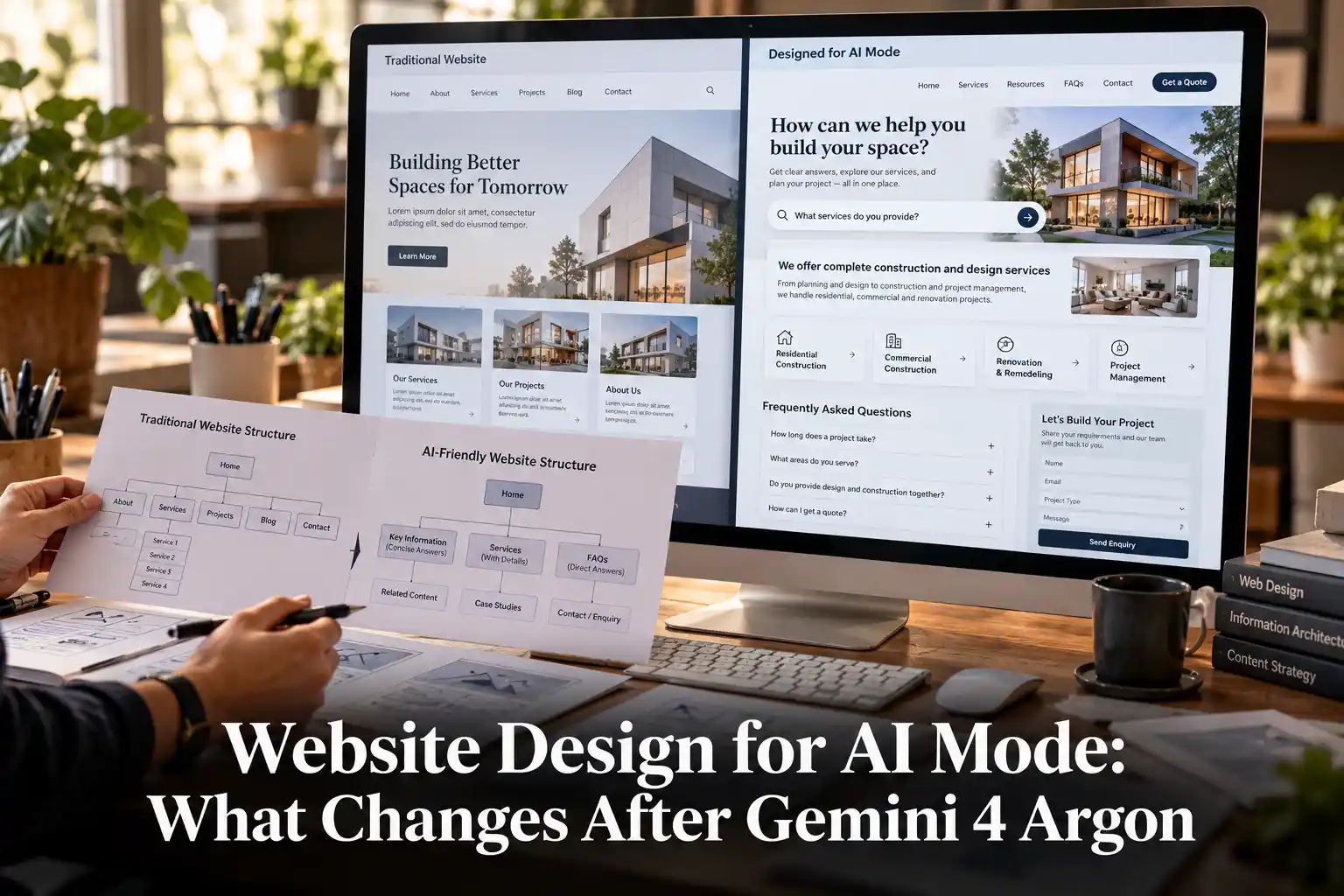
Website Design for AI Mode: What Changes After Gemini 4 Argon Website design for AI Mode is the practice of…
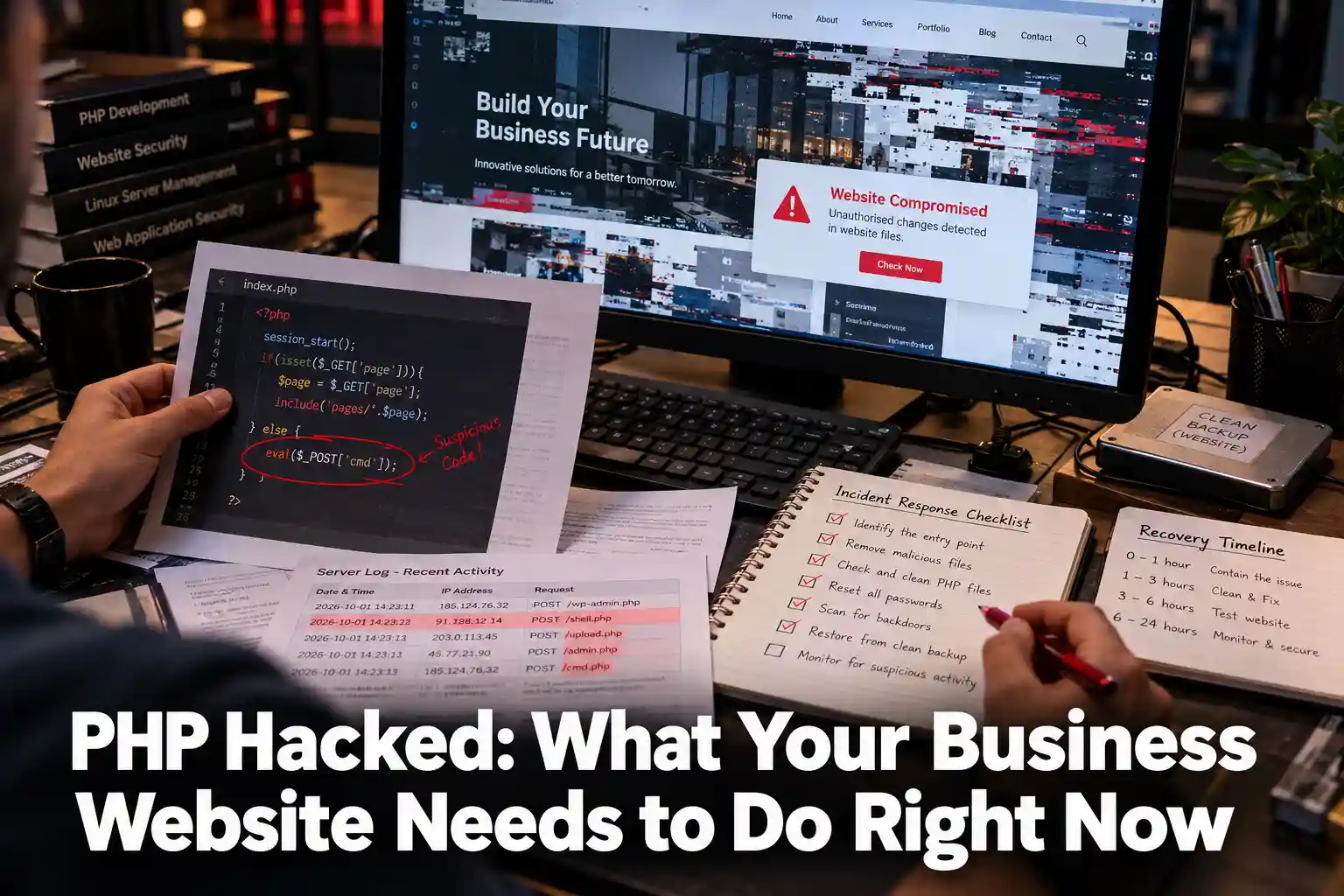
PHP Hacked: What Your Business Website Needs to Do Right Now PHP hacked means someone has broken into your website…
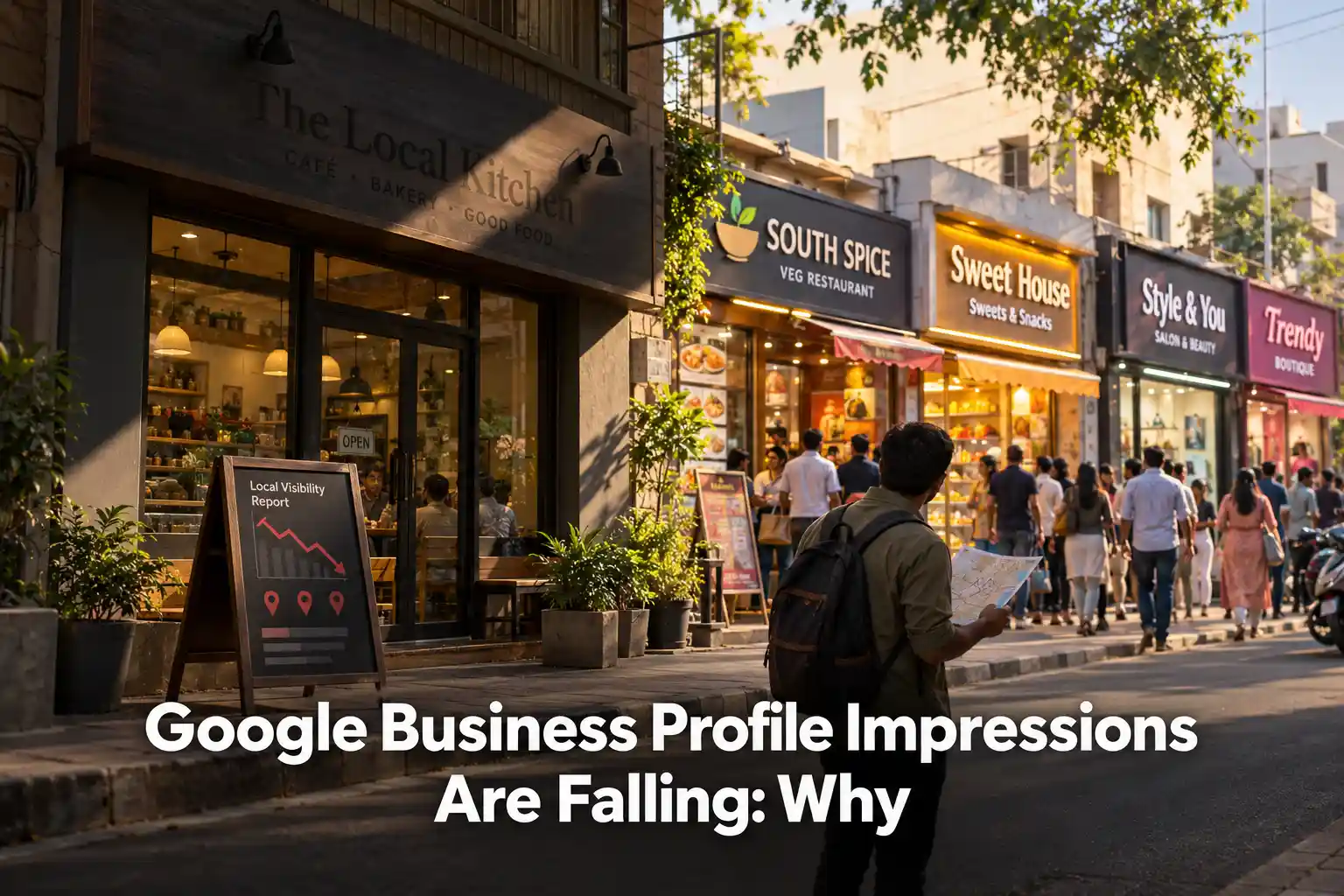
Google Business Profile Impressions Are Falling: Why Google Business Profile impressions are falling because AI Overviews and zero-click results now…
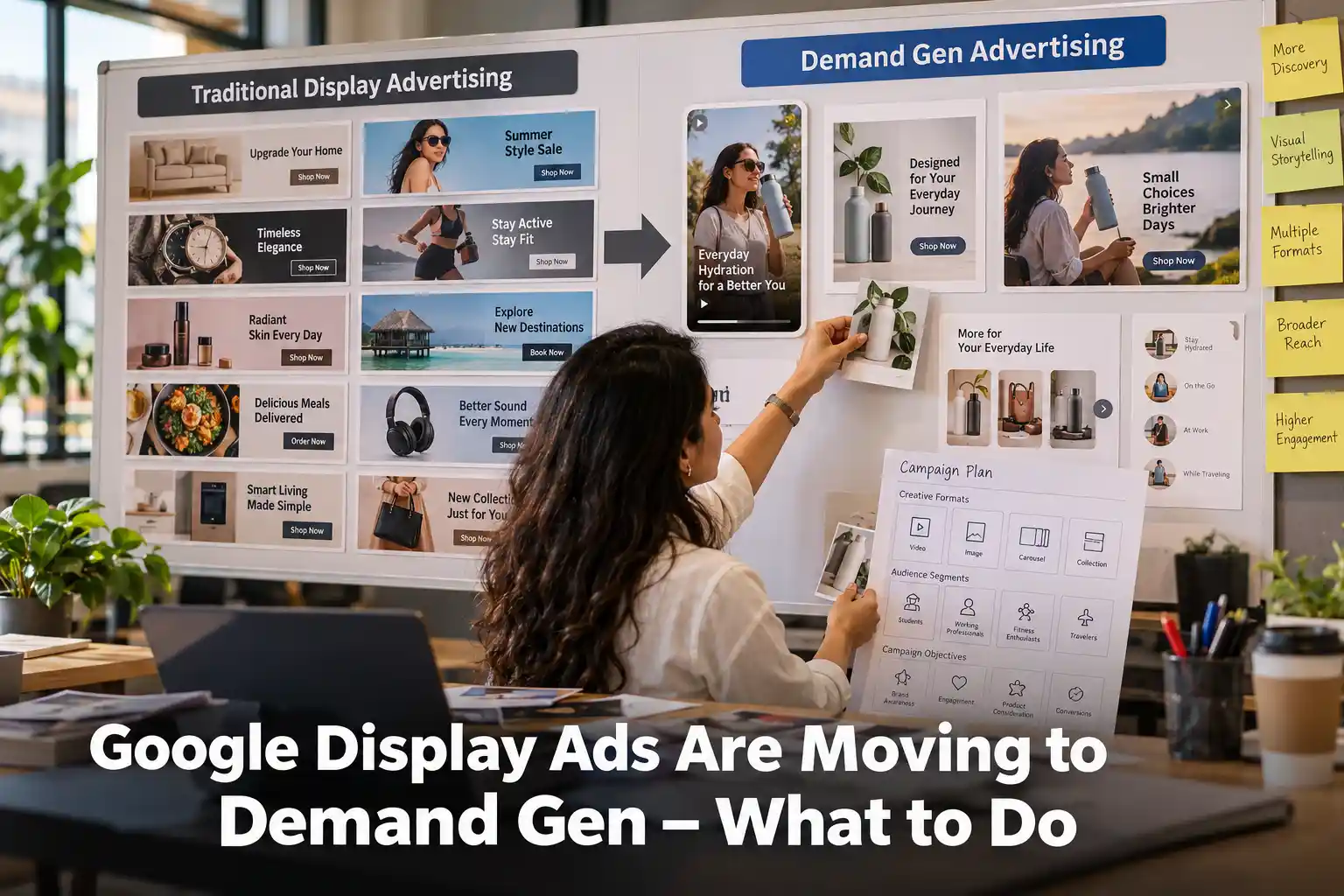
Google Display Ads Are Moving to Demand Gen – What to Do Google Display Ads are moving into Demand Gen,…
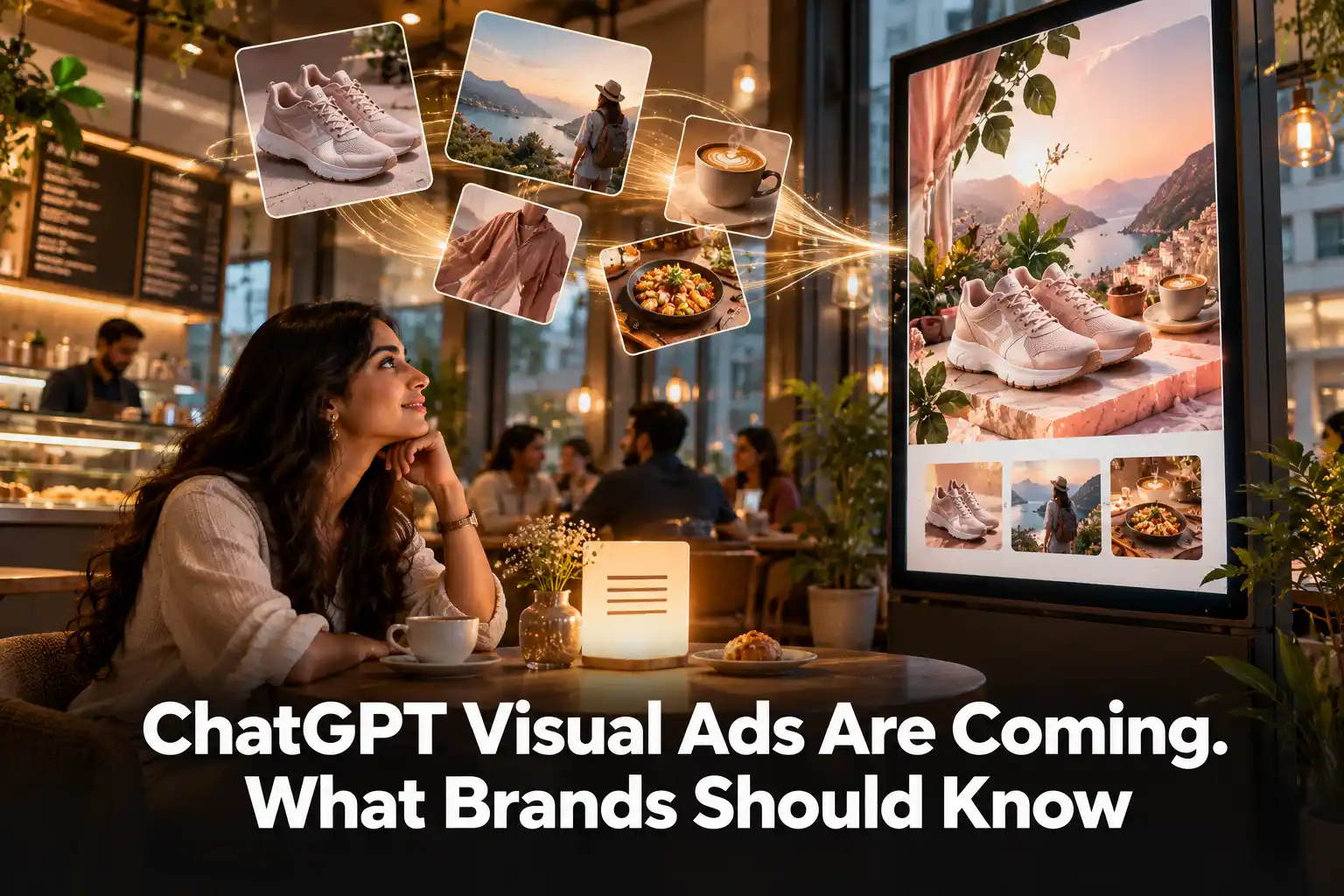
ChatGPT Visual Ads Are Coming. What Brands Should Know Ask ChatGPT to create an image, and you may soon see…
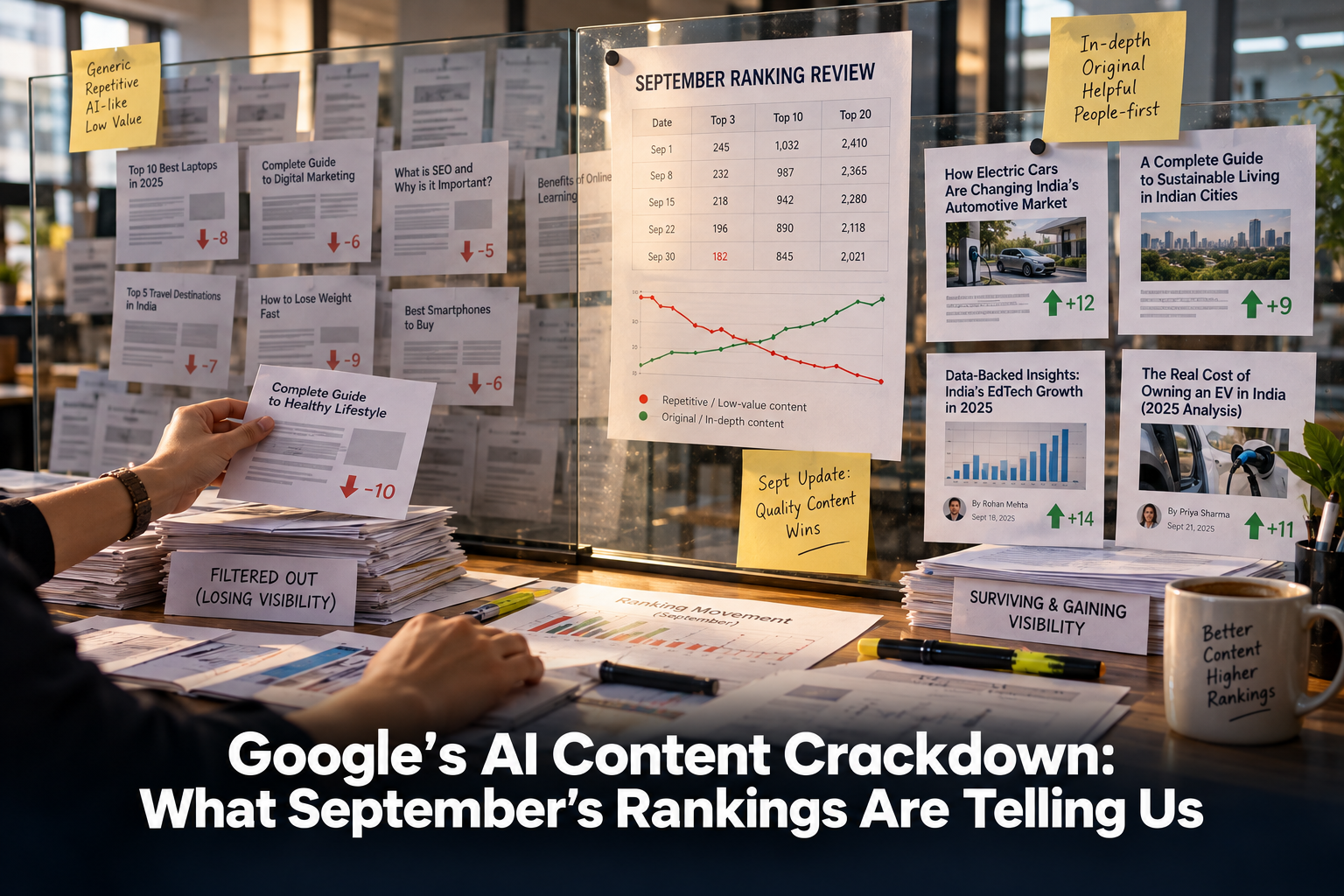
Google’s AI Content Crackdown: What September’s Rankings Are Telling Us Google’s AI content crackdown became one of the most talked-about…

Google Is Moving Your Ads to AI Max — Here’s What to Do AI Max is Google’s newest bid to…