Google Display Ads Are Moving to Demand Gen – What to Do
Google Display Ads Are Moving to Demand Gen – What to Do Google Display Ads are moving into Demand Gen,…

Google Business Profile impressions are falling because AI Overviews and zero-click results now answer many local searches before anyone sees your listing. Birdeye’s State of Google Business Profile 2026 report found that impressions per location dropped 53.8%. Customer actions fell only about 5%. So fewer people see your profile, but the ones who do still call, visit, and ask for directions.
If you opened your insights recently and felt your stomach drop, you’re not alone. A fall that size looks scary. But the number alone doesn’t tell you whether you’re losing customers. What matters is what people do after they find you.
This guide explains why the numbers are sliding, which ones deserve your attention, and what to do about it this month. We’ve kept it practical, so you can act on it without a marketing degree.
AI answers and zero-click results now settle many local searches without a click. Google has also tested local packs that show fewer businesses. As a result, impressions drop, while calls and direction requests fall far less. So focus on real actions, keep your profile complete and verified, and build the review and citation signals AI systems trust.
Impressions count how often your listing appears in Search or Maps. Birdeye’s 2026 report shows they fell 53.8% per location, while actions dipped about 5%. The data covers large multi-location brands across more than 30 industries and reflects 2025 activity.
That scope matters. A big chain behaves differently from a single clinic or a corner shop, so your own drop could be smaller or larger. Still, the direction is clear. Fewer people see listings, yet the ones who do are ready to act. Think of a shop window on a quiet street. Fewer people stroll past, but the ones who walk in want to buy.
AI Overviews now appear on a large share of local searches, and they summarise businesses without sending every searcher to a listing. Google has also tested AI-style local packs that show one or two businesses instead of three. Some businesses reported visibility drops above 50% in early 2026.
Search habits are shifting too. Google’s Ask Maps feature lets people ask questions in plain language inside Maps. Meanwhile, more people simply read the answer on the results page and move on. Your listing still matters. It just gets fewer casual glances.
Not necessarily. Birdeye’s data shows actions fell only around 5% while impressions dropped by more than half. Searchers who still reach your listing are further along in their decision. Judge performance on calls, direction requests, and website clicks, not views alone.
One more finding explains why discovery still matters. About 86% of impressions come from category searches such as “dentist near me,” not from people typing a business name. In other words, your listing mostly wins new customers. Existing customers already know where you are.
Verify your listing, fill in every field, pick accurate categories, and collect fresh reviews. Then keep your business name, address, and phone number identical across your website and directories. AI answers lean on the same information, so these basics help in both places. Here’s where to start.
Verify first. In Birdeye’s data, 76% of profiles had verification, so an unverified listing starts behind.
Choose categories carefully. Most discovery comes from category searches, so your primary category is your biggest lever. Pick the one that matches your main service, then add secondary ones that are true.
Ask for reviews. Make it easy. Send a short WhatsApp link to your review page after a good visit. Then reply to every review, good or bad. Recent, genuine reviews tell Google and customers that you’re active.
Keep photos and details fresh. Update hours, services, and photos whenever something changes. Stale details cost you trust fast.
AI tools build local recommendations from your profile, your reviews, and what the wider web says about you. Consistent details and genuine local mentions raise your chances of being named. Clear service pages and schema markup help these systems read your site correctly.
Local mentions matter more than most owners think. A chamber of commerce listing, a local news feature, or a partner’s recommendation page all act as outside voices. Likewise, a service page that names your city and explains what you do gives AI something solid to quote. Add LocalBusiness schema, too, so machines can confirm your address and hours.
Track four things each month: calls, direction requests, website clicks, and new reviews. Together they show whether your listing turns views into customers. Use impressions as a reach signal, and judge success by actions.
Here’s a simple test. If actions hold steady while impressions dip, your profile is doing its job. However, if both fall together, look at your reviews, categories, and competitors. That usually points to a real visibility problem, not a search shift.
AI Overviews, zero-click results, and tests of smaller local packs all reduce how often listings appear. Birdeye’s 2026 report shows impressions per location down 53.8%. However, actions fell only about 5%, so the drop often reflects changing search behaviour, not lost demand.
Not always. Impressions measure appearances, not customers. If calls, direction requests, and website visits stay steady, you’re still earning attention. Worry when actions fall too, because that points to a real visibility or reputation problem.
Verify your listing, choose precise categories, fill every field, and add real photos. Then collect recent reviews and reply to each one. Also keep your details consistent across directories. These basics improve local pack visibility and help AI tools describe your business correctly.
Yes. Birdeye found that 76% of profiles in its data had verification, which makes it the baseline now. An unverified listing starts behind competitors. Verify first, then work on categories, reviews, and photos.
AI tools combine your profile details, reviews, website content, and mentions across the web. Consistent information raises confidence. As a result, businesses with complete profiles, genuine recent reviews, and clear local pages stand a better chance of being named.
Track calls, direction requests, website clicks, and new reviews every month. Together they show whether your listing turns views into customers. Treat impressions as a reach signal only, and judge success by actions.
Impressions will keep bouncing around while Google tests new ways to answer local searches. Don’t chase the number. Keep your Google Business Profile complete, your details consistent, and your reviews fresh. Then watch the actions that bring customers through the door. If you’d like a second pair of eyes on your listing, Turnihi Tech Solutions helps local businesses in Chennai tidy up their profiles and show up in both Google and AI answers.
Share Post:

Related Post
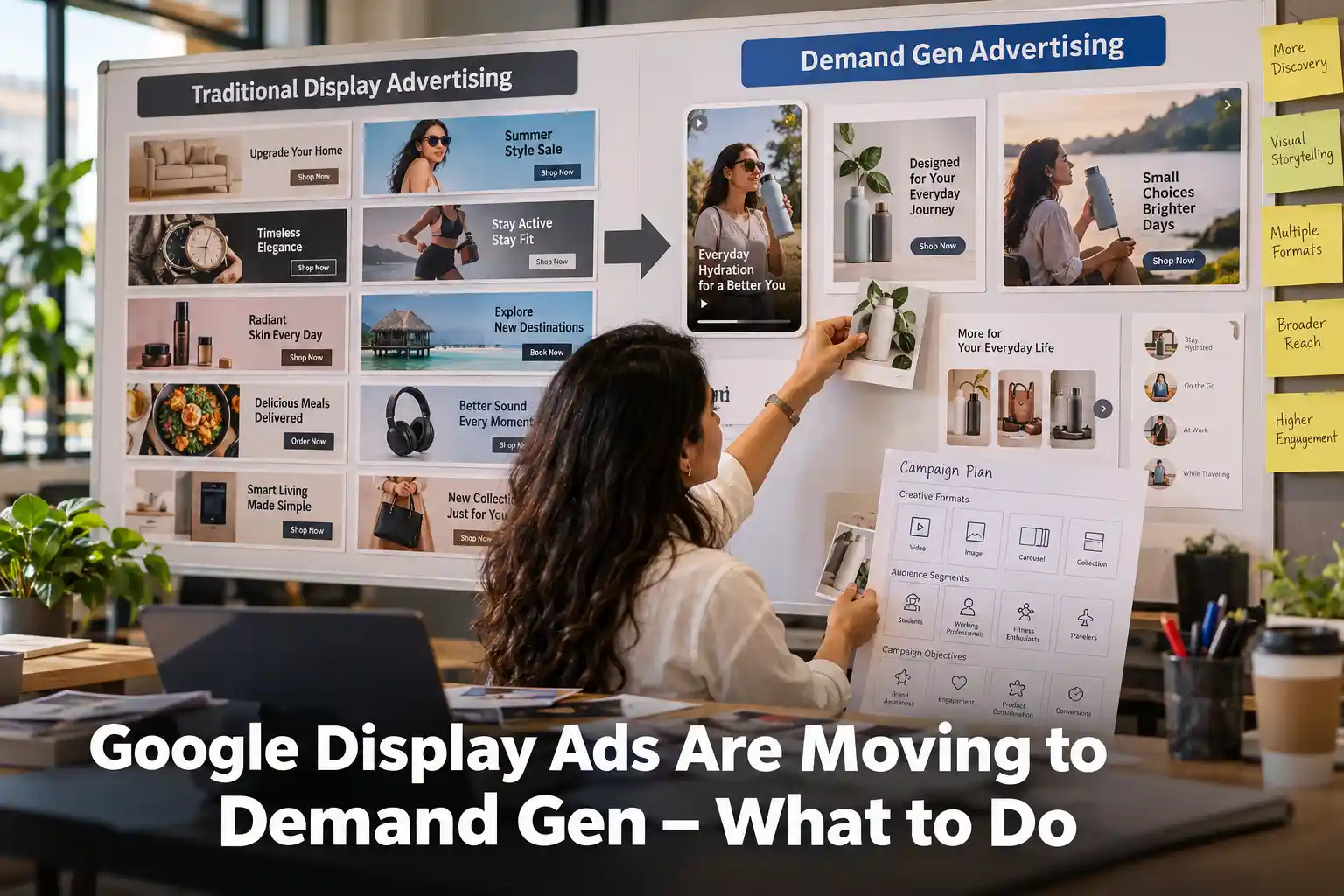
Google Display Ads Are Moving to Demand Gen – What to Do Google Display Ads are moving into Demand Gen,…
ChatGPT Visual Ads Are Coming. What Brands Should Know Ask ChatGPT to create an image, and you may soon see…
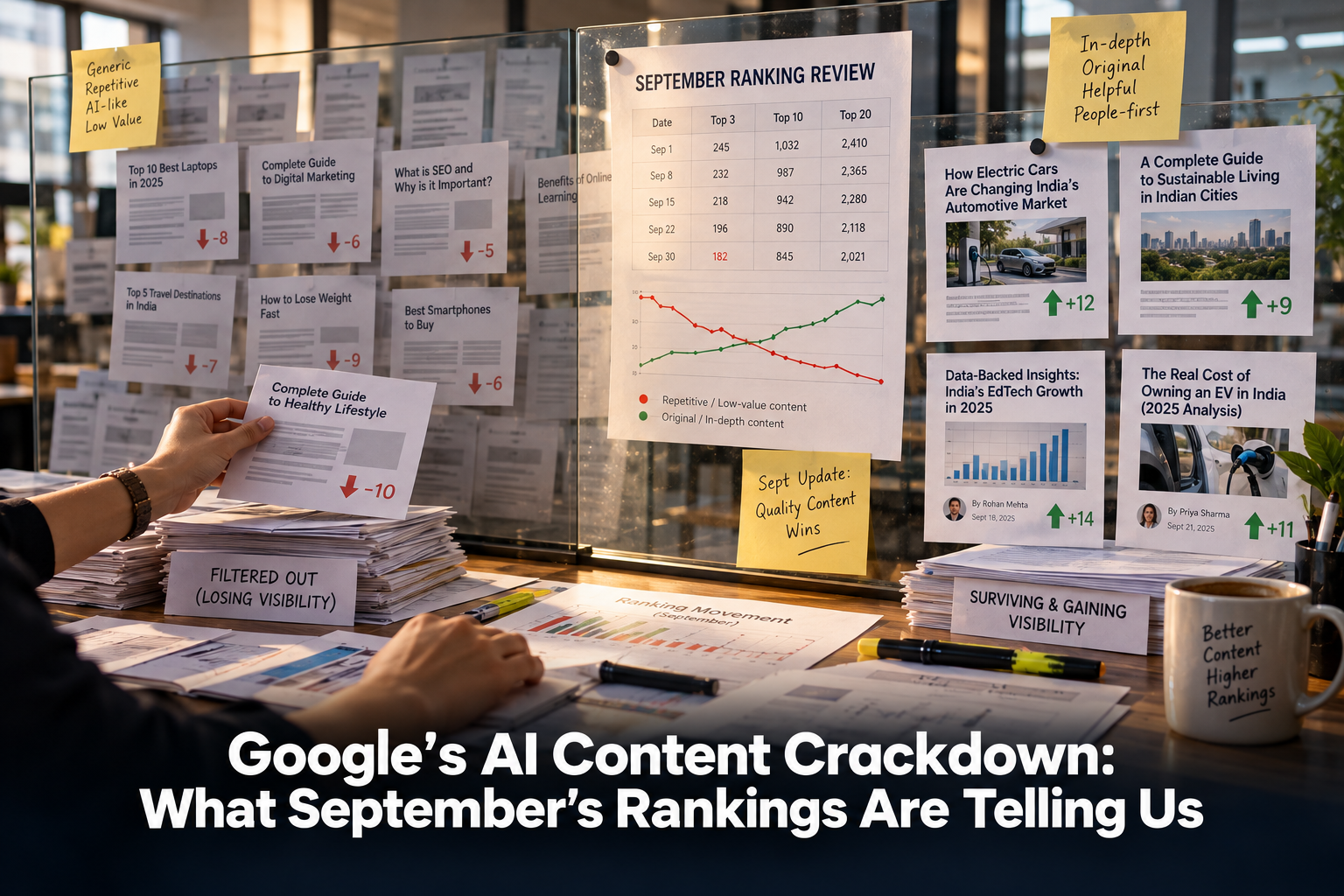
Google’s AI Content Crackdown: What September’s Rankings Are Telling Us Google’s AI content crackdown became one of the most talked-about…
Google Is Moving Your Ads to AI Max — Here’s What to Do AI Max is Google’s newest bid to…
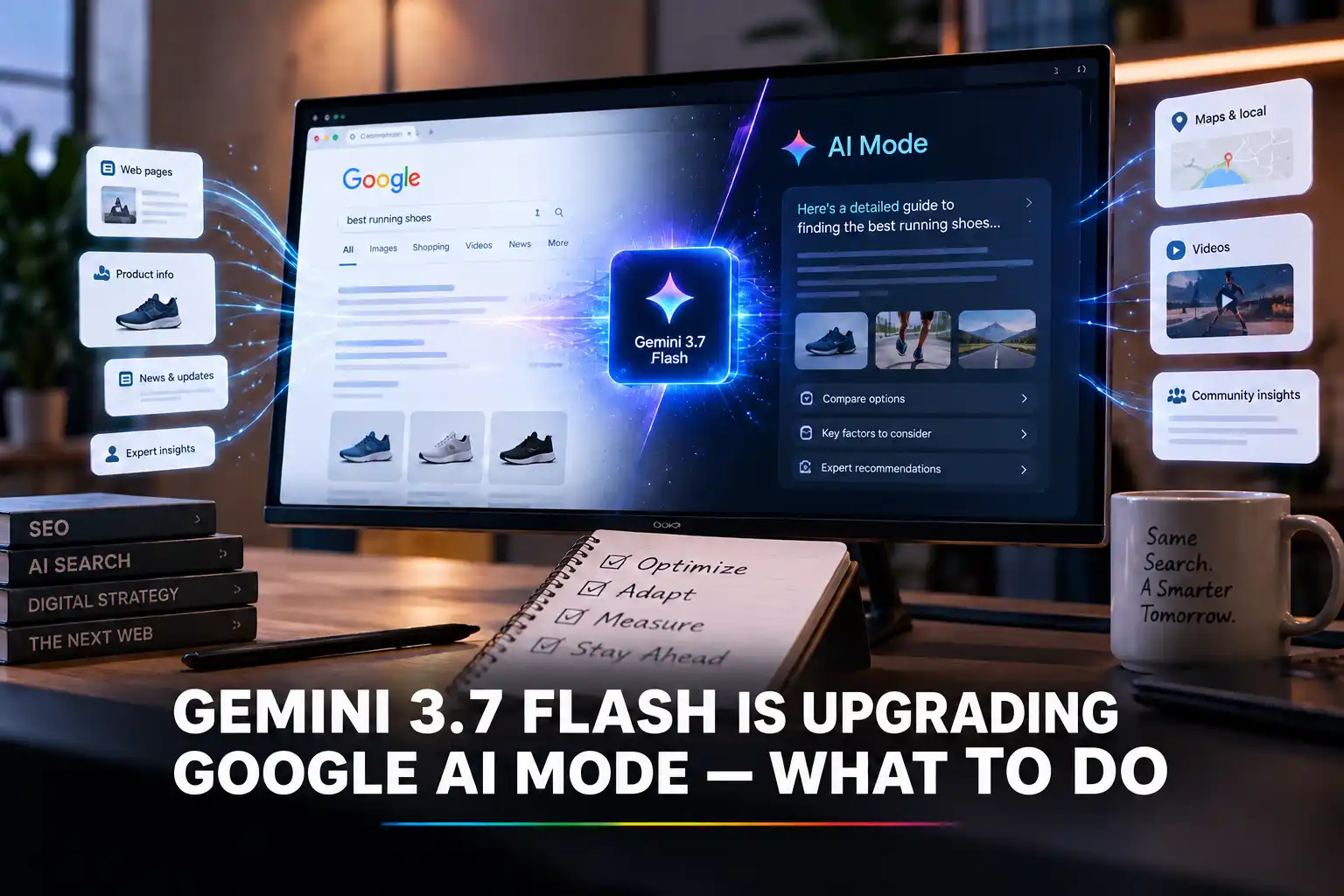
Gemini 3.7 Flash Is Upgrading Google AI Mode — What to Do Gemini 3.7 Flash arrived inside Google AI Mode…
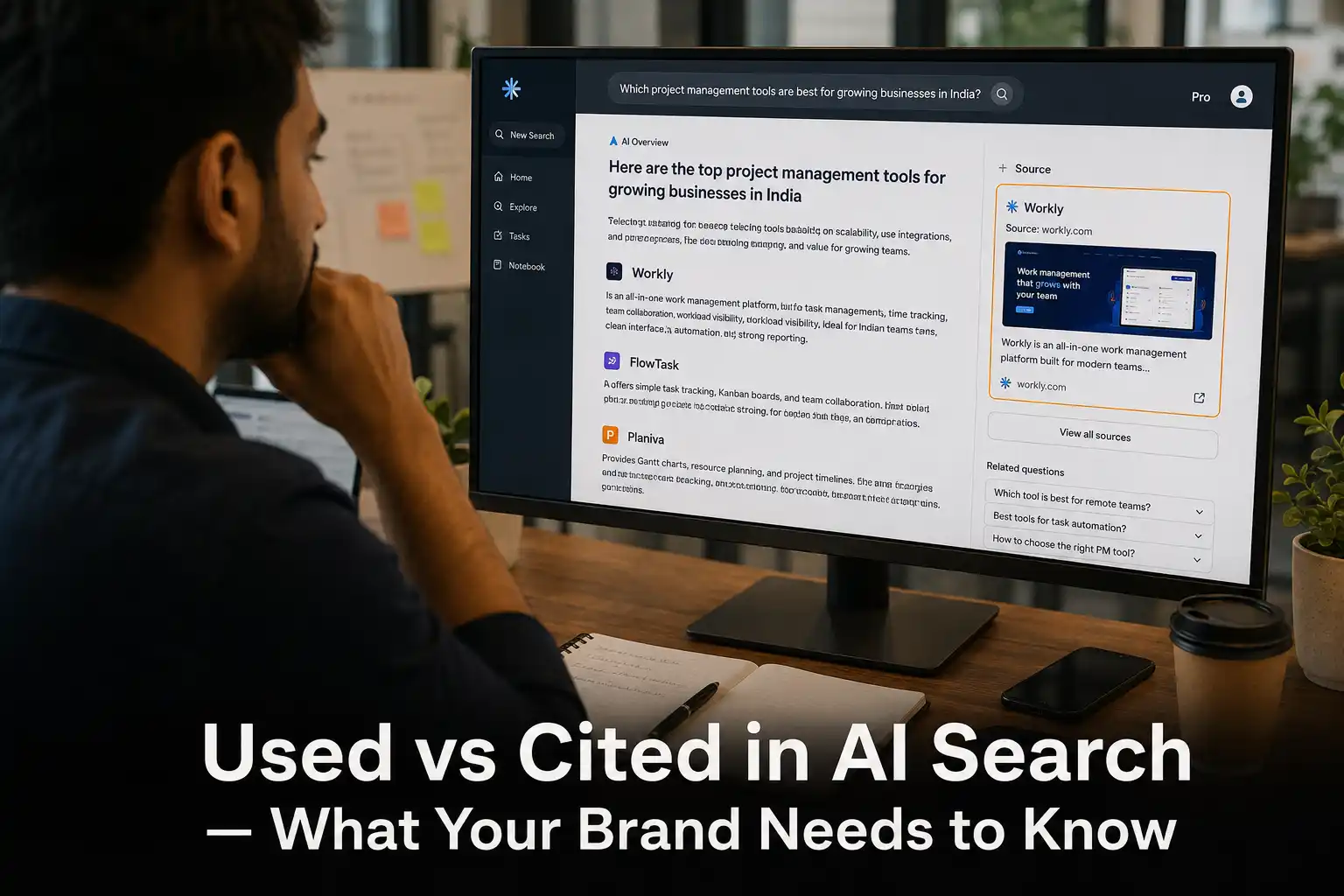
Used vs Cited in AI Search — What Your Brand Needs to Know AI search has quietly split brand visibility…

Category Framing: Why AI Recommends Some Brands Over Others Category framing is quietly deciding which brands show up when someone…

Why Your SEO Strategy Needs Less Content — What the Data Says Your SEO strategy probably has a publishing problem,…
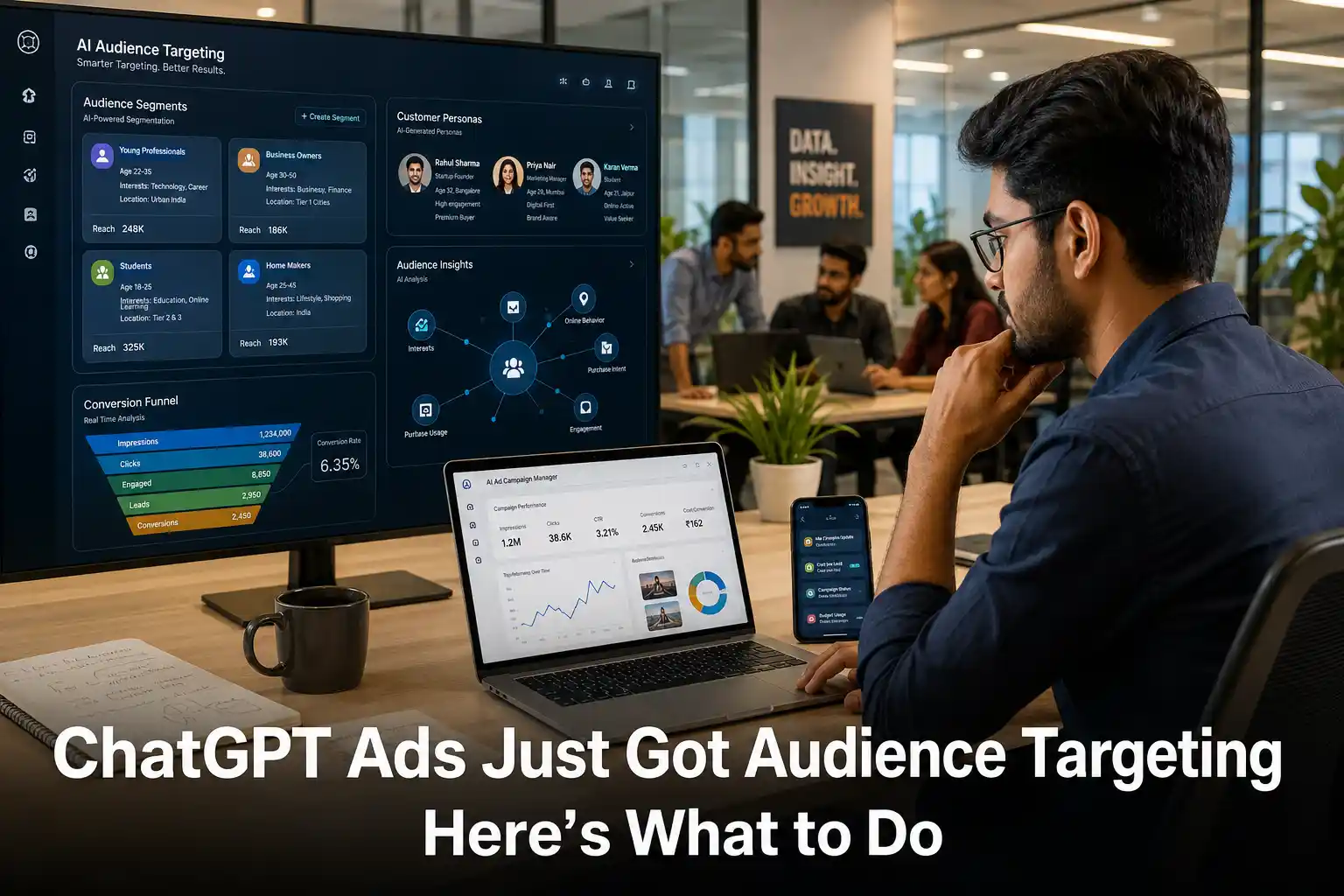
ChatGPT Ads Just Got Audience Targeting – Here’s What to Do ChatGPT Ads became a self-serve advertising platform on July…
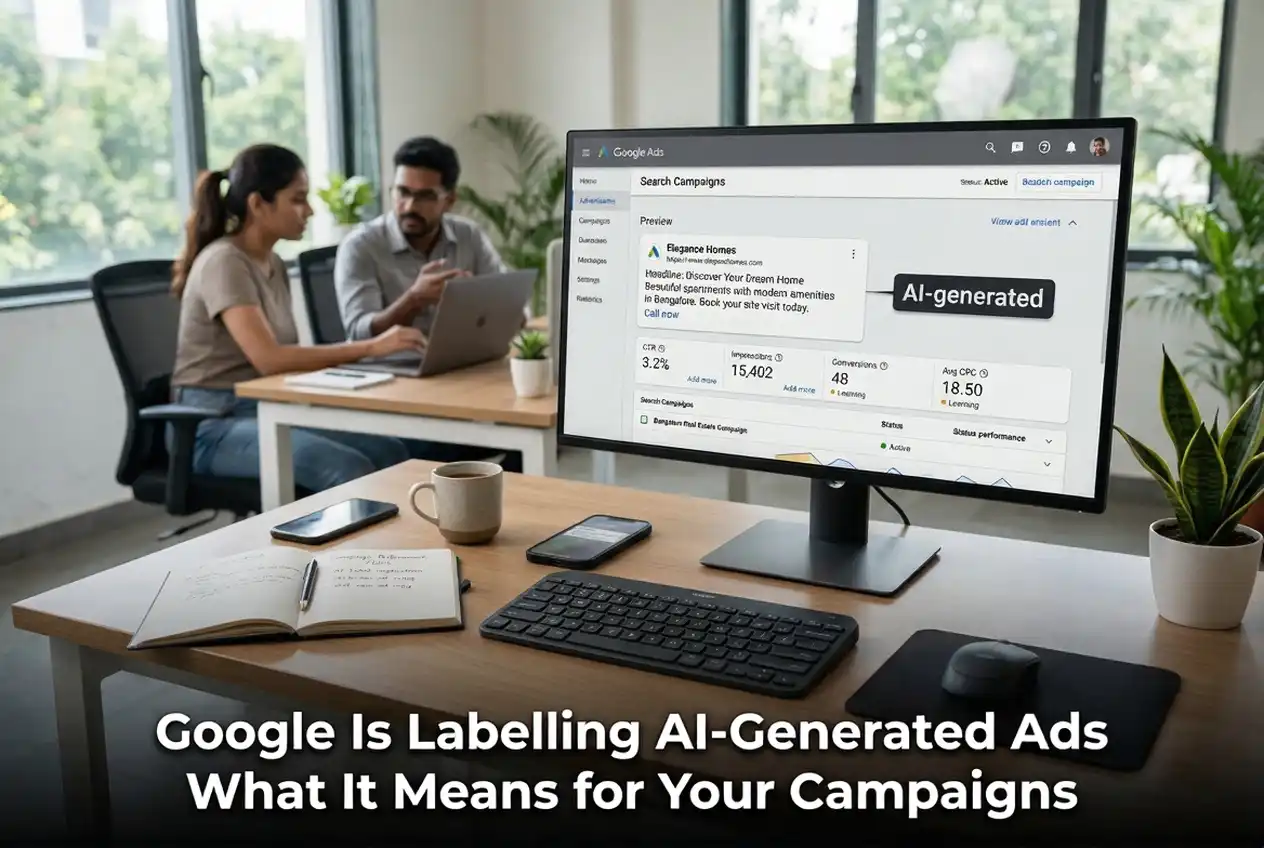
Google Is Labelling AI-Generated Ads — What It Means for Your Campaigns AI-generated ads across Google Search, YouTube, and Discover…