
Google Display Ads Are Moving to Demand Gen – What to Do
Google Display Ads Are Moving to Demand Gen – What to Do Google Display Ads are moving into Demand Gen,…

AI search has quietly split brand visibility into two very different outcomes, and most businesses have no idea which one they’re actually achieving. The first is being used — where an AI tool pulls from your content to generate an answer but never mentions your name. The second is being cited — where the AI explicitly references your brand, links to your website, or names you as a source. Both matter. They serve different purposes, reach different audiences, and require different strategies to win. Understanding the difference is now one of the most important things a business can do for its visibility in 2026, because optimising for one without understanding the other means leaving significant reach on the table.
Being used means AI systems incorporate your content into generated responses regardless of whether the user sees your name or clicks through to your website. Your page might sit behind every answer an AI tool gives about your industry — your research, your data, your frameworks all feeding the model’s output — but your brand never surfaces. No name, no link, no recommendation. This happens more often than most businesses realise. AI tools can draw from a page as supporting material without ever naming the brand behind it. Not worthless, but limited. It signals that your content is credible enough for AI systems to trust. What it doesn’t generate is direct traffic, brand recall, or competitive differentiation in the mind of the person reading the answer.
Being cited is the outcome most businesses chase when they invest in GEO and AEO, and for good reason. Perplexity carries the highest citation rate among major AI platforms, always provides source attribution, and offers the most accessible path for niche sites. ChatGPT’s 81.84% market share means visibility there reaches the largest audience. When your brand earns a citation, it appears by name in the answer. Users see you as a recommended source and click through with intent already formed. LLM visitors convert at 15.9% from ChatGPT and 10.5% from Perplexity, compared to a 1.76% organic search conversion rate. That gap alone explains why citation is worth fighting for. A visitor arriving from an AI citation is not browsing — they are evaluating, and they already trust the source that sent them your way.
About 85% of brand mentions in AI search come from third-party pages, not brand-owned sites. Brands are 6.5x more likely to earn citations through third-party sources than through their own domains. Most businesses fall into this gap by optimising their website, publishing on their own blog, and wondering why AI tools never mention them by name. AI search is primarily a third-party game. When a buyer asks ChatGPT which brand to trust for a specific service, the answer draws from industry publications, analyst reports, consumer reviews, trade press, and earned media — not your homepage. Brand web mentions correlate 3x more strongly with AI Overview visibility than backlinks do. Your off-site presence — G2 reviews, Reddit threads, press coverage, industry listicles — is the primary lever for moving from used to cited.
Winning the used layer means making your content as easy as possible for AI systems to extract and incorporate. FAQ sections carry the highest citation probability of any content format at 81%. Lists, tables, and step-by-step guides generate 2.5x higher citation probability than paragraph-only content. Adding statistics and source citations pushes citation rates up by 40% more. Structure every important page with a direct answer in the first one to two sentences after each heading. Add schema markup, implement llms.txt, and keep your technical layer clear so AI crawlers can read your content without hitting walls. Sort out the on-site structure and AI tools will pull from your pages consistently, even when they do not name you.
Winning the cited layer means shifting focus off your own website and onto the broader ecosystem where AI tools look for brand signals. Distributing content across a wide range of publications can increase AI citations by up to 325%. Guest posts on authoritative industry blogs, expert quotes in press coverage, appearances in industry roundups, and active participation in communities like Reddit all build the third-party signal stack AI tools use when deciding which brands deserve a named recommendation. Between 40% and 60% of cited sources change month-to-month across Google AI Mode and ChatGPT. That volatility means citation is not a one-time win — it demands consistent presence across multiple channels rather than a single optimisation effort left to run on its own.
GEO is 80% strategic — positioning, ecosystem presence, brand authority — and only 20% technical. Brands that win both layers combine strong on-site structure with serious off-site brand building. Easy-to-extract content, mentions spread across publications AI tools trust, and entity signals that stay consistent across every platform — these three things together are what citation authority looks like in practice. Measuring both outcomes separately matters too. Track citation frequency alongside answer inclusion rate, because conflating the two leads to optimising for the wrong thing. 92% of marketers plan to optimise for AI search but only 40.6% are currently doing so. That gap is your window. Brands that close it first build citation authority that compounds over time, exactly the way domain authority did in the early days of SEO.
Yes. An AI tool can name your brand as a recommendation based on third-party signals without directly pulling content from your website. This is why off-site presence matters as much as on-site content in AI search.
Perplexity has the highest citation rate among major platforms and always provides source attribution. ChatGPT reaches the largest audience. For enterprise B2B, Google AI Overviews matter most since they integrate into existing search behaviour.
Expect 4 to 6 months for measurable results with organic GEO strategies. Citation authority builds over time through consistent content, off-site presence, and entity signals rather than through quick fixes.
Yes. 76.1% of URLs cited in Google AI Overviews also rank in the top 10 of traditional search results. Strong traditional SEO remains the foundation, but AI search draws from a wider source pool that rewards content depth and off-site citation presence alongside ranking position.
Run test queries relevant to your industry in ChatGPT, Perplexity, and Google AI Mode. If the answers reflect your content’s ideas and frameworks but never mention your brand, you are in the used layer without citation. That gap is the starting point for your GEO strategy.
Most businesses in 2026 are somewhere in the used layer of AI search without knowing it. Their content feeds answers their potential customers read every day, but their brand never gets the credit. Closing that gap — moving from used to cited — requires a different approach than traditional SEO. It demands off-site brand building, entity consistency, structured content, and a presence across the third-party sources AI tools actually trust. If you are not sure whether your brand is being used, cited, or neither in AI search, Turnihi Tech Solutions helps businesses audit their AI visibility and build the kind of brand presence that earns recommendations — not just traffic.
Share Post:

Related Post
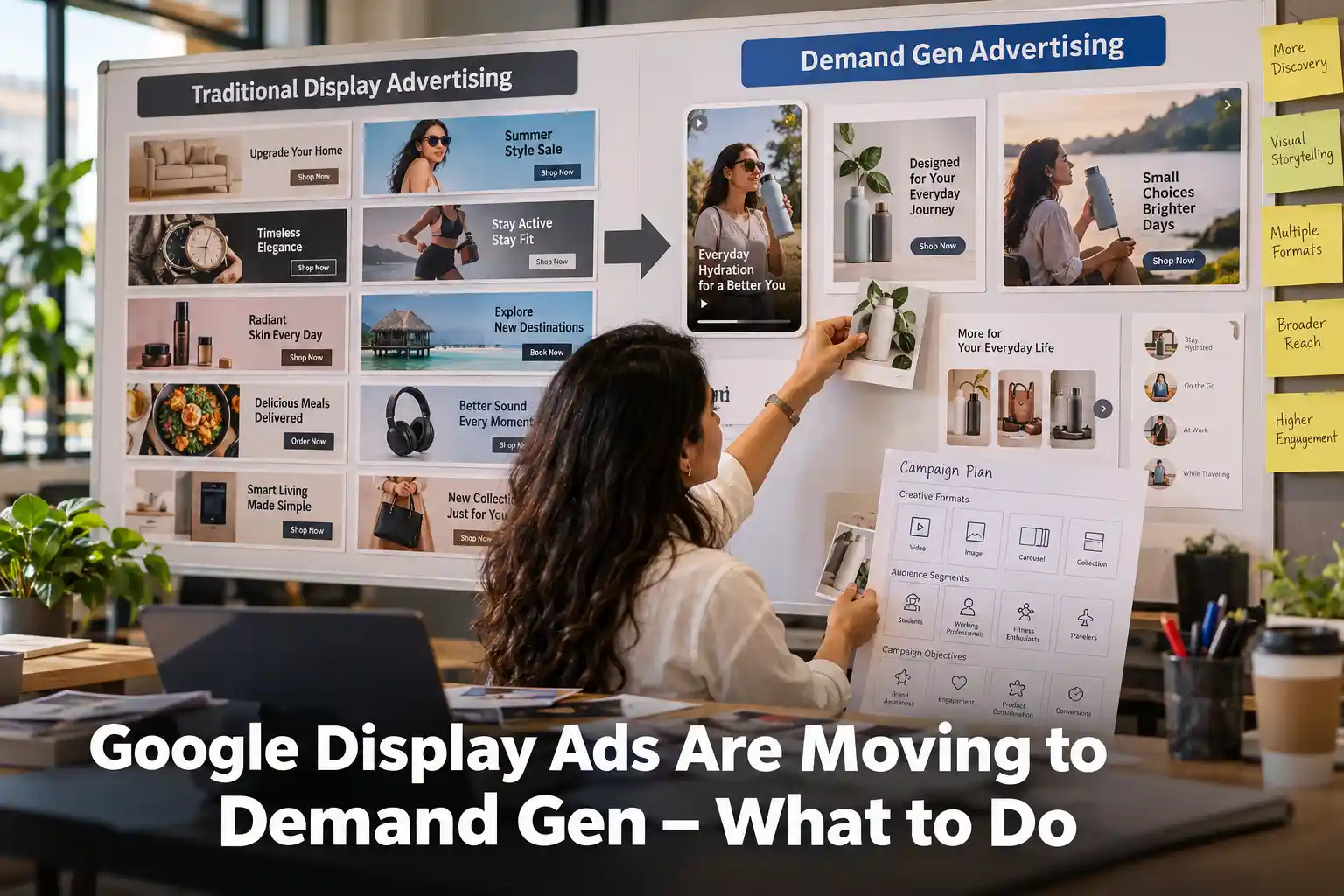
Google Display Ads Are Moving to Demand Gen – What to Do Google Display Ads are moving into Demand Gen,…
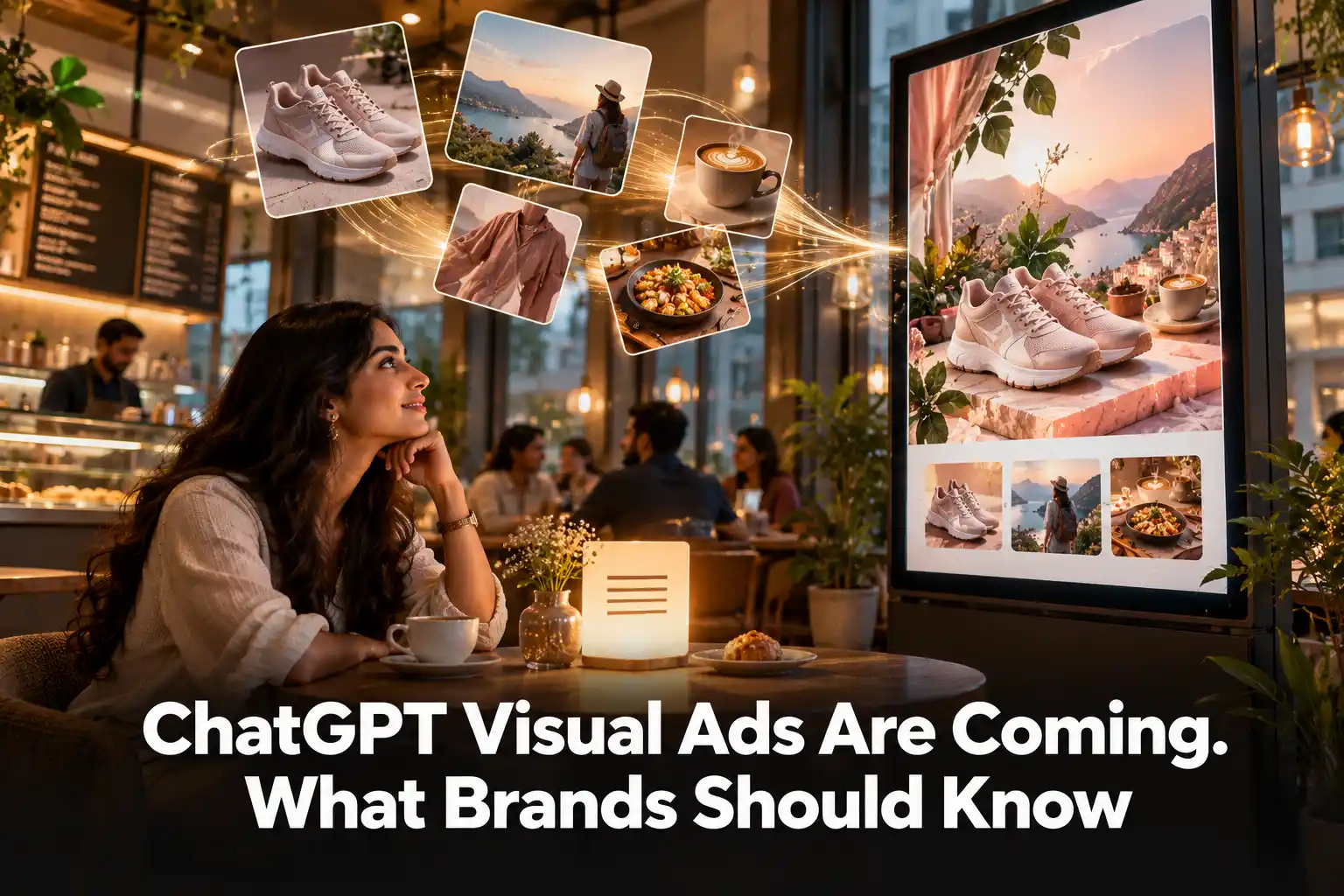
ChatGPT Visual Ads Are Coming. What Brands Should Know Ask ChatGPT to create an image, and you may soon see…
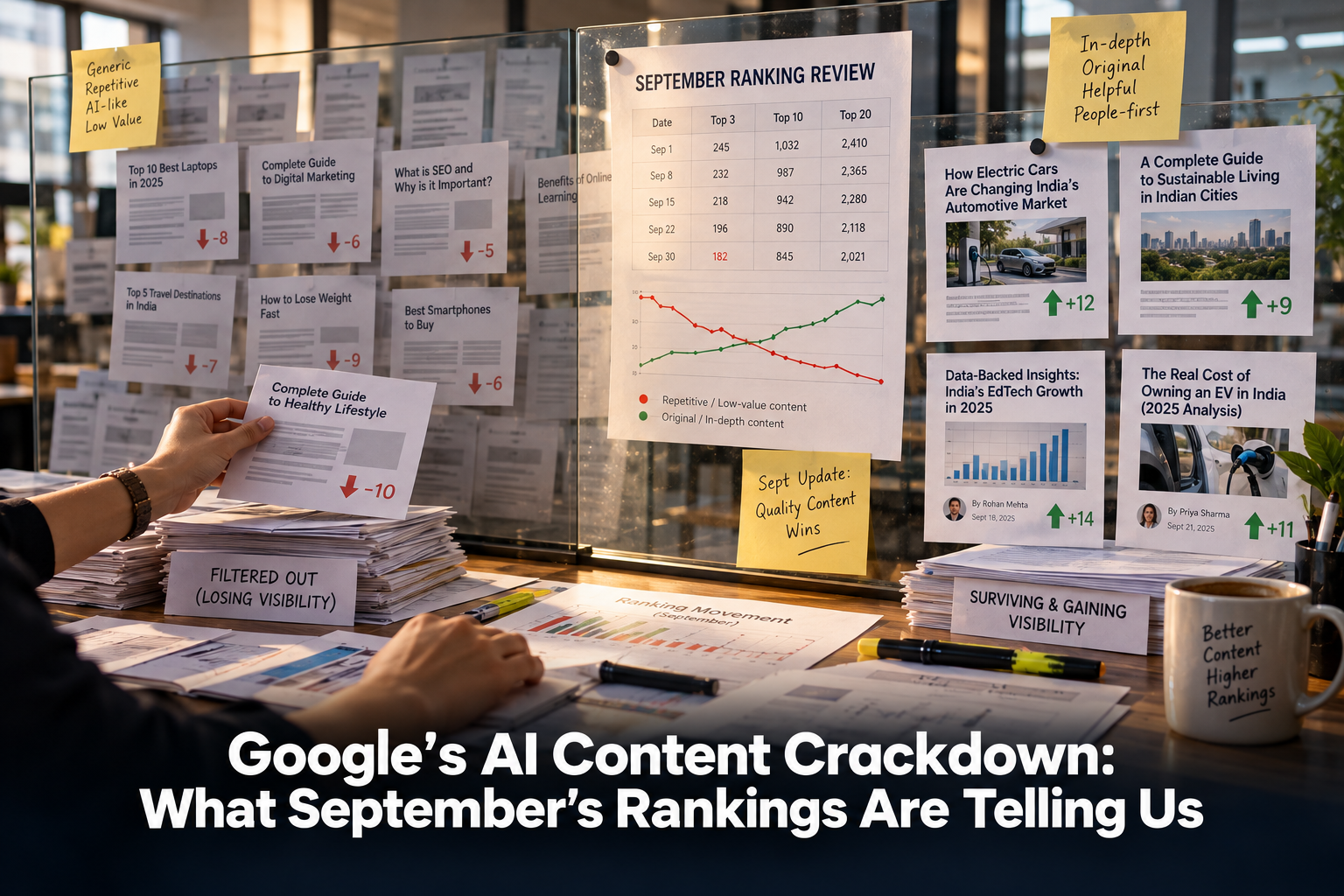
Google’s AI Content Crackdown: What September’s Rankings Are Telling Us Google’s AI content crackdown became one of the most talked-about…
Google Is Moving Your Ads to AI Max — Here’s What to Do AI Max is Google’s newest bid to…
Gemini 3.7 Flash Is Upgrading Google AI Mode — What to Do Gemini 3.7 Flash arrived inside Google AI Mode…
Category Framing: Why AI Recommends Some Brands Over Others Category framing is quietly deciding which brands show up when someone…
Why Your SEO Strategy Needs Less Content — What the Data Says Your SEO strategy probably has a publishing problem,…
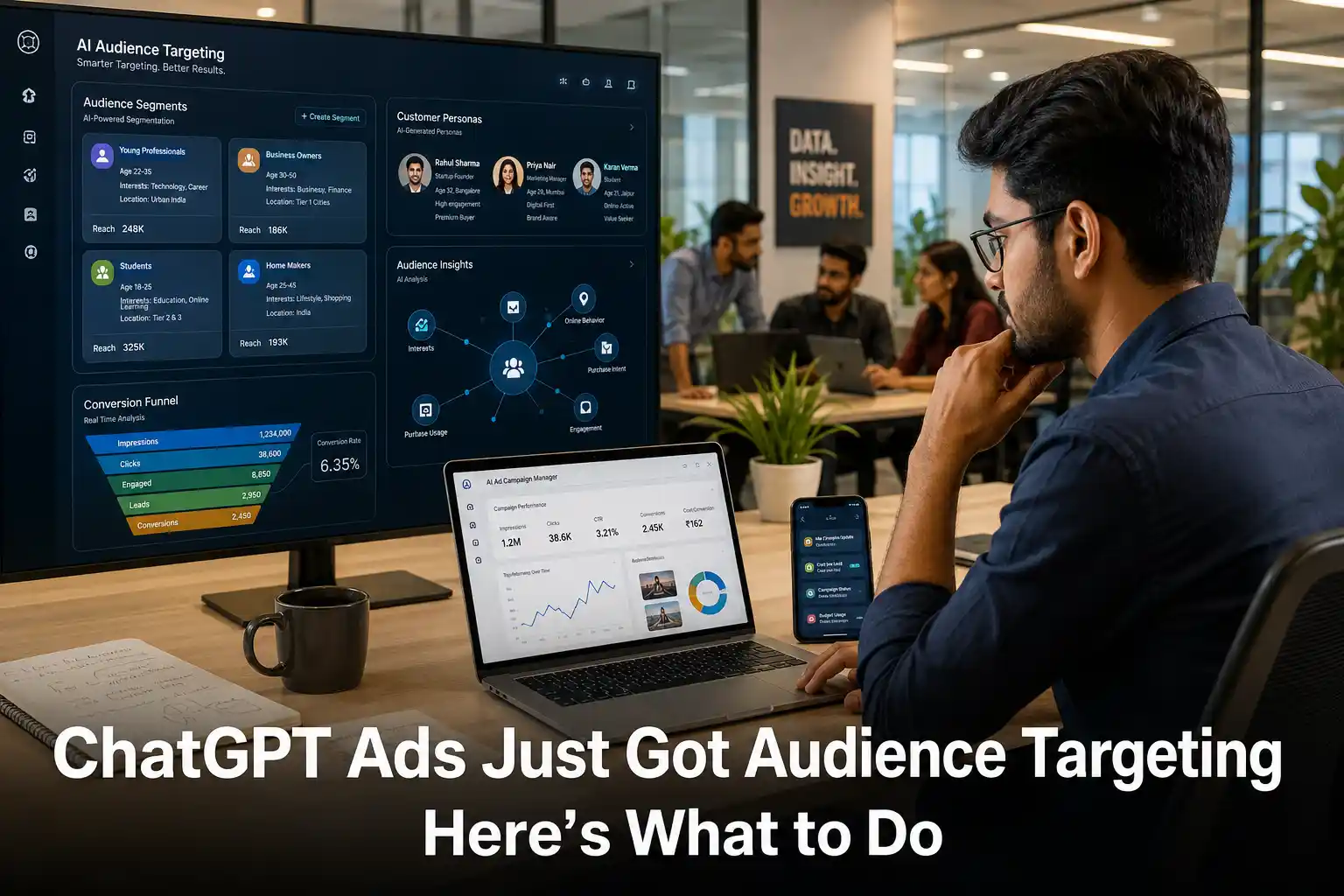
ChatGPT Ads Just Got Audience Targeting – Here’s What to Do ChatGPT Ads became a self-serve advertising platform on July…
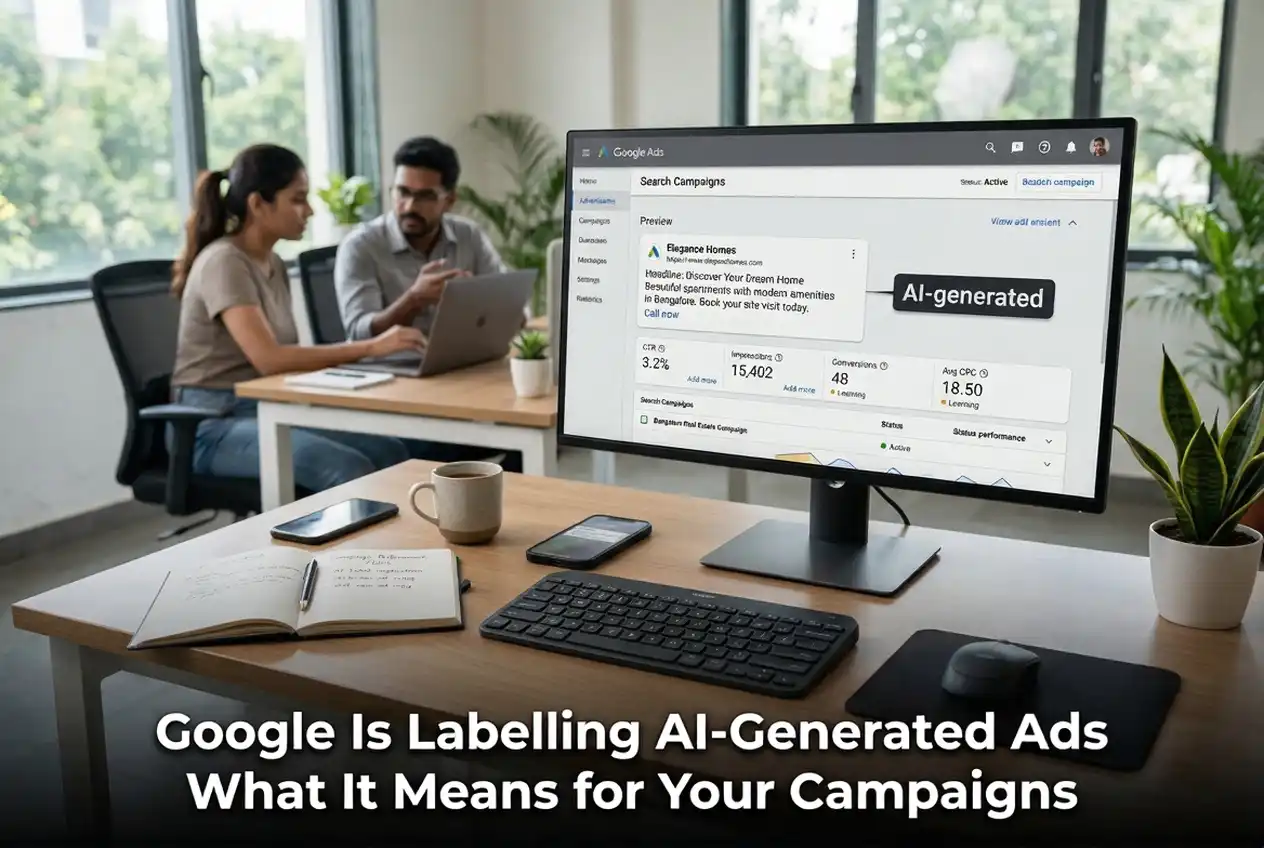
Google Is Labelling AI-Generated Ads — What It Means for Your Campaigns AI-generated ads across Google Search, YouTube, and Discover…
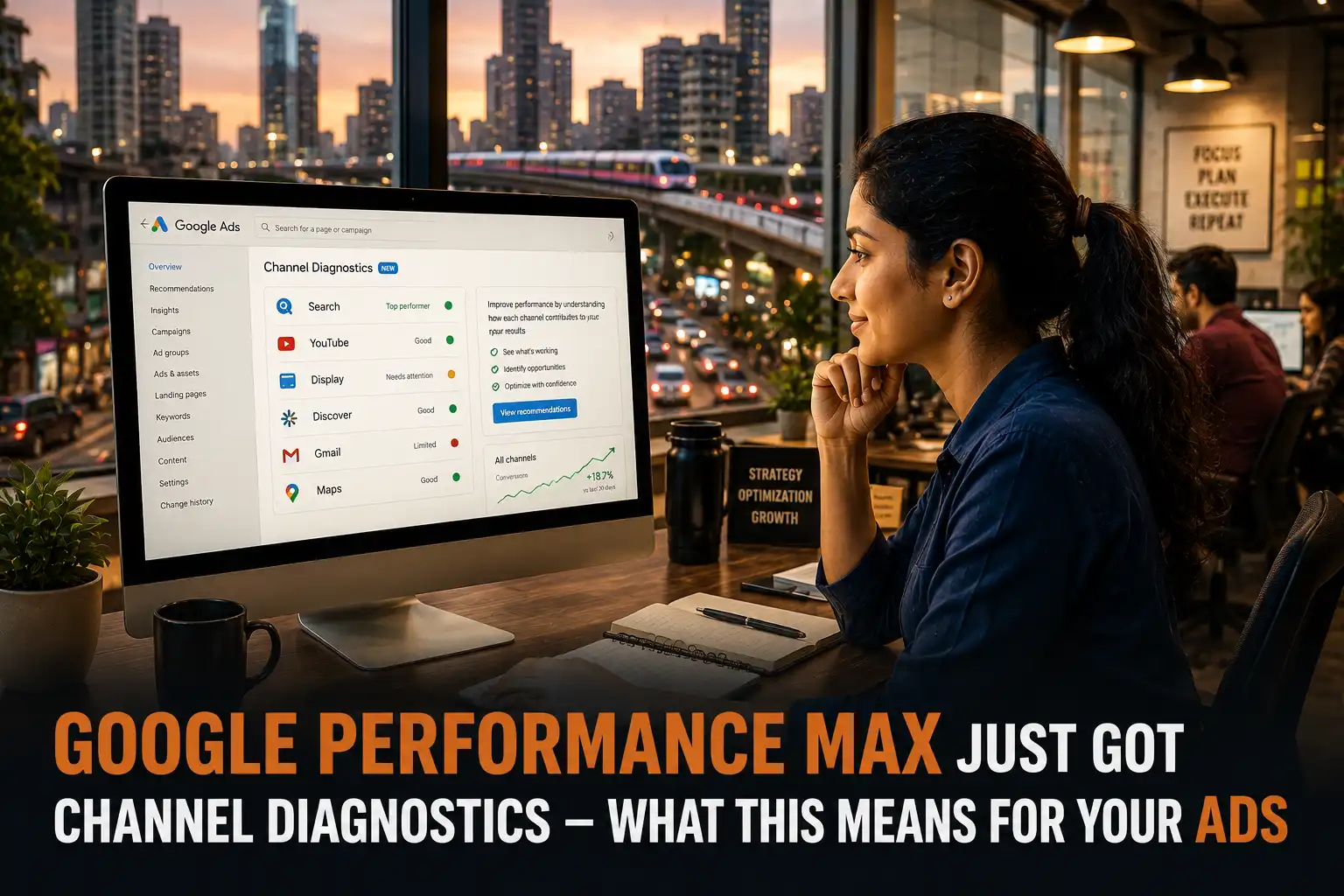
Google Performance Max Just Got Channel Diagnostics — What This Means for Your Ads Google Performance Max campaigns just became…