
Google Is Moving Your Ads to AI Max — Here’s What to Do
Google Is Moving Your Ads to AI Max — Here’s What to Do AI Max is Google’s newest bid to…

Google’s AI content crackdown became one of the most talked-about SEO stories of the past month, and if your rankings dipped after the August 2026 spam update, you’re probably wondering whether your content strategy is to blame. The short answer: it depends on how your content was made, not whether AI touched it at all.
Since the update rolled out, agency reports and Search Console data have pointed to the same trend — sites publishing bulk, lightly-edited AI content took the biggest hits, while sites using AI as part of a human-reviewed workflow largely held steady. That distinction is now the center of the conversation this September, as marketers try to separate real penalties from normal post-update noise.
Here’s what August and September’s rankings actually show, and what it means for your content strategy going forward.
It started with the August 2026 spam update. The data afterward wasn’t subtle — a lot of previously top-10 pages dropped clean out of the top 100, and volatility spiked well above what you’d normally expect. Sites that had leaned hard into AI-assisted content production got nervous, understandably.
But here’s the thing: this wasn’t confined to one niche or content type. It hit broadly. That spread is usually a sign of something systemic rather than a targeted strike.
This is the part people keep getting wrong. Once analysts started digging through post-update rankings, the consensus that emerged wasn’t “Google hates AI writing.” It was narrower than that. What got hit was mass-produced content — pages pushed out at scale with barely any human editing or added value behind them.
Plenty of sites using AI as one part of a properly reviewed workflow didn’t move much at all. Meanwhile, sites dumping bulk AI output with minimal touch-ups saw real drops. Google’s systems, it seems, are getting sharper at telling the difference between volume publishing and actual quality — not just sniffing out AI usage itself.
So if you lost rankings in mid-to-late August, don’t jump straight to “AI content is banned now.” Look instead at how that content got made and how much human review it actually went through.
By September things had settled into a clearer pattern. The spam update officially closed out on August 21, though rankings kept shifting for a while after — which tends to happen as Google’s systems finish recalibrating post-rollout. There was also a smaller, unconfirmed shake-up around September 4 that mostly reversed by the 13th. Worth remembering: not every wobble in your rankings means a new penalty just landed.
At the same time, AI Overviews kept expanding, sometimes stretching into a full AI Mode response by default for certain searches. That pushes regular organic results further down the page. So it can feel like you lost a ranking when really you just lost visibility — your position didn’t move, but the page above it got bigger.
If you’re not sure where your site stands, here’s a practical starting point.
Look at your publishing pace and how much editing actually happens. Bulk content with thin review is the riskiest category right now, full stop.
Pull your Search Console data against the key dates. August 5–6, August 21, and September 4 are worth checking specifically to see whether any of these movements even apply to your site.
Check the AI performance report in Search Console. It’s rolled out more widely now and shows how AI-driven search surfaces treat your pages separately from standard organic rankings.
Lean into content with real substance. Original insight, actual data, first-hand experience — this kind of content tends to survive these updates far better than templated AI output ever does.
Don’t panic over short-term noise. Some of this volatility settles on its own. Give it a week or two before making any big content decisions.
Not exactly. What the August 2026 update actually seems to target is mass-produced, low-oversight AI content — not AI-assisted writing across the board. Content that’s been properly reviewed and edited has mostly held its ground.
Post-update volatility often hits sites regardless of content type. It’s also possible you’re seeing an AI Overview pushing your listing lower, not an actual drop in ranking position.
Start with your publishing volume and editing depth. If you’re pushing out bulk content with little human review, that’s the highest-risk zone right now.
Nothing’s confirmed. The shift around September 4 mostly reversed by the 13th, which points more toward temporary noise than a fresh update.
Use AI where it’s useful, but keep real human editing, original insight, and quality control in the loop. Publishing AI output at scale without review is where sites get burned.
Google’s AI content crackdown isn’t really about banning AI-assisted writing — it’s about filtering out low-effort content that skips human oversight entirely. September’s numbers back this up: sites pairing AI efficiency with genuine editorial input are coming through these updates in much better shape than the ones chasing pure volume. If bulk AI output is still driving your content strategy, this is the moment to shift toward quality-first publishing, before the next update tightens things further.
If you’re not sure whether your own content or SEO setup is holding up under these shifts, this is exactly the kind of audit Turnihi Tech Solutions handles — content quality, technical SEO, and AI visibility reviewed together, so you’re not left guessing.
Share Post:

Related Post

Google Is Moving Your Ads to AI Max — Here’s What to Do AI Max is Google’s newest bid to…

Gemini 3.7 Flash Is Upgrading Google AI Mode — What to Do Gemini 3.7 Flash arrived inside Google AI Mode…

Used vs Cited in AI Search — What Your Brand Needs to Know AI search has quietly split brand visibility…

Category Framing: Why AI Recommends Some Brands Over Others Category framing is quietly deciding which brands show up when someone…

Why Your SEO Strategy Needs Less Content — What the Data Says Your SEO strategy probably has a publishing problem,…

ChatGPT Ads Just Got Audience Targeting – Here’s What to Do ChatGPT Ads became a self-serve advertising platform on July…
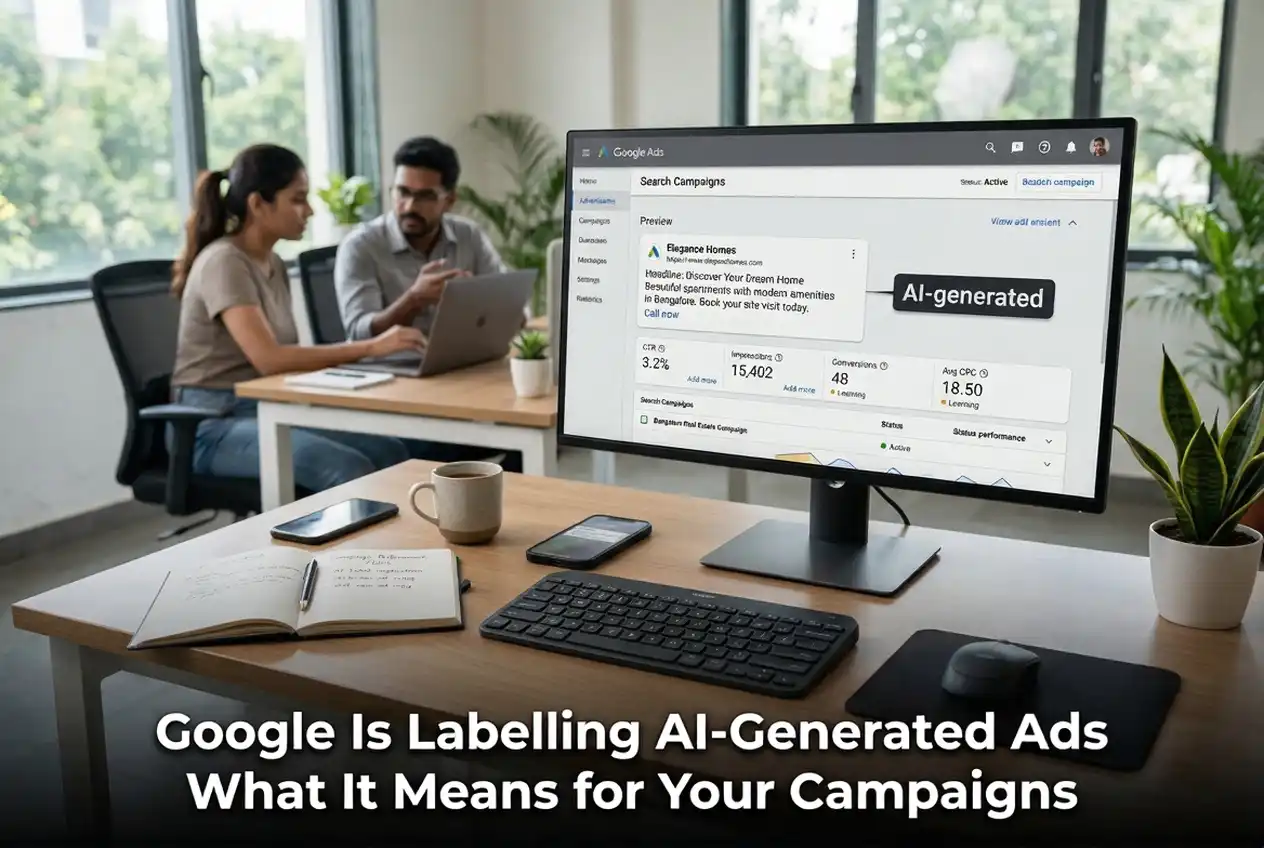
Google Is Labelling AI-Generated Ads — What It Means for Your Campaigns AI-generated ads across Google Search, YouTube, and Discover…


Google Performance Max Just Got Channel Diagnostics — What This Means for Your Ads Google Performance Max campaigns just became…

Reddit Is Now an SEO and AI Visibility Channel for Businesses Reddit SEO is no longer something only tech-savvy marketers…

Google’s AI Spam Policy Is Live — Is Your GEO Strategy Safe? Google’s AI spam policy now officially classifies attempts…
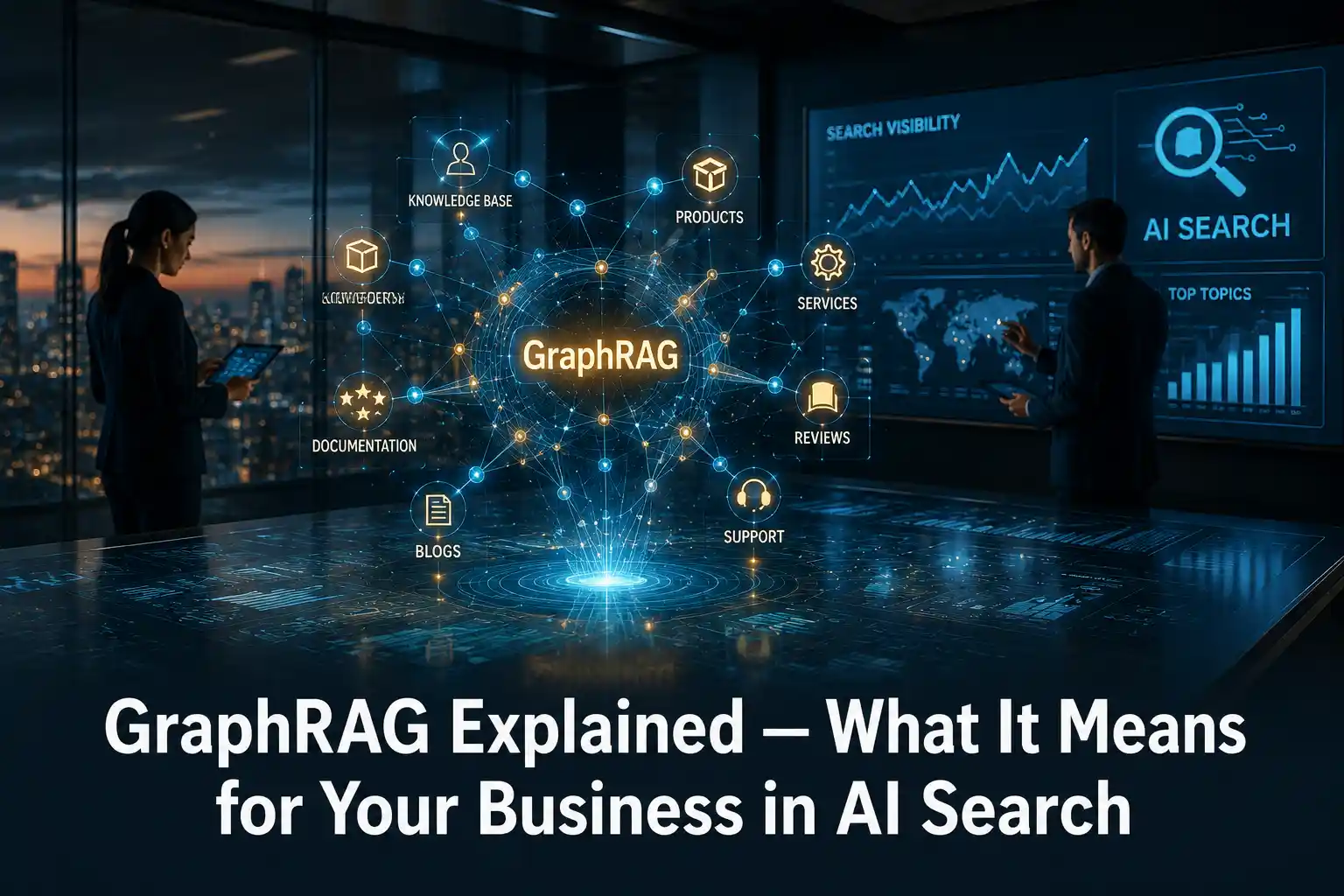
GraphRAG Explained – What It Means for Your Business in AI Search GraphRAG is quietly changing the way AI tools…