Website Design for AI Mode: What Changes After Gemini 4 Argon
Website Design for AI Mode: What Changes After Gemini 4 Argon Website design for AI Mode is the practice of…

Google Performance Max campaigns just became a little less of a black box. Google has rolled out a new Channel Diagnostics feature inside Performance Max, and if you manage ad spend, this update deserves your attention. For years, marketers complained that Performance Max hid too much. You could see results, but not the “why” behind them. You’d watch conversions dip and have no real way of knowing whether it was the creative, the targeting, or something as small as a rejected image sitting quietly in the background. That guessing game has been one of the biggest frustrations with the platform, and it’s exactly why this update matters. Channel Diagnostics doesn’t just add another report to your dashboard, it changes how much control advertisers actually have over their Performance Max campaigns.
Channel Diagnostics lives inside the Insights & Reports section, under Channel Performance, in your Performance Max campaigns. In simple terms, it tells you what’s stopping your ads from showing up the way they should. Missing headlines, rejected images, or weak descriptions no longer stay hidden. Instead of guessing, you now get a clear picture of what’s wrong and where.
You can view diagnostics across all channels at once, or drill into a single channel like Search, Display, YouTube, Gmail, or Maps. That’s a big shift. Before this, Performance Max bundled everything together, and advertisers rarely knew if their budget was underperforming on Display while doing fine on Search. Now, that fog is lifting.
Let’s be honest. Performance Max has always had a reputation problem. It automates so much that advertisers often feel like they’ve handed over the wheel completely. This is exactly the gap Channel Diagnostics fills. It doesn’t just show performance numbers, it shows the reason behind gaps in performance. If your campaign isn’t showing on Maps, the tool might reveal that your store locations are missing. If Search delivery is weak, it could flag that your landing pages don’t match user intent closely enough. This level of transparency has been one of the most requested features from advertisers running Google Performance Max campaigns over the past year.
Once you open the diagnostics panel, you get a combined view of issues across every channel in your Performance Max campaign, along with the option to isolate a single channel like YouTube or Discover. The tool also flags problems at the asset level, so you know exactly which headline, description, or image needs fixing, and it notes any eligibility issues that may be limiting how often your ads serve. This isn’t just a reporting dashboard. It’s an action list. You know precisely what to fix, and you can go fix it without waiting for a support ticket or a third-party audit tool.
If you’re running Performance Max campaigns right now, here’s what to actually do with this update. Start by checking your diagnostics panel weekly. Assets get disapproved more often than people realise, especially images and video creative, and a quick weekly glance can catch issues before they quietly eat into your budget for days.
It also helps to stop treating Performance Max as fully automated. Google is signalling, through this update and several others rolled out over the past year, that advertisers are expected to stay involved. Channel-level timelines, placement reporting, and now diagnostics all point the same direction. Google wants marketers actively managing Performance Max, not just switching it on and walking away.
Use this data to inform your creative strategy too. If diagnostics repeatedly flag missing video assets for YouTube, that’s your cue to invest in short-form video. If Search keeps flagging landing page relevance, it might be time to build channel-specific landing pages instead of sending all traffic to one generic page. And keep in mind this feature is still in a phased rollout. Not every advertiser will see it in their account yet. If you don’t see it today, check again in the coming weeks, since Google has been expanding access gradually since early July 2026.
Not yet. The feature is being rolled out gradually, and some accounts may not see it immediately. Google has been expanding availability since its introduction in July 2026.
Go to Insights & Reports, then Channel Performance, inside your Performance Max campaign. The diagnostics section sits within that view.
No. It identifies problems, such as missing or disapproved assets, but you still need to update the creative or asset yourself.
Channel performance reporting showed you results by channel. Channel Diagnostics goes a step further by explaining why results might be limited on a specific channel.
Yes. Even healthy campaigns can have small asset issues that limit reach on specific channels like Maps or Discover. A quick check helps you capture performance you might otherwise be leaving on the table.
Google Performance Max is slowly shedding its “black box” reputation, and Channel Diagnostics is one of the clearest signs of that shift. Advertisers finally get a direct line of sight into what’s holding campaigns back, channel by channel, asset by asset. If you manage Performance Max campaigns and want help making sense of these diagnostics or turning them into an actual optimisation plan, that’s the kind of hands-on work a team like Turnihi Tech Solutions handles day to day for clients. Staying on top of updates like this is what separates a campaign that runs on autopilot from one that’s genuinely optimised.
Share Post:

Related Post

Website Design for AI Mode: What Changes After Gemini 4 Argon Website design for AI Mode is the practice of…

PHP Hacked: What Your Business Website Needs to Do Right Now PHP hacked means someone has broken into your website…

Google Business Profile Impressions Are Falling: Why Google Business Profile impressions are falling because AI Overviews and zero-click results now…

Google Display Ads Are Moving to Demand Gen – What to Do Google Display Ads are moving into Demand Gen,…

ChatGPT Visual Ads Are Coming. What Brands Should Know Ask ChatGPT to create an image, and you may soon see…

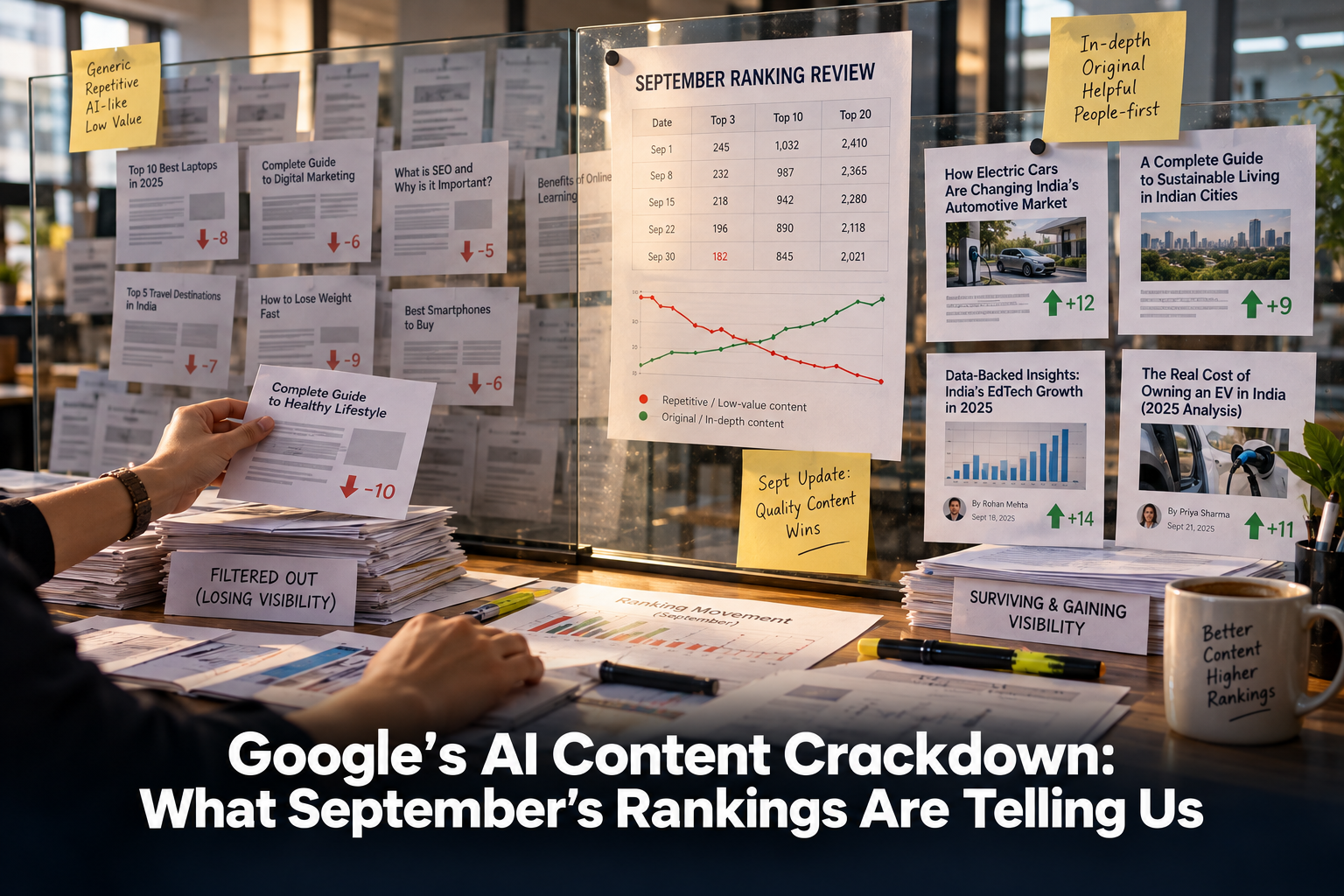
Google’s AI Content Crackdown: What September’s Rankings Are Telling Us Google’s AI content crackdown became one of the most talked-about…

Google Is Moving Your Ads to AI Max — Here’s What to Do AI Max is Google’s newest bid to…

Gemini 3.7 Flash Is Upgrading Google AI Mode — What to Do Gemini 3.7 Flash arrived inside Google AI Mode…

Used vs Cited in AI Search — What Your Brand Needs to Know AI search has quietly split brand visibility…

Category Framing: Why AI Recommends Some Brands Over Others Category framing is quietly deciding which brands show up when someone…

Why Your SEO Strategy Needs Less Content — What the Data Says Your SEO strategy probably has a publishing problem,…