
Google’s AI Content Crackdown: What September’s Rankings Are Telling Us
Google’s AI Content Crackdown: What September’s Rankings Are Telling Us Google’s AI content crackdown became one of the most talked-about…

ChatGPT Ads became a self-serve advertising platform on July 22, 2026, when OpenAI opened its Ads Manager to advertisers, letting businesses create campaigns, set budgets, and target ChatGPT users based on conversational context rather than just search keywords. And just weeks before the full platform launch, OpenAI quietly added something even more significant. Custom audience targeting landed in ChatGPT ads on July 9, letting advertisers upload their own customer lists to reach or suppress specific users directly inside the platform. If you have been watching ChatGPT grow and wondering when it would become an advertising channel your business needs to take seriously, that moment has arrived. The question now is not whether to pay attention. It is what to do first.
Before getting into the targeting specifics, it helps to understand how ChatGPT ads work at a basic level. Two ad formats are currently live. The first is a shopping product carousel that appears beneath ChatGPT’s response when a user asks about products or shopping. OpenAI has made three specific commitments around ChatGPT ads: they carry clear labels, they run on separate systems from ChatGPT’s answers, and users retain choice and control over how their data feeds ad targeting. ChatGPT ads currently appear only for logged-in adult users on the Free and Go tiers. Users on Plus, Pro, Business, Enterprise, and Education plans see no ads at all. That free-tier audience is not small. ChatGPT reached roughly 900 million weekly active users in 2026, and even a fraction of that base represents an addressable audience most publishers would consider enormous.
This is the update that changes the game for serious advertisers. OpenAI added custom audience targeting to ChatGPT ads, letting advertisers upload email and phone lists to reach specific customers — the same first-party data method already used on Google and Meta. Custom audiences let advertisers upload lists of 25,000 or more users and either target or suppress them, with bid multipliers available at the ad group level. The setup is straightforward. Inside the Ads Manager, under Audiences, advertisers create an audience, upload a CSV or TXT file with emails or phone numbers, and the platform matches the list against its users. Once processing completes, the audience shows as ready with an approximate count of matched users. One thing to set realistic expectations around: match rates will be partial — only the people whose details match a ChatGPT account get found. Expect a portion of your list to match, not all of it. OpenAI recommends audiences of at least 100,000 users to get meaningful results, which signals this feature suits larger businesses and agencies more than very small advertisers right now.
The most important thing to understand about ChatGPT ads is that they sit inside a conversation, not a search results page. When someone asks ChatGPT a question, they are in research mode. They are actively thinking through a problem or a purchase. That context makes the ad placement fundamentally different from a banner impression or even a Google Search ad. Early case studies cited by OpenAI include Best Buy, Lowe’s, and VistaPrint, with Best Buy’s VP of Media framing the platform as meeting customers in those moments of research and decision-making that now increasingly happen inside a chat window instead of a search bar. That framing captures exactly why ChatGPT ads deserve attention beyond novelty. The intent signal behind a ChatGPT conversation is often stronger than a keyword query. People ask ChatGPT detailed, considered questions. An ad that appears in that context reaches someone who is already engaged and thinking.
Beyond custom audiences, OpenAI rolled out several other updates to ChatGPT ads in July including suggested ad drafts that pre-fill creative from advertiser information, a refreshed ad card format, a new account overview tab, and campaign targeting for Japan and South Korea. The AI ad generation tool lets ChatGPT suggest ad variations for brands to review and approve, though advertisers have flagged a glitch where accepting one suggested ad sends every ad in the group back into review. The platform is clearly still maturing. Early adopters will encounter rough edges. But the core infrastructure — campaign creation, budget controls, audience targeting, and AI-assisted creative — is already functional. ChatGPT ad penetration reached 51% of US replies by early July 2026, which means more than half of ChatGPT responses in the US already sit alongside ads. The platform is live and active, not experimental.
Start by deciding whether ChatGPT ads fit your current audience and budget. If your customer base overlaps with ChatGPT’s free-tier users and you can build an audience list of at least 100,000 matched contacts, the custom audience feature gives you a direct path to reaching people already familiar with your brand inside a high-intent environment. If you run an e-commerce business, the shopping carousel format is the clearest entry point. For service businesses, the conversational context of ChatGPT ads suits consideration-stage targeting well. Test with a modest budget first. The platform is new enough that benchmarks for cost per click and conversion rates are still forming. Get in early, gather your own data, and build your understanding of how ChatGPT ads perform for your specific audience before competitors in your space do the same.
OpenAI has confirmed that ads do not influence ChatGPT’s answers. Ads run on separate systems from the chat model itself.
ChatGPT ads currently appear for logged-in adult users on the Free and Go tiers only. Paid subscribers on Plus, Pro, Business, Enterprise, and Education plans see no ads.
Custom audiences require a minimum of 25,000 matched users, though OpenAI recommends at least 100,000 for meaningful campaign performance.
Yes. Custom audiences support both targeting and suppression, letting advertisers exclude existing customers from campaigns aimed at acquiring new ones.
No. Advertisers receive only aggregate performance data. Individual conversations and personal information stay private.
ChatGPT ads moving from experiment to fully operational platform in July 2026 marks a genuine shift in where digital advertising budgets need to go next. The addition of audience targeting brings the platform much closer to the first-party data capabilities advertisers already rely on across Google and Meta. Businesses that get familiar with ChatGPT ads now, while the space is still new and competition for placements is relatively low, will have a meaningful head start as the platform scales. If you want help understanding how ChatGPT ads fit into your wider paid media strategy, Turnihi Tech Solutions works with businesses to evaluate and act on every new advertising channel that matters — so your budget always goes where your audience actually is.
Share Post:

Related Post
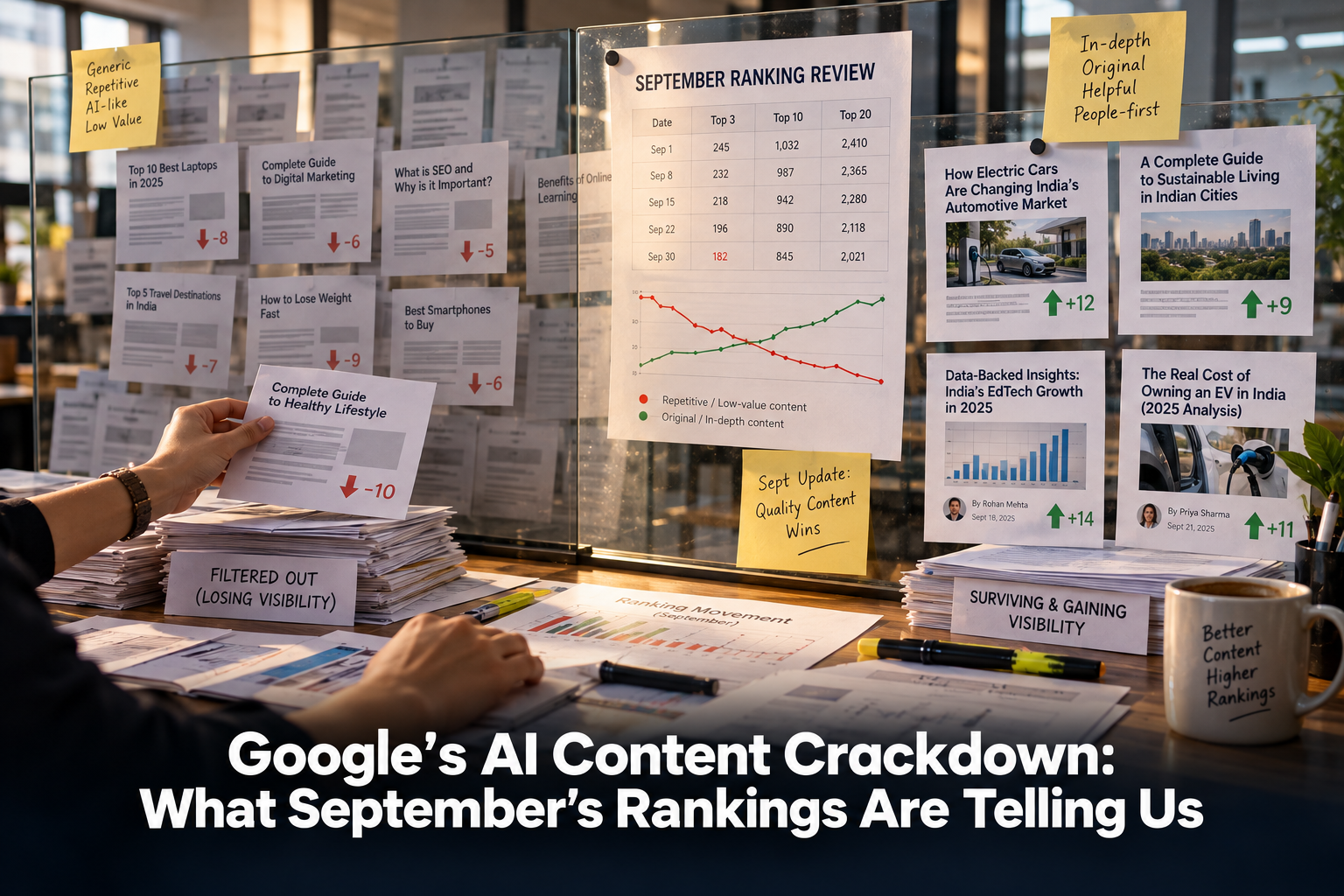
Google’s AI Content Crackdown: What September’s Rankings Are Telling Us Google’s AI content crackdown became one of the most talked-about…
Google Is Moving Your Ads to AI Max — Here’s What to Do AI Max is Google’s newest bid to…

Gemini 3.7 Flash Is Upgrading Google AI Mode — What to Do Gemini 3.7 Flash arrived inside Google AI Mode…

Used vs Cited in AI Search — What Your Brand Needs to Know AI search has quietly split brand visibility…
Category Framing: Why AI Recommends Some Brands Over Others Category framing is quietly deciding which brands show up when someone…

Why Your SEO Strategy Needs Less Content — What the Data Says Your SEO strategy probably has a publishing problem,…
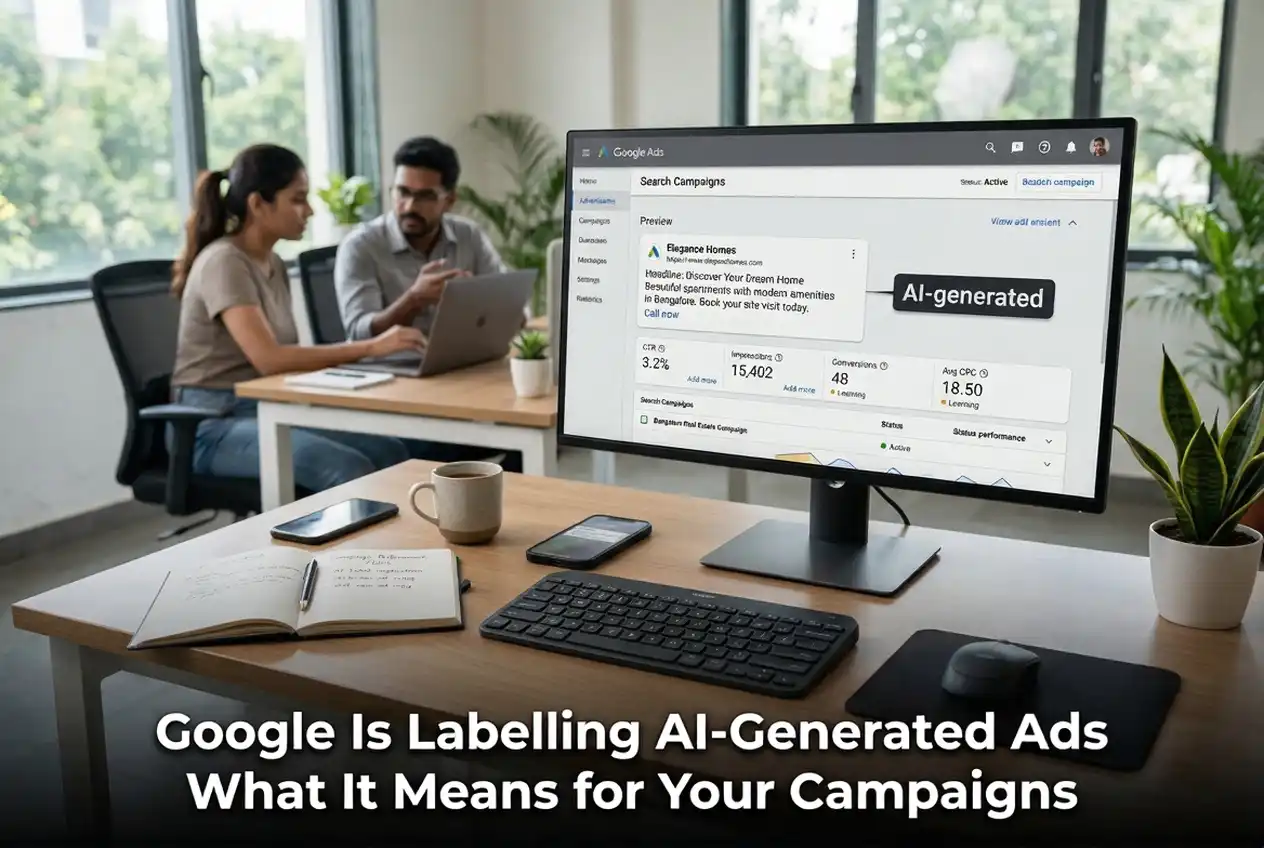
Google Is Labelling AI-Generated Ads — What It Means for Your Campaigns AI-generated ads across Google Search, YouTube, and Discover…

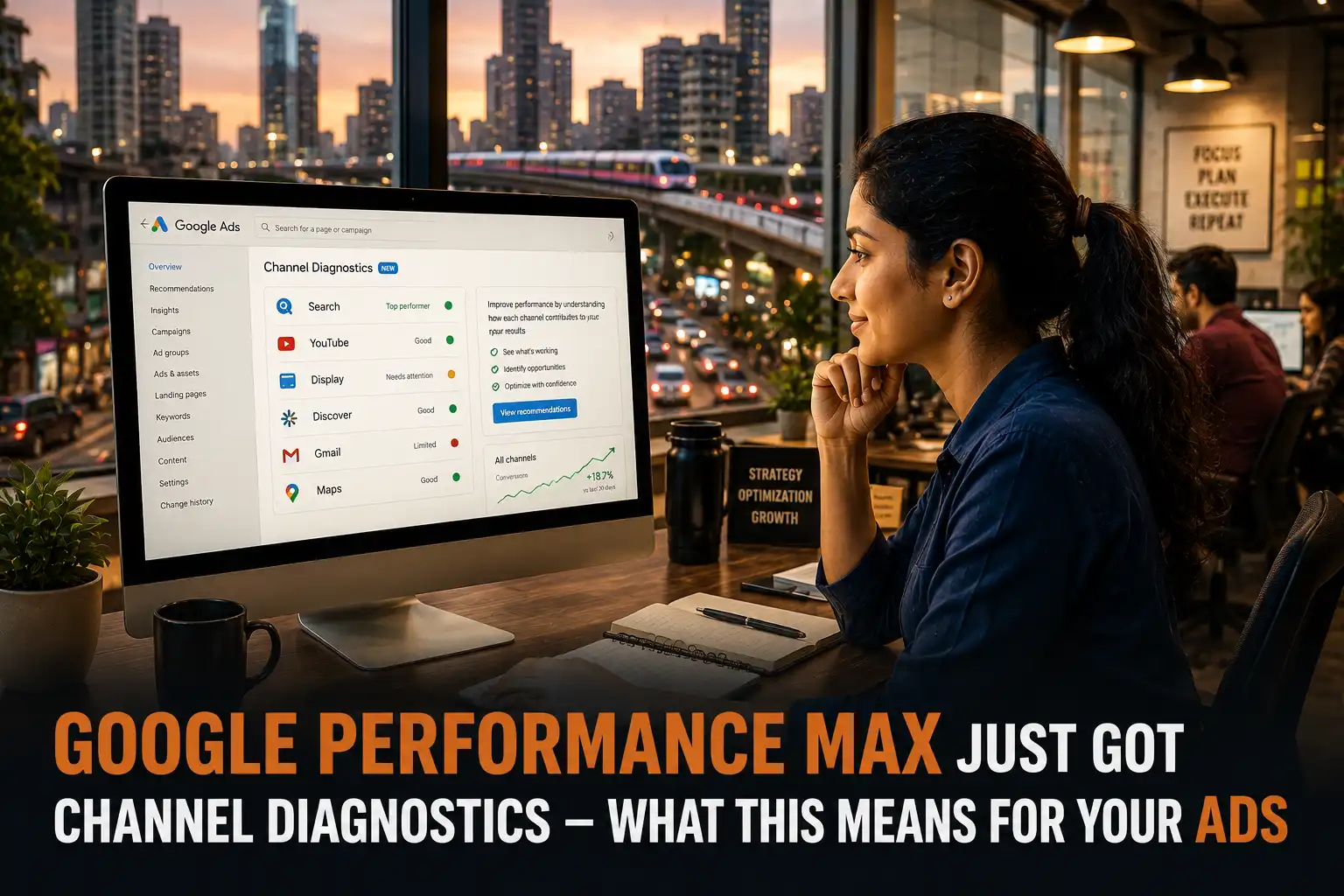
Google Performance Max Just Got Channel Diagnostics — What This Means for Your Ads Google Performance Max campaigns just became…

Reddit Is Now an SEO and AI Visibility Channel for Businesses Reddit SEO is no longer something only tech-savvy marketers…

Google’s AI Spam Policy Is Live — Is Your GEO Strategy Safe? Google’s AI spam policy now officially classifies attempts…
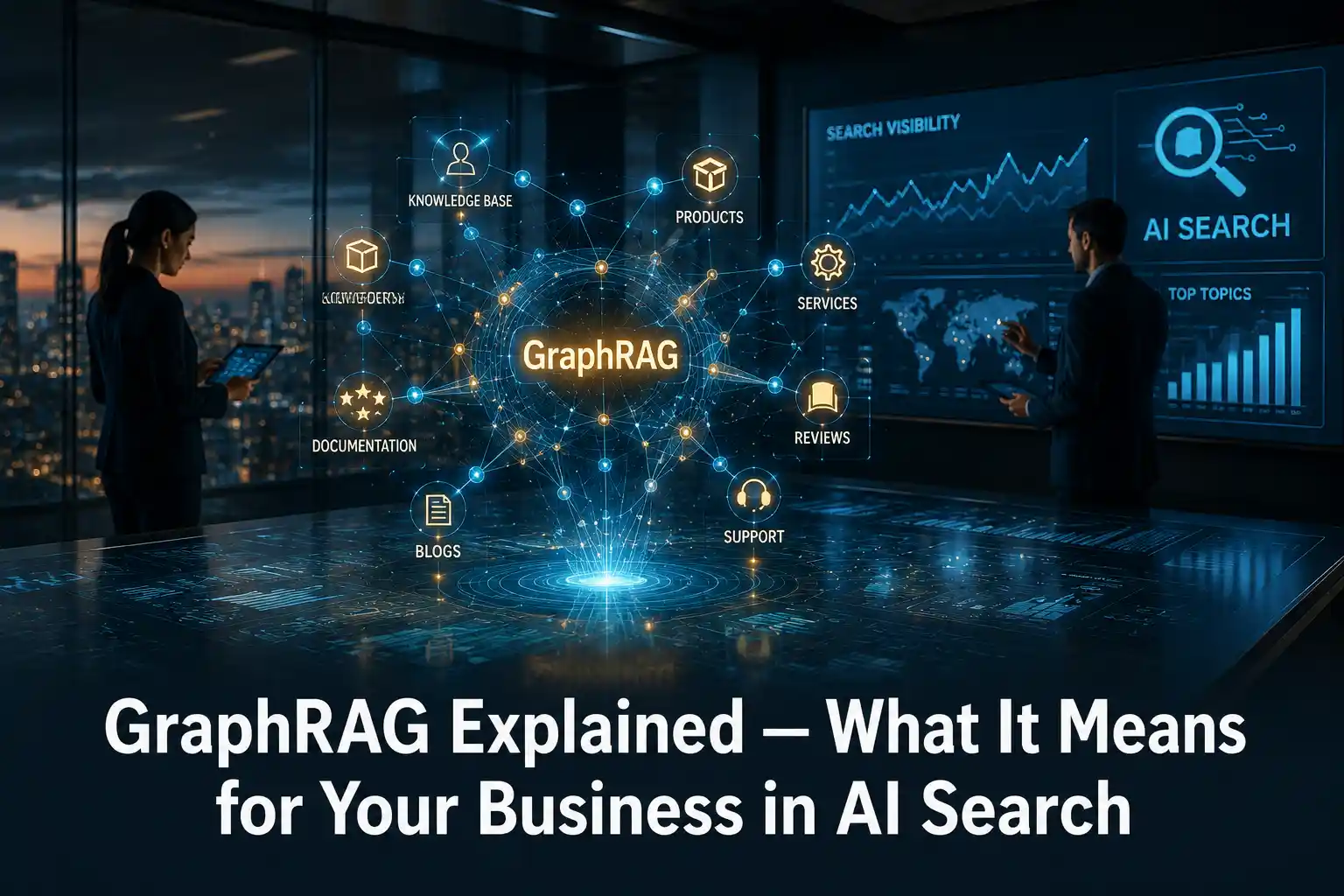
GraphRAG Explained – What It Means for Your Business in AI Search GraphRAG is quietly changing the way AI tools…