AI Overview Citations Keep Changing: What It Means for Your Clicks
AI Overview Citations Keep Changing: What It Means for Your Clicks For a long time, Google search was easy to…

A few years ago, building a website meant hiring someone. Today you can type a short description into an AI website builder and get a full site in minutes. It has a homepage, a few pages, some text, and even images. For a business owner watching every rupee, that sounds like the end of the web designer.
The reality is more mixed. An AI website builder is fast and cheap, and it works well for some situations. It also has limits that only show up after the site goes live. A site that looks fine on launch day can still fail to bring in enquiries, rank on Google, or earn trust from visitors.
So which one does your business need? The answer depends on what you expect your website to do. This blog compares an AI website builder with a professional web designer, shows where each one fits, and helps you decide with confidence.
Quick answer: Choose an AI website builder for simple, short-term needs. Choose a web designer when your website must generate leads, build trust, or support long-term growth.
Speed is the biggest strength. You answer a few questions, and the tool produces a layout, headings, and sample text. You can edit it yourself without any technical skill. Many builders also include hosting, which removes another task from your list.
Cost is the second strength. Most plans charge a small monthly fee, so you can launch without a large upfront budget. For a new business testing an idea, that low risk matters. You can always improve the site later.
An AI website builder also helps with first drafts. Even professionals use these tools to explore layout ideas quickly. The tool saves time on routine work, and that is where it performs best.
Generic is the main problem. AI tools learn from thousands of existing sites, so their output often looks like thousands of existing sites. Your competitor may end up with a nearly identical layout. If visitors cannot tell you apart from the next business, they have little reason to choose you.
Strategy is the second gap. A good website guides visitors toward one clear action, such as calling you, booking a visit, or requesting a quote. An AI website builder places a contact button on the page, but it does not study how your customers decide. It does not ask why people hesitate or what makes them trust a business like yours.
Search performance is the third gap. Ranking on Google and appearing in AI answers needs clean code, fast loading, proper page structure, and content that reflects real expertise. Many AI-built sites look finished but miss these basics. You often discover the problem months later, when the enquiries never arrive.
A designer starts with questions. Who are your customers? What do they worry about before buying? What should they do on each page? These answers shape the structure long before any colour or font is chosen.
Original design is the next advantage. A designer builds a look that reflects your brand, so visitors remember you. That matters in a crowded market, where a business with a distinct identity stands out quickly.
Technical quality is just as important. A designer builds pages that load fast, work smoothly on phones, and follow SEO best practice. They also set up the foundations that AI search systems rely on, such as clear headings and structured data. These details rarely show on screen, but they decide whether your site performs.
Accountability is the final point. When something breaks, or when you want to change direction, you have a person to call. With an AI website builder, you usually have a help article and a support queue.
Think about the role your website plays. If it only needs to show your phone number and address, a builder is a sensible choice. The stakes are low, and a quick setup serves you well.
If your website is a main source of enquiries, the stakes are higher. A weak site costs you customers every week, even though you never see the loss. In that case, the fee for a designer is an investment, not an expense.
Many businesses also use both. A designer builds the foundation, and the owner uses simple tools for small updates. Others start with a builder, then move to a custom site once the business grows. Both paths work, as long as you choose them on purpose.
Begin by deciding what you want visitors to do. Write that action down, and make sure every page supports it. Next, replace generic text with real details about your services, your area, and your experience. Visitors and search engines both respond to specific, honest content.
Finally, test the site as a customer would. Open it on a phone, check the loading speed, and try to complete the main action. If anything feels confusing, fix it before you launch. These steps cost little and prevent most common mistakes.
Not fully. An AI website builder handles basic layouts quickly, but it cannot plan strategy or create a unique brand identity. A designer adds those pieces, which matter most when the site needs to bring in business.
It can cover the basics, but results vary. Many AI-built sites lack fast loading, clean structure, and expert content. A designer or SEO specialist can close those gaps and improve search visibility.
Yes, at the start. Monthly plans cost less than a custom build. The total cost can rise if you later rebuild a site that does not generate leads.
Hire a designer when your website must generate leads, build trust, or stand out from competitors. It also makes sense when you need strong SEO or a custom feature. A site that supports growth usually needs a human plan behind it.
Yes, many businesses do. Keep your content, domain, and brand assets organised so a designer can reuse them. This makes the move to a custom site faster and cheaper.
An AI website builder is a useful tool, and a web designer is a strategic partner. The better choice depends on what your website must achieve. If you need a simple page quickly, a builder will serve you well. If you need a site that earns trust, ranks on Google, and turns visitors into customers, professional design is worth the investment.
At Turnihi Tech Solutions, we design websites for businesses in Chennai and beyond, built for SEO, GEO, and AEO from the start. If you are unsure which route suits your business, talk to our team, and we will help you decide.
Share Post:

Related Post
AI Overview Citations Keep Changing: What It Means for Your Clicks For a long time, Google search was easy to…
Website Design for AI Mode: What Changes After Gemini 4 Argon Website design for AI Mode is the practice of…
PHP Hacked: What Your Business Website Needs to Do Right Now PHP hacked means someone has broken into your website…
Google Business Profile Impressions Are Falling: Why Google Business Profile impressions are falling because AI Overviews and zero-click results now…
Google Display Ads Are Moving to Demand Gen – What to Do Google Display Ads are moving into Demand Gen,…

ChatGPT Visual Ads Are Coming. What Brands Should Know Ask ChatGPT to create an image, and you may soon see…
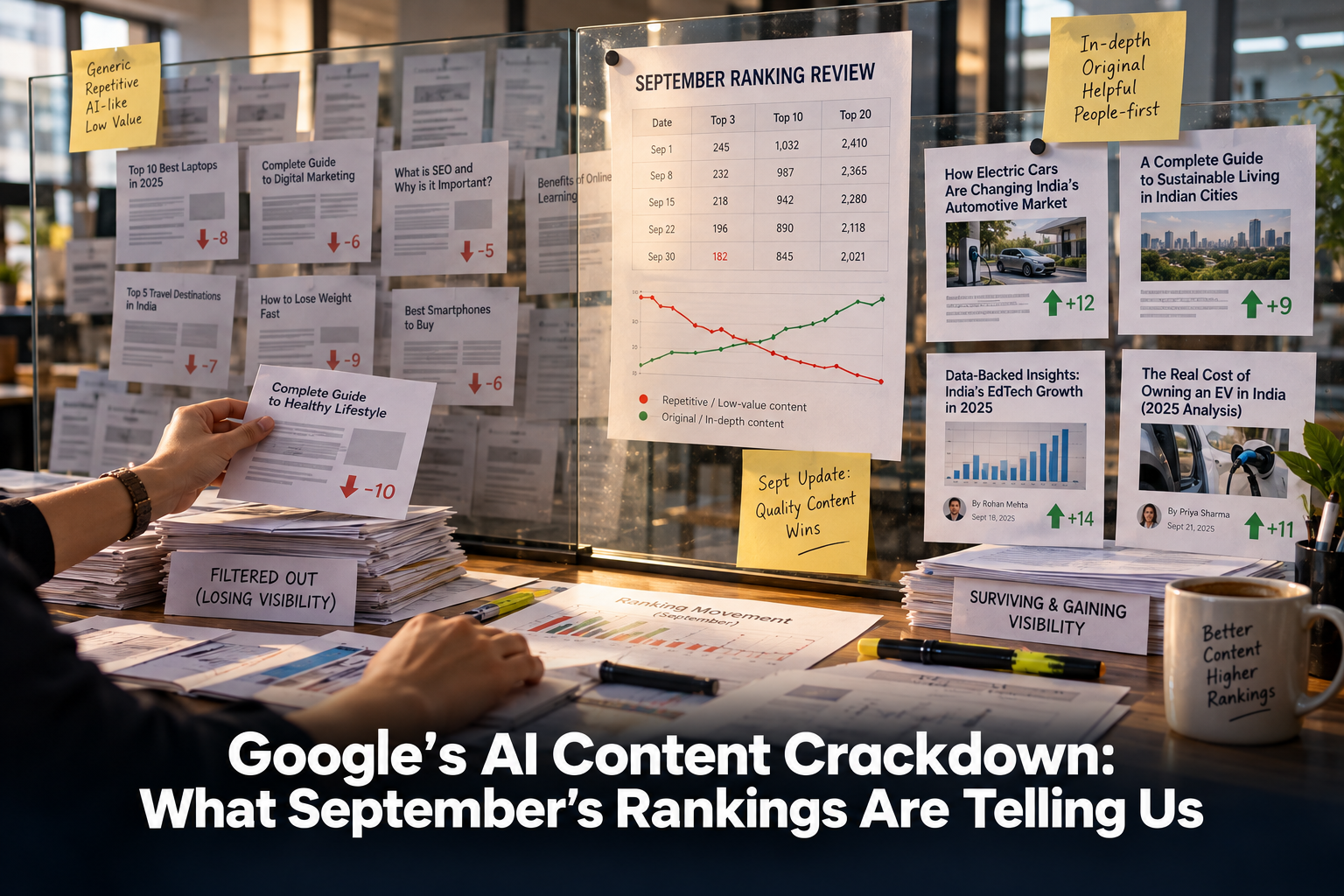
Google’s AI Content Crackdown: What September’s Rankings Are Telling Us Google’s AI content crackdown became one of the most talked-about…

Google Is Moving Your Ads to AI Max — Here’s What to Do AI Max is Google’s newest bid to…
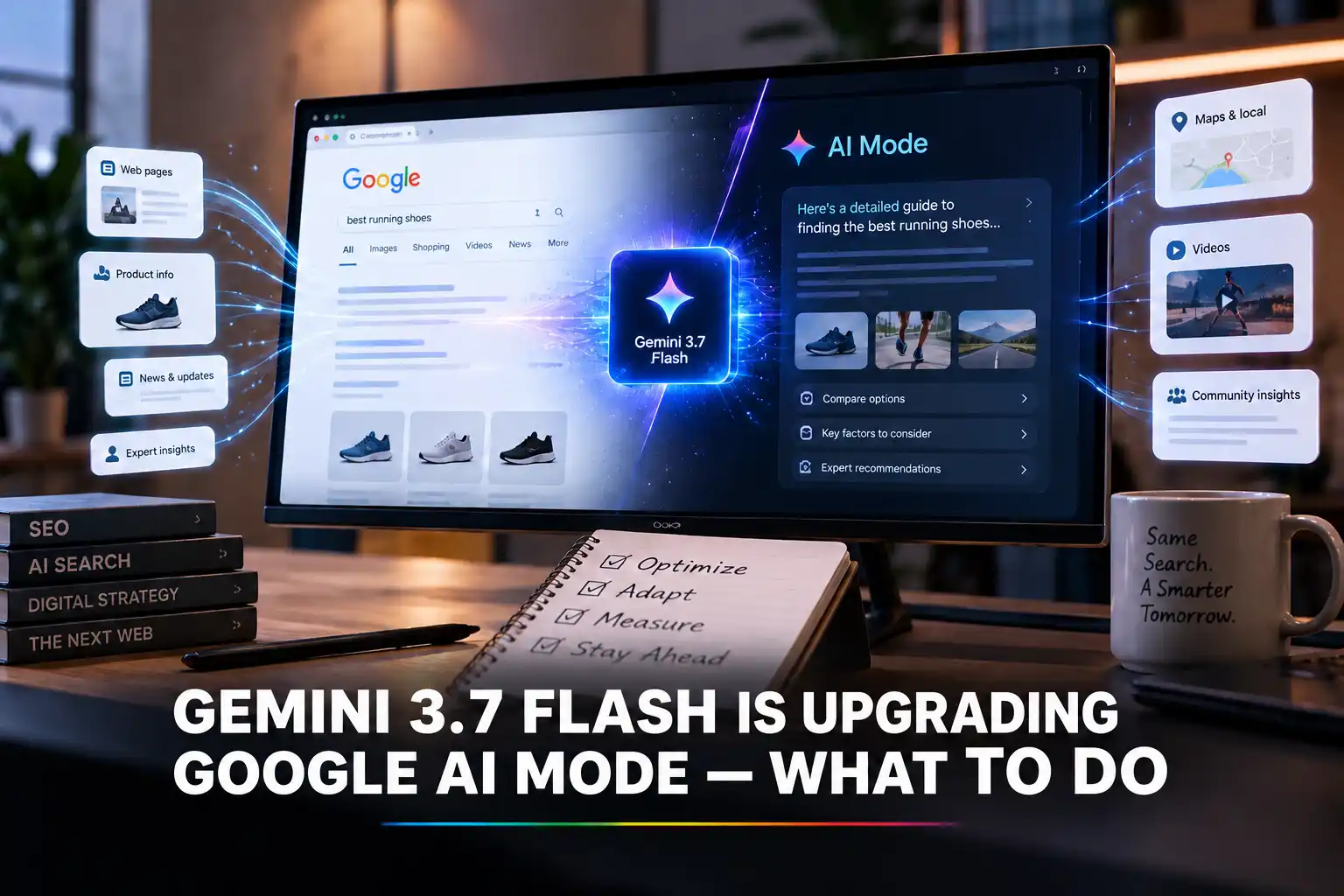
Gemini 3.7 Flash Is Upgrading Google AI Mode — What to Do Gemini 3.7 Flash arrived inside Google AI Mode…
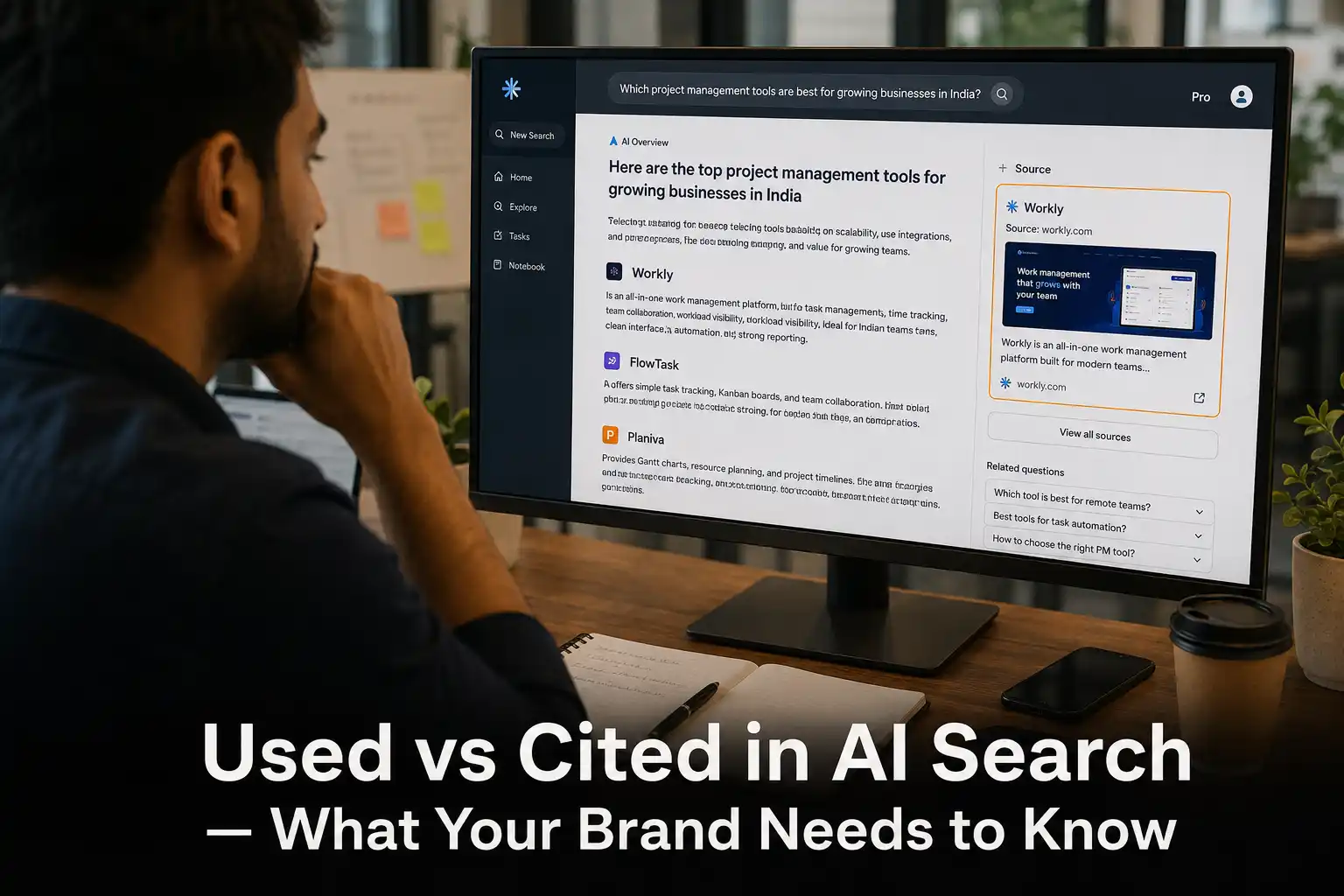
Used vs Cited in AI Search — What Your Brand Needs to Know AI search has quietly split brand visibility…
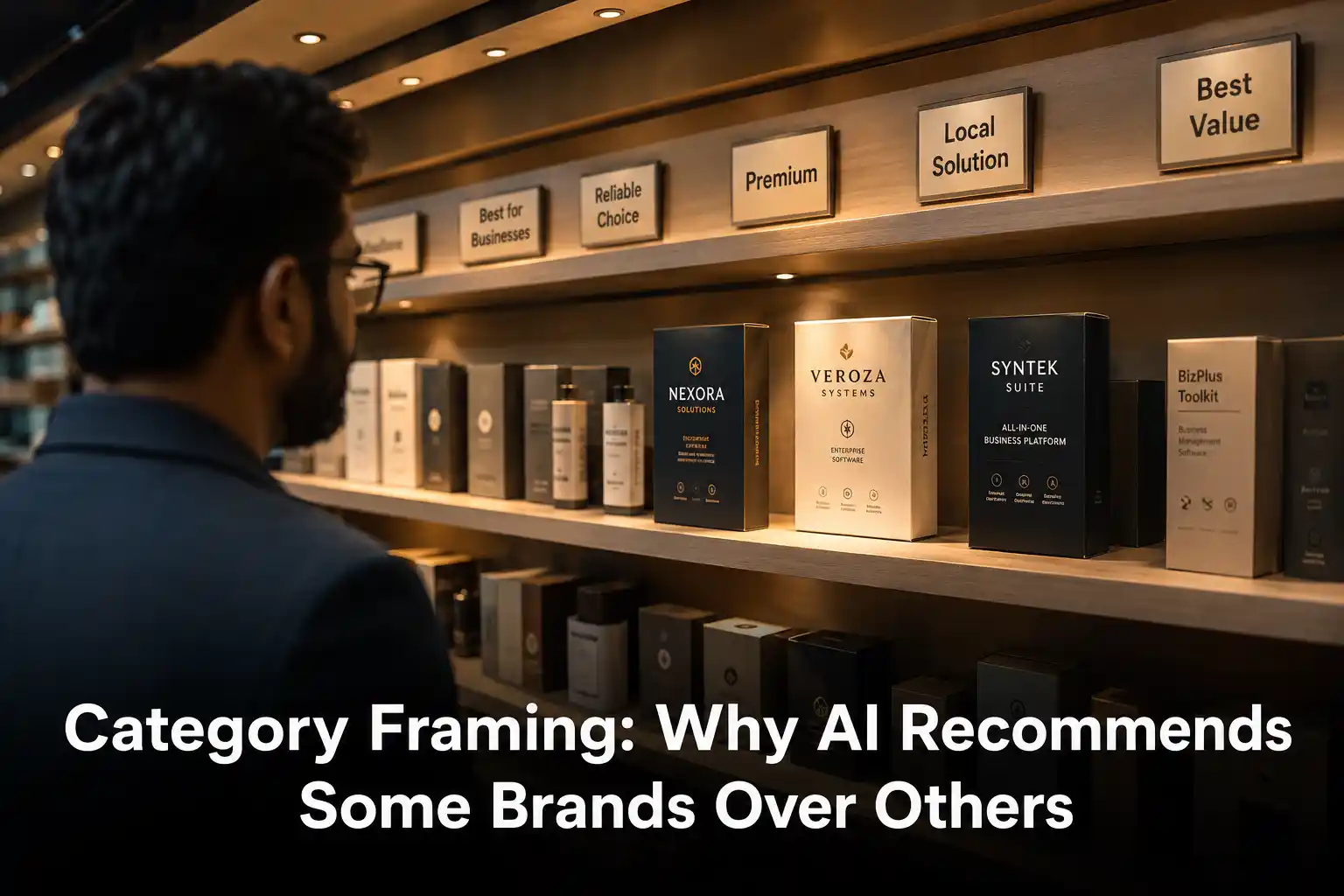
Category Framing: Why AI Recommends Some Brands Over Others Category framing is quietly deciding which brands show up when someone…