AI Overview Citations Keep Changing: What It Means for Your Clicks
AI Overview Citations Keep Changing: What It Means for Your Clicks For a long time, Google search was easy to…

AI is changing Google Ads in ways that are hard to ignore — and even harder to opt out of. If you have run Google Ads in the last two years, you have already felt it. Campaigns that used to require constant manual management are now driven largely by machine learning. Bidding, targeting, creative testing, audience expansion — Google’s AI is making more of those decisions than most advertisers realise.
That is not necessarily a bad thing. But it does mean the way you set up, manage, and evaluate campaigns needs to change alongside it.
Table of Contents
The shift started gradually and then accelerated fast. A few years ago, Google Ads was a platform where you controlled almost everything — keywords, bids, match types, placements, ad copy. Skilled campaign managers could squeeze significant performance out of careful manual management.
Today, Google has systematically pushed AI into the centre of the platform. Smart Bidding uses machine learning to set bids in real time based on dozens of signals — device, location, time of day, search history, and more. Performance Max campaigns run across every Google channel simultaneously and let the algorithm decide where and how to show your ads. Broad match keywords have become the default, with Google’s AI interpreting intent rather than matching exact phrases.
On top of that, AI Max — Google’s latest campaign feature — goes further still, automatically expanding targeting, rewriting headlines, and choosing landing pages based on what the system predicts will convert best.
The level of control advertisers have given up is significant. The question is whether the results justify it.
When campaigns are set up correctly and have sufficient data to learn from, Google’s AI genuinely delivers. Smart Bidding in particular performs well when a campaign has a clear conversion goal, enough historical conversion data, and a realistic budget that gives the algorithm room to test and optimise.
For businesses with proven offers, established landing pages, and consistent conversion tracking, leaning into AI-driven features makes sense. The system learns faster than any human can manually optimise, and it adjusts in real time to signals that are simply not visible in a standard campaign dashboard.
Responsive Search Ads are another area where AI adds real value. Instead of running a single fixed ad, you provide up to fifteen headlines and four descriptions, and Google’s system tests combinations to find what resonates. Over time, the data from those tests is genuinely useful — not just for ad performance but for understanding what language your audience responds to.
The same features that make Google Ads more powerful also make them easier to misuse — and Google’s default settings are not always in your best interest.
Performance Max campaigns, for example, are designed to maximise conversions across all channels. In practice, this often means the system spends heavily on Display and YouTube placements that generate impressions but not meaningful results, while the search placements that actually convert get a fraction of the budget. Without careful asset group setup and negative keyword lists, Performance Max can quietly drain spend with very little to show for it.
AI Max has similar risks. Automatically rewritten headlines may not reflect your brand voice or your offer accurately. Automatically selected landing pages may not be the ones most relevant to what the user searched for. These are not hypothetical problems — they show up regularly in campaign audits.
Broad match keywords, when combined with Smart Bidding and limited negative keywords, can pull in traffic that has almost nothing to do with your product or service. The AI is optimising for conversions — but if your conversion tracking is imperfect or your landing page is weak, it will optimise for the wrong thing.
The answer is not to fight AI or turn everything back to manual. That ship has sailed. The answer is to work with the AI intelligently — giving it the right inputs, guardrails, and goals so it optimises in the right direction.
Set up conversion tracking properly before anything else. Google’s AI is only as good as the signal you give it. If your conversions are not tracked accurately, the whole system learns from bad data.
Be deliberate about which AI features you enable and when. Performance Max works better for businesses with proven offers and strong creative assets. Early-stage campaigns with limited data often perform better with more controlled setups first.
Build strong negative keyword lists. This is one area where human judgment still matters enormously. Teaching the algorithm what not to target is just as important as telling it what to go after.
Review asset performance regularly. In Responsive Search Ads and Performance Max, check which headlines, descriptions, and creative assets are being used most and performing best. This tells you a lot about your audience and keeps you informed even when the algorithm is doing the heavy lifting.
Not fully — but the platform is moving strongly in that direction. Most of the bidding and targeting decisions are now AI-driven by default. Human input is still essential for strategy, creative, and campaign structure.
Not necessarily. Performance Max works best when you have strong creative assets, clear conversion goals, and enough historical data for the algorithm to learn from. It is not the right starting point for every business or every campaign objective.
Focus on what you can still control — campaign structure, conversion tracking, negative keywords, asset quality, and budget allocation. These inputs shape how the AI behaves, even when it is making the individual bid and placement decisions.
AI Max is Google’s latest feature that automates targeting expansion, headline generation, and landing page selection within search campaigns. It can improve performance but requires careful monitoring to ensure it aligns with your actual goals.
How AI is changing Google Ads is not a future conversation — it is the reality of running campaigns today. The marketers and businesses that get the best results are not the ones who hand everything over to the algorithm and hope for the best. They are the ones who understand how the AI works, feed it the right inputs, and stay close enough to the data to catch problems early.
Google’s AI is a powerful tool. Like any tool, it works best in the hands of someone who knows how to use it properly.
At Turnihi, Google Ads management is one of our core services — and understanding how to work with AI features rather than against them is a big part of what we do. If your campaigns are not performing the way they should, or you are not sure whether your current setup is working for you or against you, we are happy to take a look.
Share Post:

Related Post
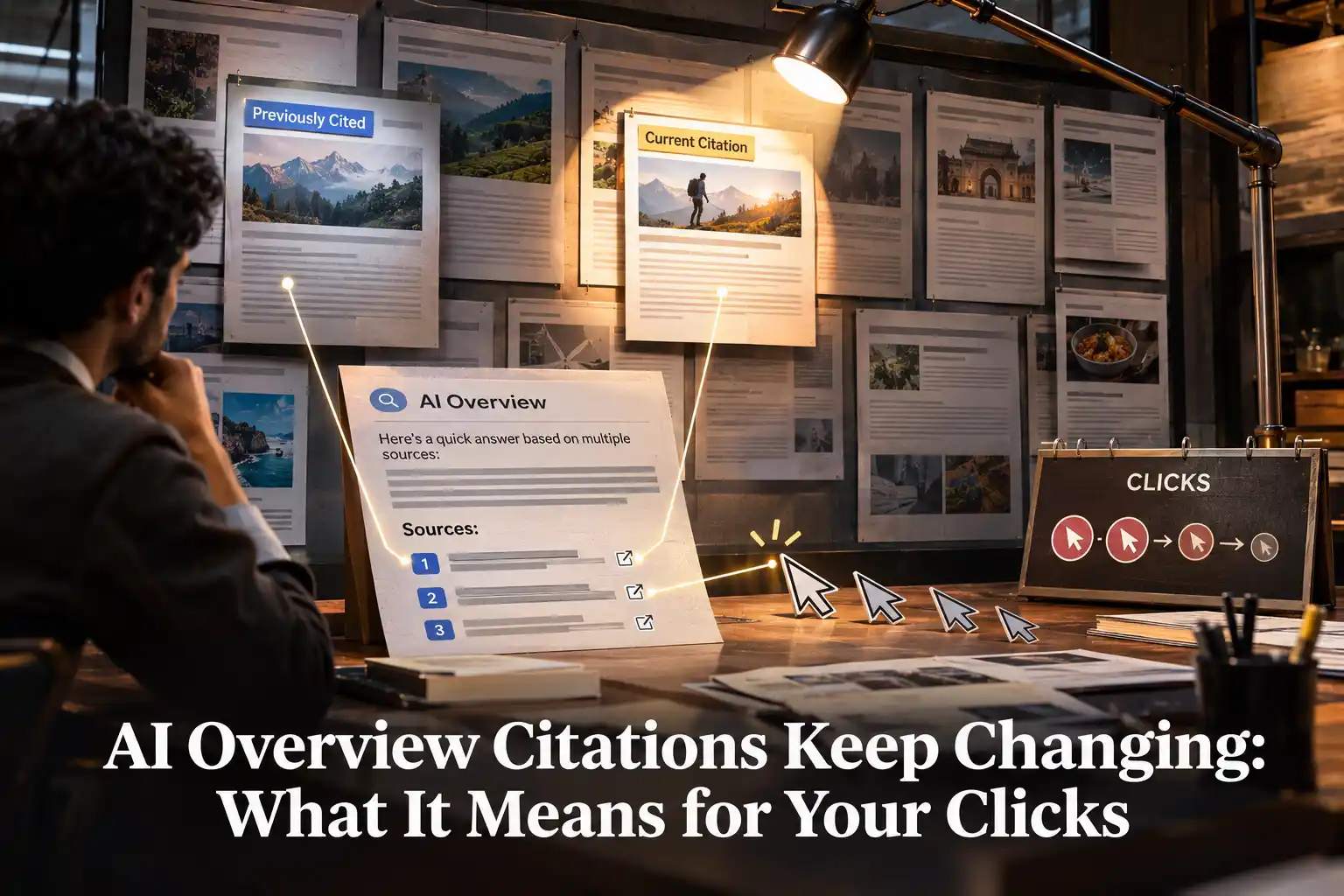
AI Overview Citations Keep Changing: What It Means for Your Clicks For a long time, Google search was easy to…

Website Design for AI Mode: What Changes After Gemini 4 Argon Website design for AI Mode is the practice of…

PHP Hacked: What Your Business Website Needs to Do Right Now PHP hacked means someone has broken into your website…
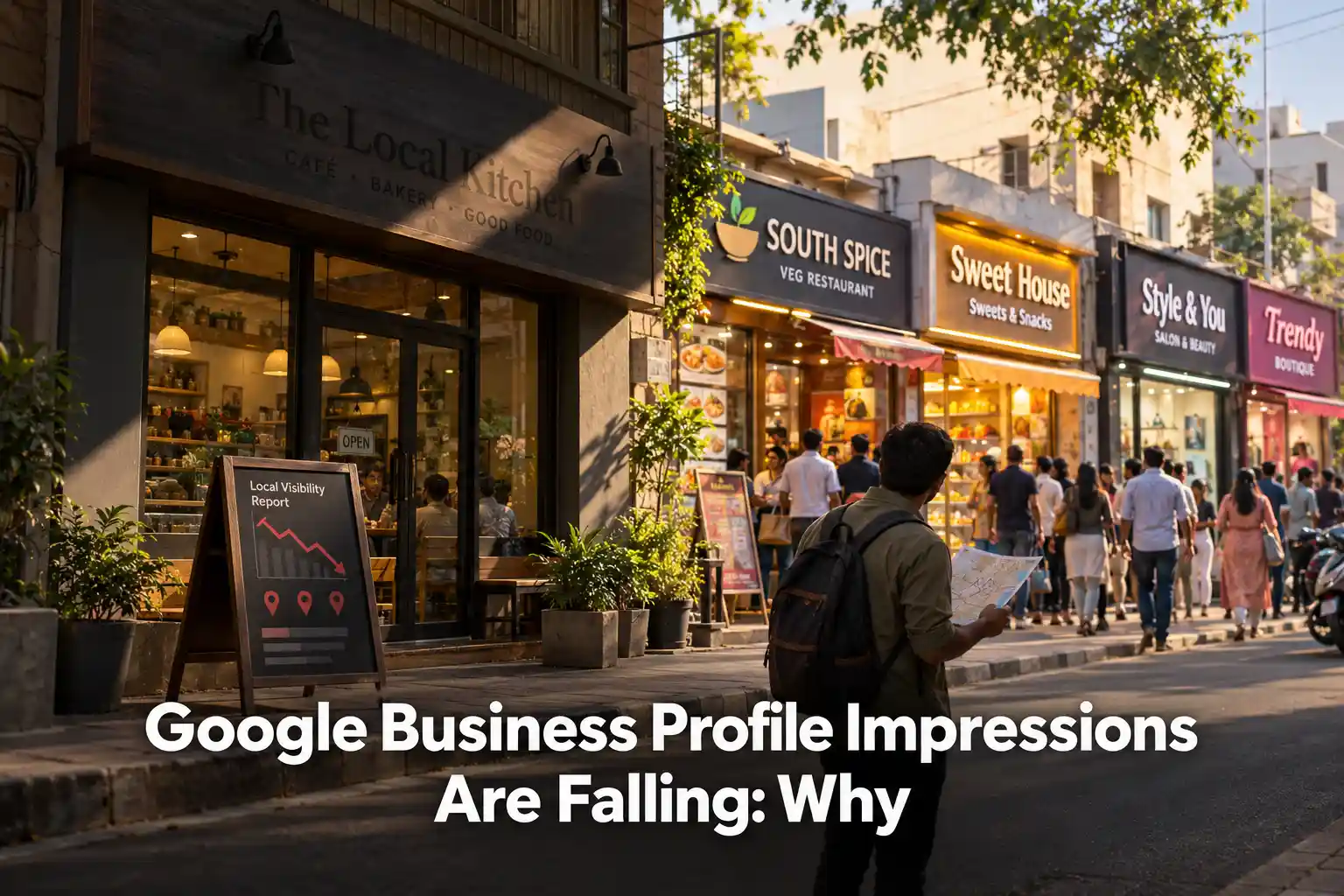
Google Business Profile Impressions Are Falling: Why Google Business Profile impressions are falling because AI Overviews and zero-click results now…
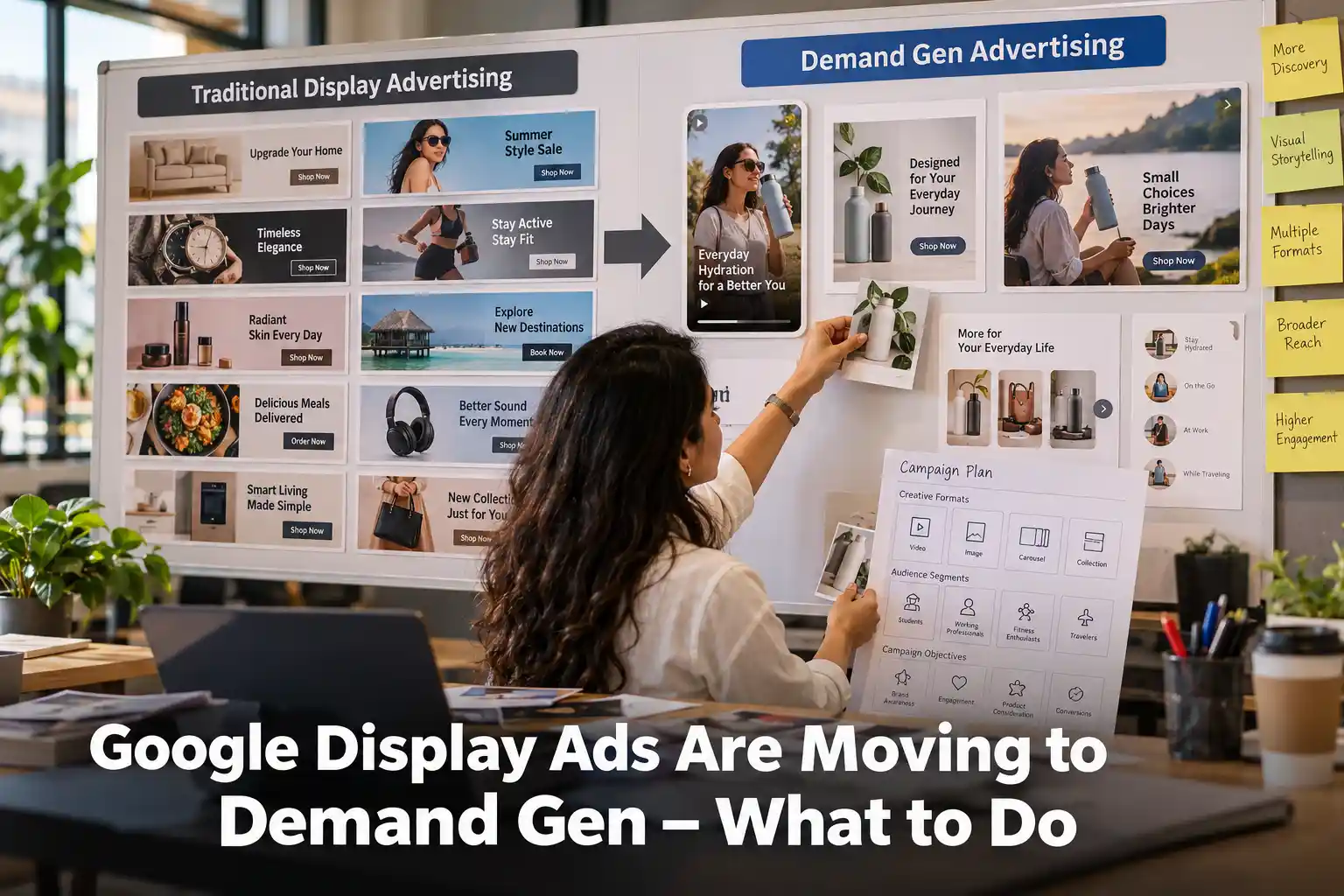
Google Display Ads Are Moving to Demand Gen – What to Do Google Display Ads are moving into Demand Gen,…

ChatGPT Visual Ads Are Coming. What Brands Should Know Ask ChatGPT to create an image, and you may soon see…
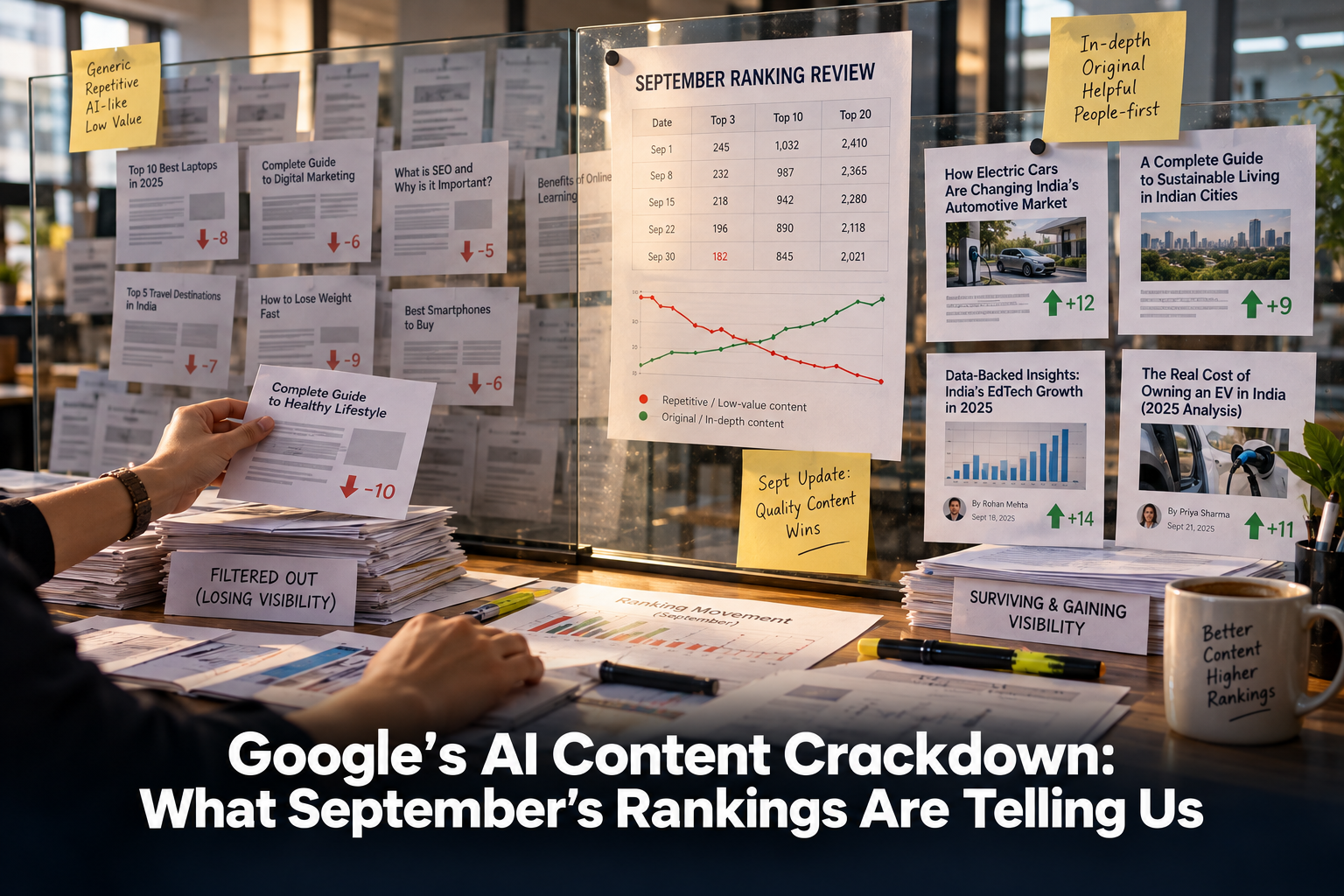
Google’s AI Content Crackdown: What September’s Rankings Are Telling Us Google’s AI content crackdown became one of the most talked-about…
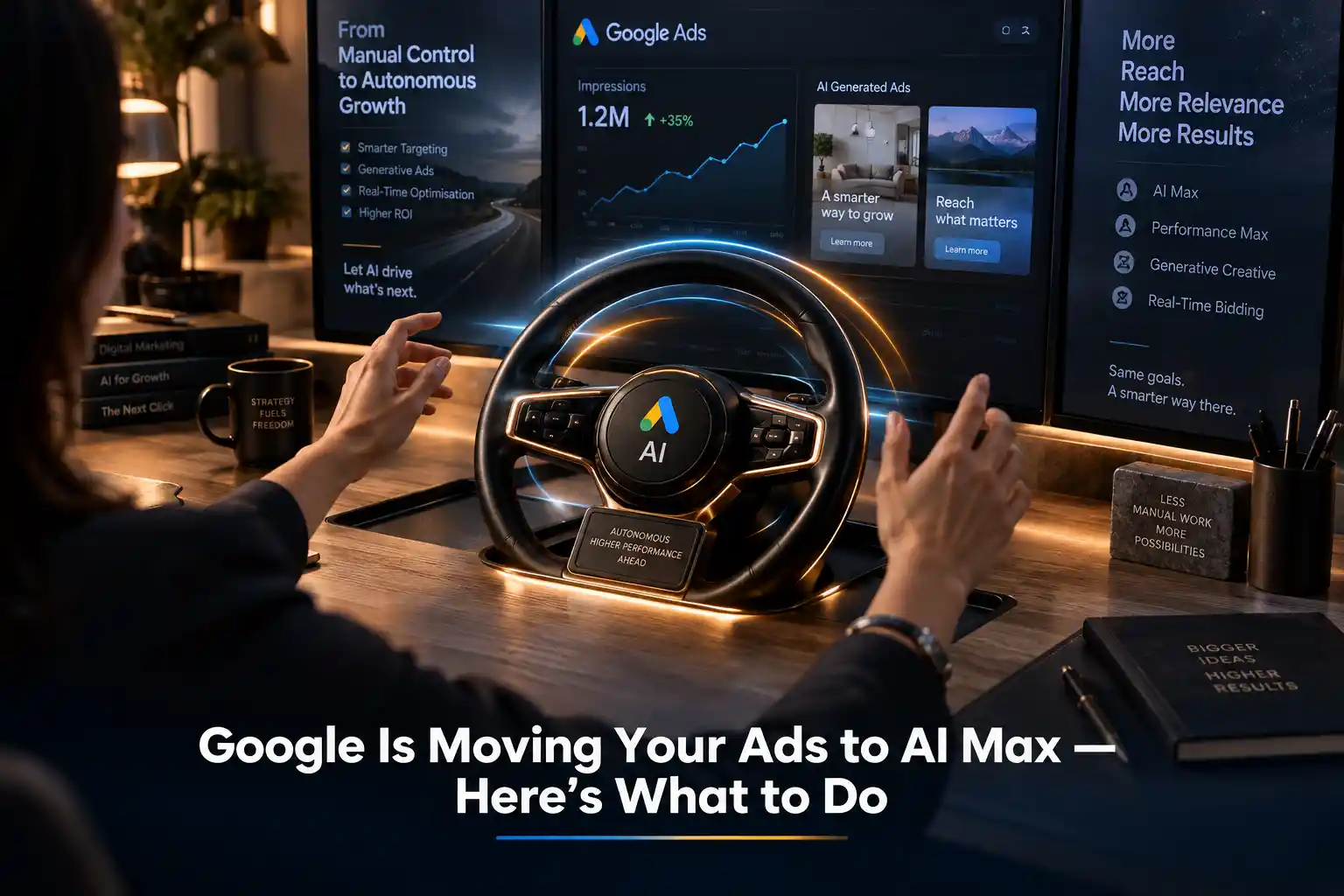
Google Is Moving Your Ads to AI Max — Here’s What to Do AI Max is Google’s newest bid to…

Gemini 3.7 Flash Is Upgrading Google AI Mode — What to Do Gemini 3.7 Flash arrived inside Google AI Mode…
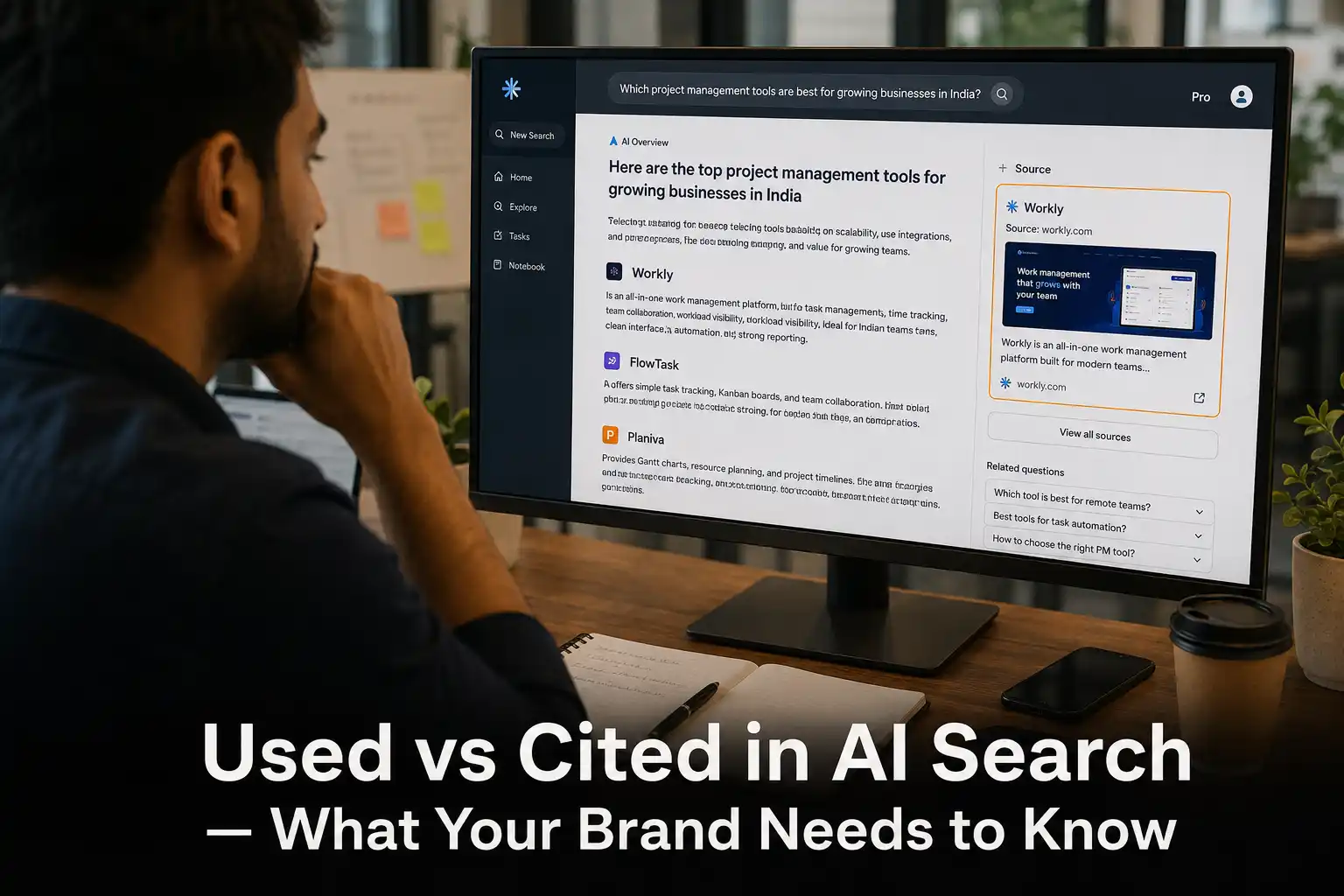
Used vs Cited in AI Search — What Your Brand Needs to Know AI search has quietly split brand visibility…
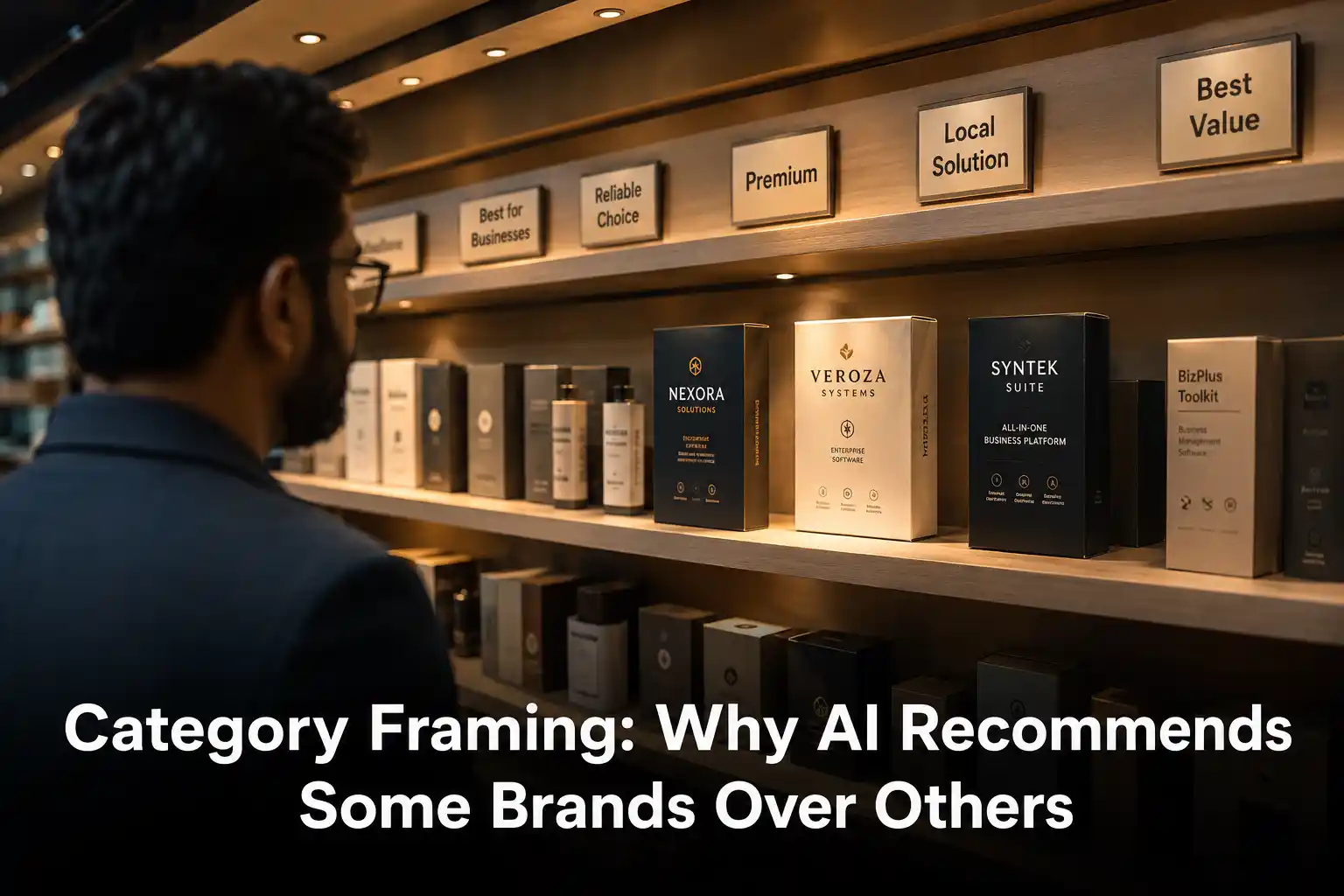
Category Framing: Why AI Recommends Some Brands Over Others Category framing is quietly deciding which brands show up when someone…