AI Overview Citations Keep Changing: What It Means for Your Clicks
AI Overview Citations Keep Changing: What It Means for Your Clicks For a long time, Google search was easy to…

Google I/O 2026 didn’t just announce new features — it signalled a fundamental shift in how search works, how businesses get found, and how digital marketing will operate for the next several years. If you run a business, manage a website, or work in marketing, what was announced on May 19, 2026 affects you directly.
This isn’t a minor update. In fact, this is Google telling the world that search as we knew it is over.
Table of Contents

The headline number is hard to ignore. AI Mode — Google’s AI-powered search experience — has now crossed one billion monthly users. That’s not a pilot programme or a beta feature anymore. In other words, that’s the new normal.
In addition to that, Google announced what it called the biggest redesign of the search bar in over 25 years. The new search experience is built around Gemini 3.5 Flash and allows users to attach images, documents, videos, and even browser tabs directly to a search query. As a result, searches are getting longer, more conversational, and more multimodal — meaning people are combining text, images, and voice in a single search.
And then two days later, on May 21, Google rolled out a May 2026 Core Update. Algorithm changes and a complete search redesign in the same week. That’s the pace of change we’re dealing with now.

The rules of SEO haven’t disappeared — but they’ve changed significantly. For years, SEO meant ranking on page one. A good position in the blue links meant traffic, and traffic meant business. However, that model is breaking down.
AI Mode and AI Overviews are now absorbing a growing share of search traffic. As a result, users get answers directly on the results page without clicking through to any website. If you’ve noticed your Google Search Console showing impressions going up but clicks going down, this is exactly why.
What this means for SEO is that ranking is no longer enough on its own. Instead, the new goal is being the source that AI engines cite, reference, and pull answers from. That’s where GEO — Generative Engine Optimisation — comes in. Moreover, Google I/O 2026 made it clear that SEO and GEO now have to work together, not separately.
Google’s own guide published on May 15, just before the I/O keynote, confirmed this directly. AEO and GEO are not separate disciplines from SEO — they are, in fact, SEO applied to AI surfaces. Therefore, businesses that treat them as optional extras will fall behind those that don’t.

The impact on paid digital marketing is just as significant. For instance, Google announced Conversational Discovery Ads — a new ad format that appears inside AI Mode answers and adapts dynamically to what the user is asking. Instead of matching a keyword, Gemini generates ad creative tied to the specific context of the conversation.
Furthermore, Google announced Universal Cart — an AI-powered shopping experience that lets users add products from different merchants into one cart across Search, YouTube, Gmail, and the Gemini app. For e-commerce businesses, this changes where and how customers discover and buy products entirely.
For businesses running Google Ads, there’s also a September 2026 deadline to be aware of. Specifically, Google will auto-upgrade Dynamic Search Ads and broad match campaigns to AI Max — its AI-powered campaign management system. Teams that don’t prepare for this migration will hit that date unprepared.
The businesses that will struggle after Google I/O 2026 are the ones that keep doing what worked in 2023. For example, keyword stuffing, thin content, and generic blogs written purely for search bots — Google is actively building infrastructure to identify and discount exactly this kind of content.
On the other hand, the businesses that will win are the ones producing content that AI engines trust — content with genuine expertise, original insights, clear structure, FAQ sections, and schema markup. Content that answers real questions directly and gives AI tools something worth citing.
As a result, three things every business should do right now: audit your existing content for quality and structure, make sure your Google Business Profile is complete and active, and start thinking about GEO and AEO as core parts of your content strategy — not optional add-ons.
Google I/O 2026 announced that AI Mode has crossed one billion monthly users, introduced the biggest search bar redesign in 25 years built around Gemini 3.5 Flash, launched new AI-powered ad formats, and rolled out a May 2026 Core Update two days after the keynote.
It accelerates the shift from traditional ranking-based SEO to AI-driven visibility. Businesses now need to optimise for AI Overviews, featured snippets, and generative search answers — not just page one rankings.
AI Mode is Google’s AI-powered search experience built on Gemini. It generates direct answers to search queries, synthesises information from multiple sources, and is now used by over one billion people monthly.
SEO focuses on ranking in traditional search results. GEO — Generative Engine Optimisation — focuses on getting your content cited in AI-generated answers. After Google I/O 2026, both need to work together as part of the same strategy.
Google I/O 2026 is not a future warning. It’s a present reality. The search landscape has already changed — and the May 2026 Core Update confirmed that the new rules are already in effect.
At Turnihi Tech Solutions, we’ve been ahead of this curve — building SEO, GEO, and AEO into every piece of content we produce for our clients. If your digital marketing strategy hasn’t accounted for what Google I/O 2026 announced, now is the time to fix that.
Share Post:

Related Post

AI Overview Citations Keep Changing: What It Means for Your Clicks For a long time, Google search was easy to…

Website Design for AI Mode: What Changes After Gemini 4 Argon Website design for AI Mode is the practice of…

PHP Hacked: What Your Business Website Needs to Do Right Now PHP hacked means someone has broken into your website…
Google Business Profile Impressions Are Falling: Why Google Business Profile impressions are falling because AI Overviews and zero-click results now…
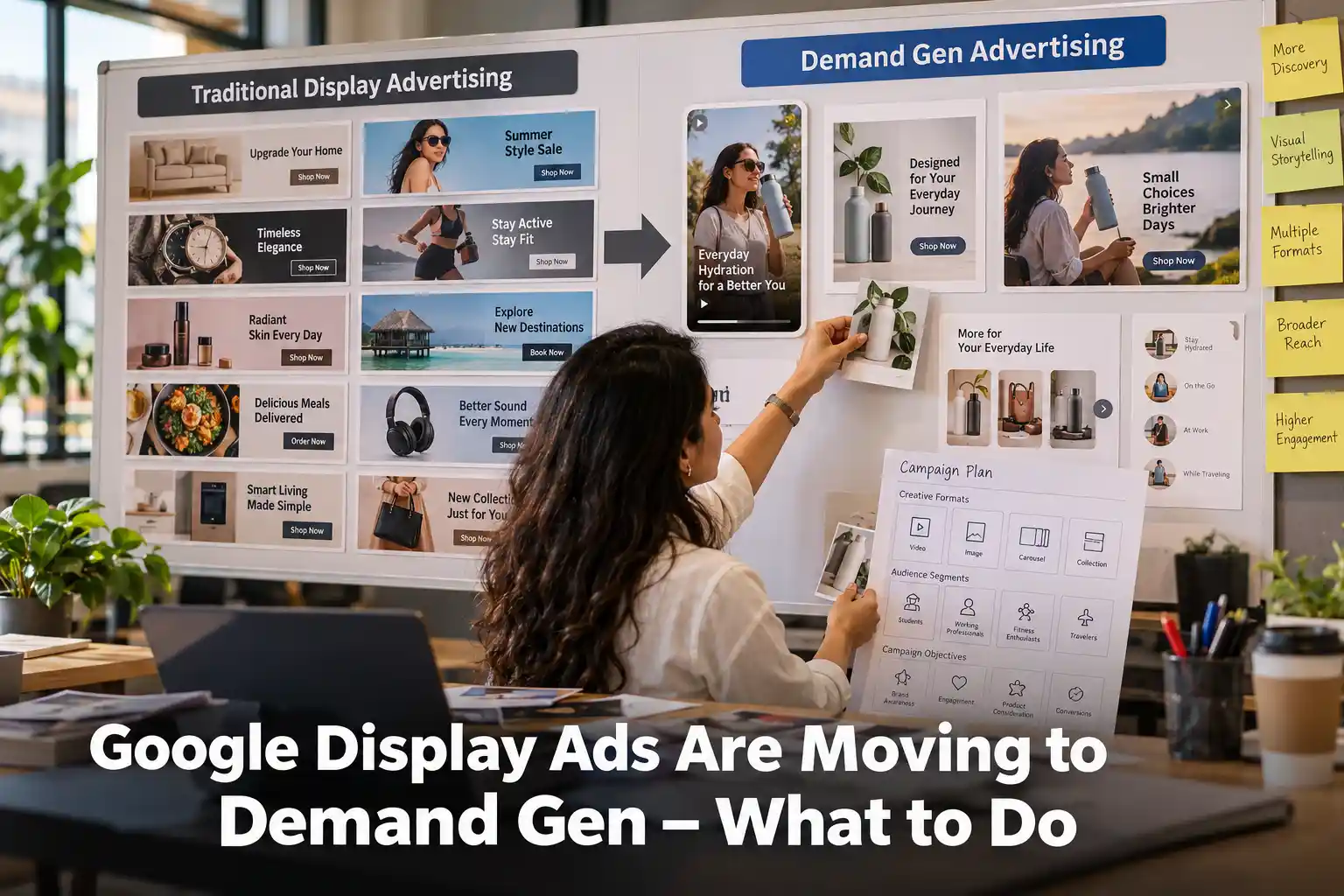
Google Display Ads Are Moving to Demand Gen – What to Do Google Display Ads are moving into Demand Gen,…

ChatGPT Visual Ads Are Coming. What Brands Should Know Ask ChatGPT to create an image, and you may soon see…
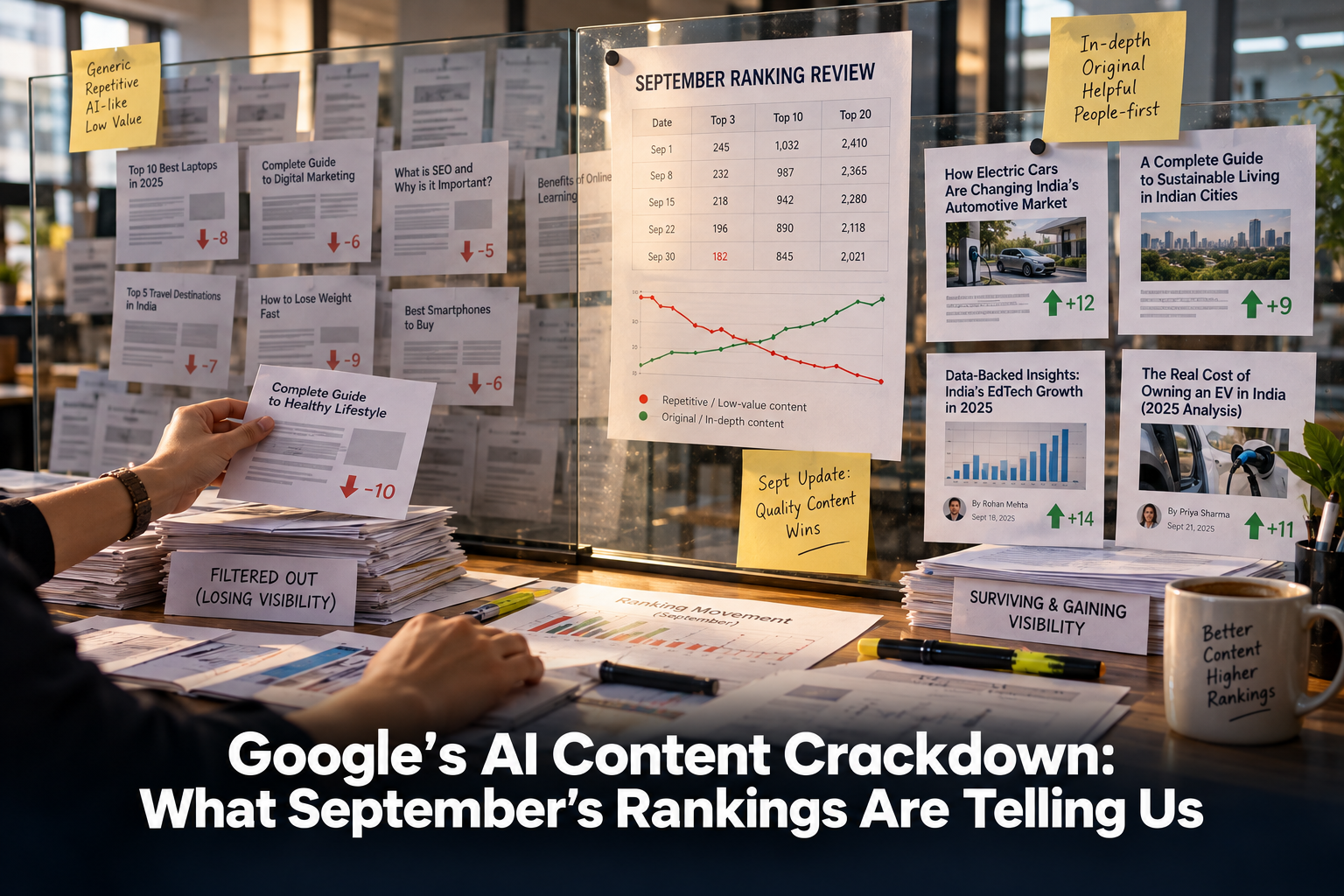
Google’s AI Content Crackdown: What September’s Rankings Are Telling Us Google’s AI content crackdown became one of the most talked-about…
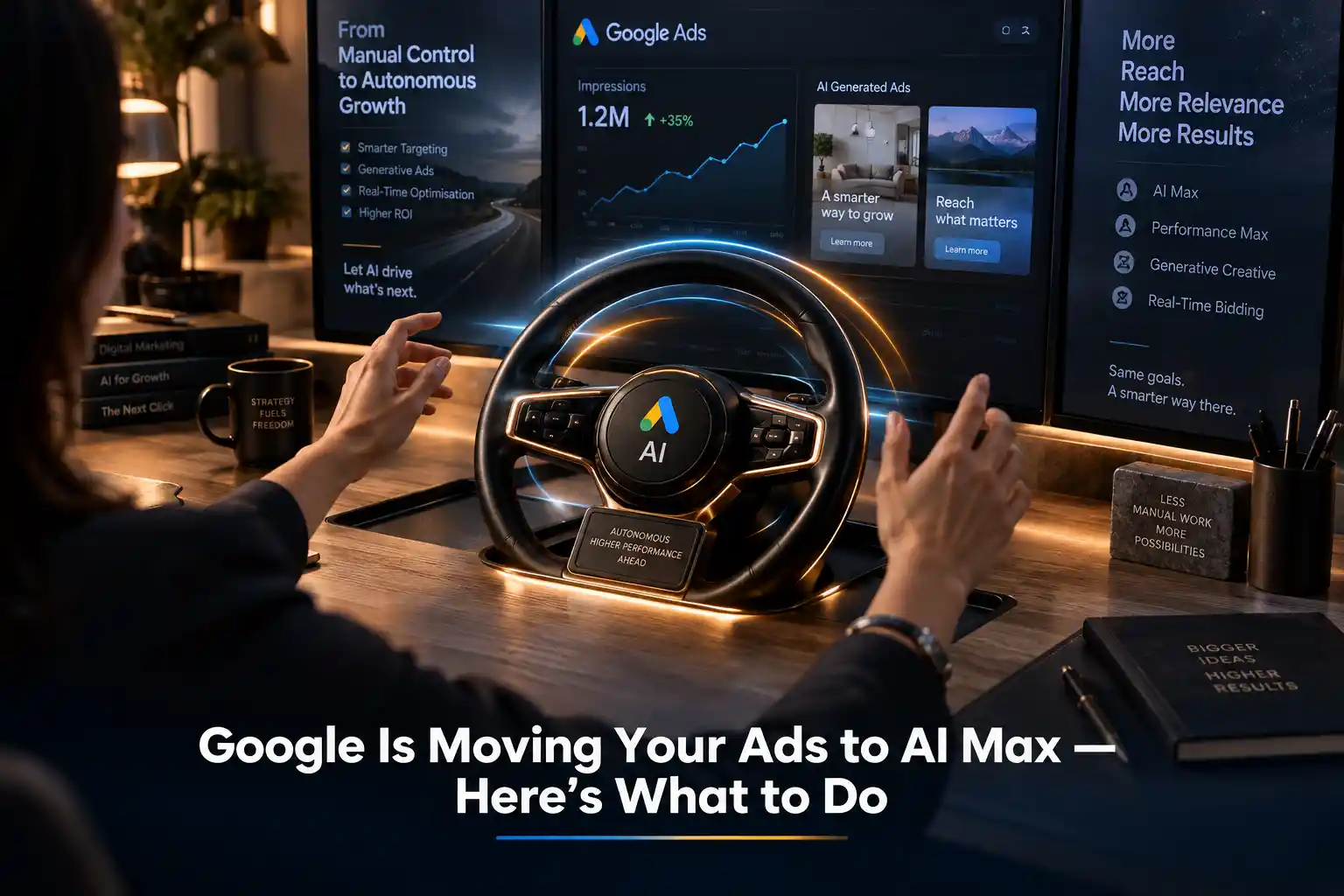
Google Is Moving Your Ads to AI Max — Here’s What to Do AI Max is Google’s newest bid to…
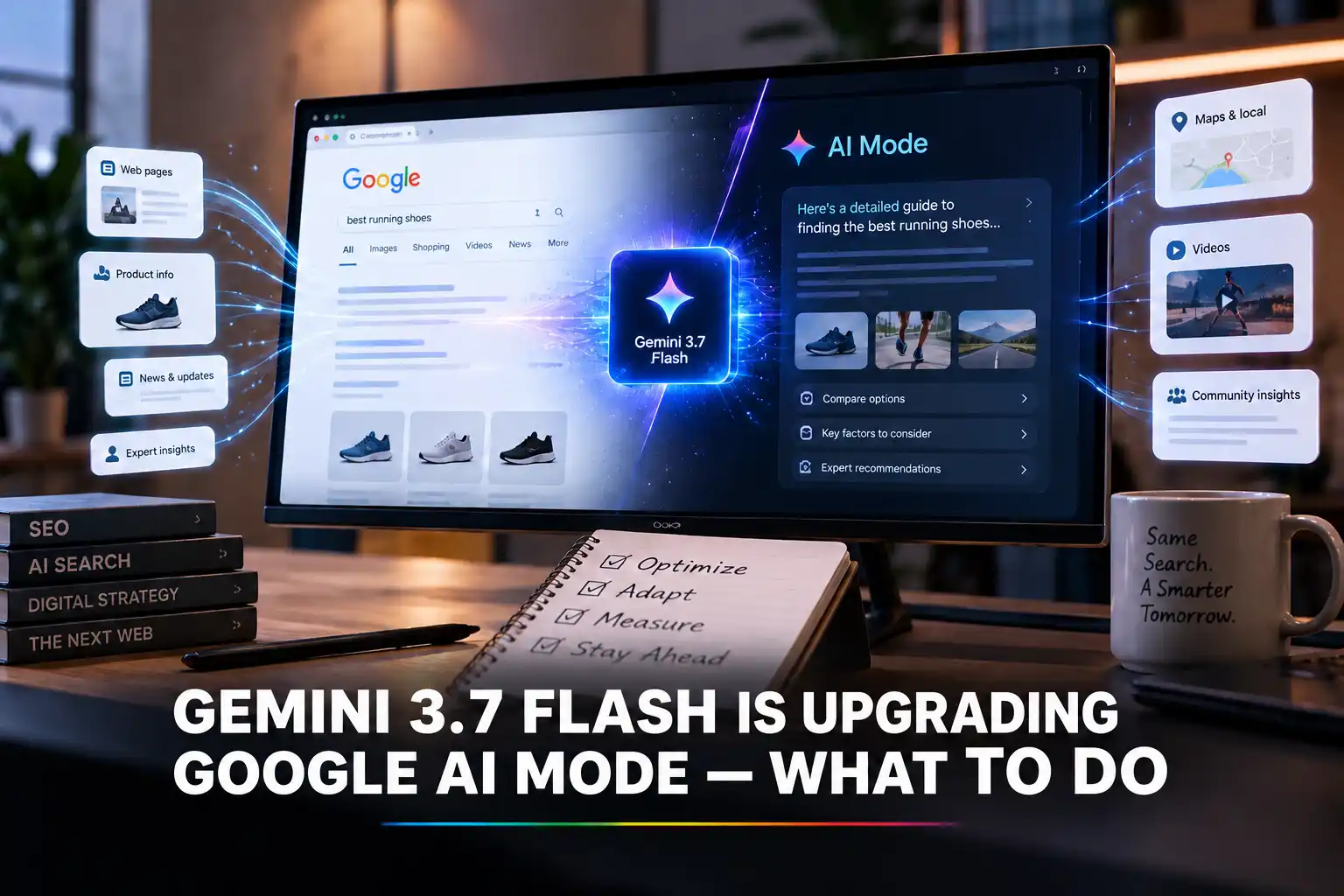
Gemini 3.7 Flash Is Upgrading Google AI Mode — What to Do Gemini 3.7 Flash arrived inside Google AI Mode…
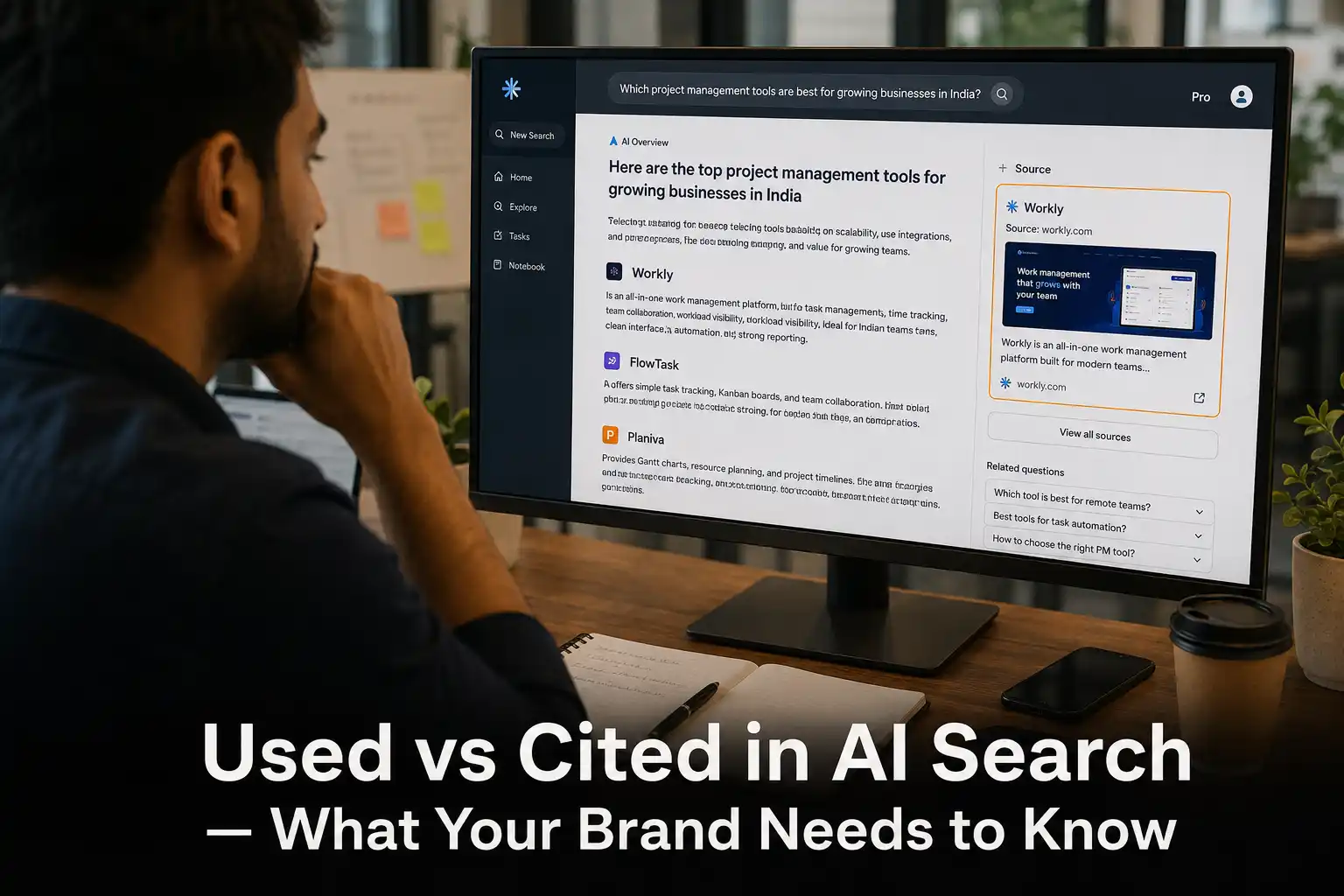
Used vs Cited in AI Search — What Your Brand Needs to Know AI search has quietly split brand visibility…
Category Framing: Why AI Recommends Some Brands Over Others Category framing is quietly deciding which brands show up when someone…