AI Overview Citations Keep Changing: What It Means for Your Clicks
AI Overview Citations Keep Changing: What It Means for Your Clicks For a long time, Google search was easy to…

Preparing your business for AI-powered search in 2026 is not about predicting the future — it is about responding to changes that have already happened. AI search is not coming. It is here. Google AI Overviews are live. ChatGPT has hundreds of millions of users asking it questions they used to type into Google. Perplexity is growing as a research tool that cites sources directly. The way people find businesses, products, and answers online has already shifted — and most businesses have not caught up yet.
This blog walks you through what has changed, what it means for your visibility, and the specific steps you can take right now to make sure your business shows up in the places that matter.
Table of Contents
Traditional search was straightforward. You optimised your page for a keyword, Google ranked it, users clicked through. Traffic was largely predictable if your SEO was solid.
AI-powered search works differently. Instead of returning a list of links, AI search engines generate a direct answer — pulling information from multiple sources, synthesising it, and presenting it to the user without requiring them to visit any website at all. Your content might be the source that gets cited. Or it might be completely overlooked in favour of a competitor whose content is better structured for AI systems to read.
The businesses that show up in AI-generated answers are not always the biggest or the best-funded. They are the ones whose content is clear, credible, well-structured, and genuinely useful. That is actually good news if you are willing to put in the work.
Content is the single biggest lever you have when it comes to AI-powered search visibility. Here is what needs to change if your content was built primarily around traditional SEO.
Write for questions, not just keywords. AI search engines are designed to answer questions. Every piece of content on your website should be built around a real question your audience asks — and it should answer that question clearly, early, and completely. Pages that bury the answer three paragraphs down or never quite commit to a direct response are easy for AI systems to skip over.
Use clear headings and structured formatting. AI systems parse content by structure. H2s and H3s that reflect real questions, short paragraphs, and FAQs at the end of every page all make it significantly easier for an AI to extract and cite your content accurately.
Add FAQ sections to every key page. This is one of the most practical things you can do right now. FAQs directly mirror the way people search in AI tools — short, specific questions with clear answers. They also trigger FAQ schema, which signals to search engines exactly what questions your page addresses.
Build content depth, not just content volume. One well-researched, comprehensive page on a topic is worth more than ten thin pages that each cover the same ground superficially. AI systems are increasingly good at identifying which sources actually know what they are talking about — and rewarding them accordingly.
Content alone is not enough. The technical foundation of your website plays a significant role in whether AI systems trust and reference it.
Add structured data and schema markup. Schema tells search engines — and AI systems — what your content is about in a language they understand directly. FAQ schema, Article schema, LocalBusiness schema, and Organisation schema are the most impactful starting points for most businesses.
Sort out your Google Business Profile. For local businesses especially, a complete and accurate Google Business Profile is one of the strongest trust signals you can send. AI search results for local queries pull heavily from GBP data — hours, services, reviews, photos, and description all matter.
Make sure your website is fast and mobile friendly. AI search systems pull from sources they trust, and page experience is still part of that trust signal. A slow, broken, or mobile-unfriendly website undermines even great content.
Build your entity presence across the web. Your business should be consistently described across your website, social profiles, directory listings, and any third-party mentions. Consistency in your name, address, phone number, services, and description helps AI systems build a confident understanding of what your business is and what it does.
AI-powered search refers to search engines and platforms that use artificial intelligence to generate direct answers to user queries — rather than just returning a list of links. Google AI Overviews, ChatGPT, and Perplexity are the most widely used examples.
Traditional SEO focuses on ranking in a list of results. AI search optimisation — GEO and AEO — focuses on being cited inside AI-generated answers. The foundation overlaps, but AI search requires more attention to content structure, schema markup, and entity signals.
Yes — but it is no longer sufficient on its own. Page authority, backlinks, and on-page optimisation still influence which sources AI systems trust. SEO and GEO work together, not in competition.
Technical changes like adding schema markup can produce results within weeks. Content improvements and authority building take longer — typically three to six months of consistent effort before the impact becomes measurable.
How you prepare your business for AI-powered search in 2026 will shape your online visibility for years to come. The businesses building this foundation now — clear content, strong structure, consistent entity signals, and technical credibility — are the ones that will compound their visibility as AI search continues to grow.
The window to get ahead of the curve is still open. But it is narrowing. Every month that passes, more businesses are waking up to what is changing and starting to act on it. The question is whether you will be one of the ones who moved early or one of the ones who catches up later.
At Turnihi, preparing businesses for AI-powered search is at the core of what we do — from GEO and AEO strategy to technical SEO and content that is built to be cited, not just ranked. If you want to know exactly where your business stands and what it would take to show up in AI search results, we would love to help you find out.
Share Post:

Related Post
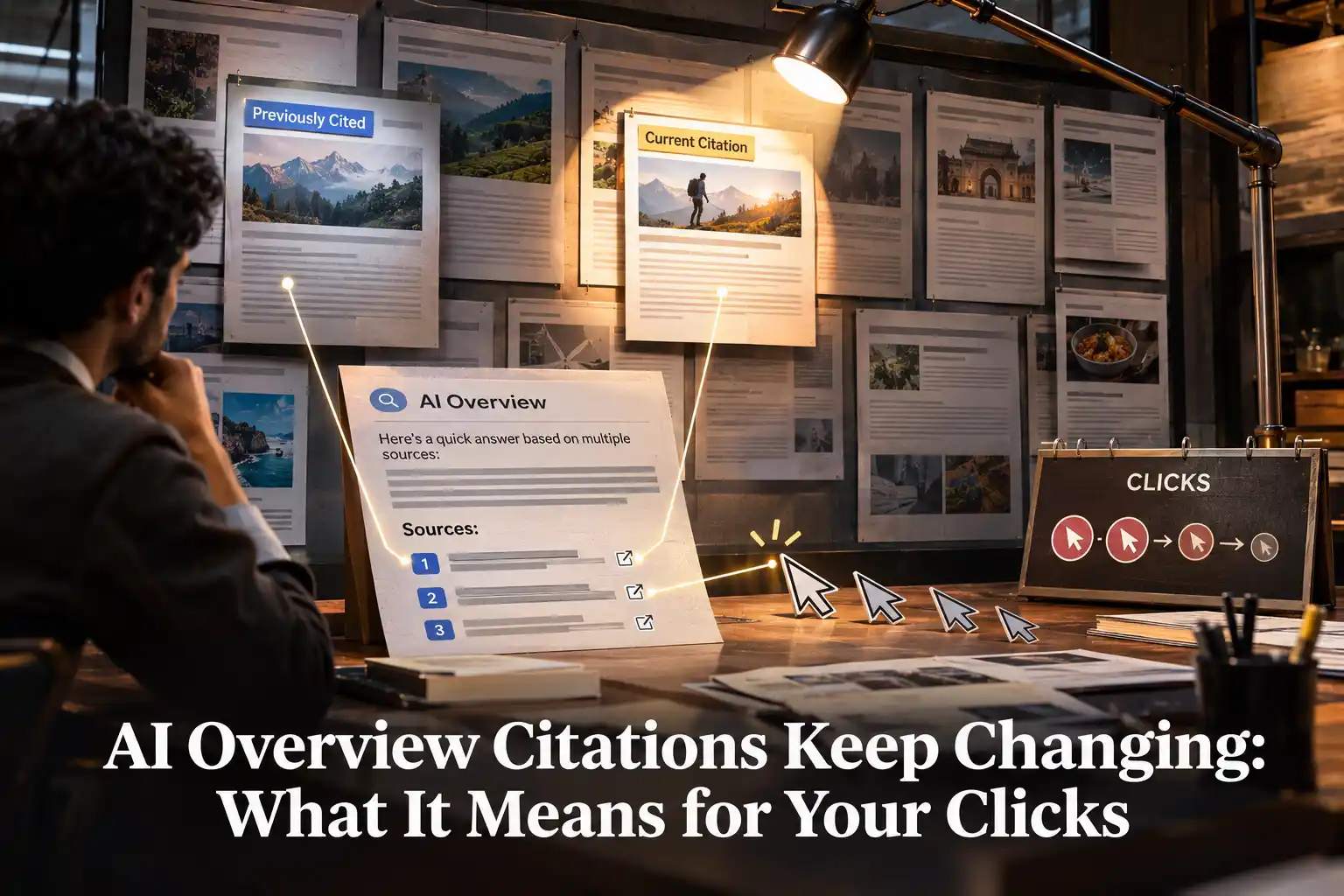
AI Overview Citations Keep Changing: What It Means for Your Clicks For a long time, Google search was easy to…

Website Design for AI Mode: What Changes After Gemini 4 Argon Website design for AI Mode is the practice of…

PHP Hacked: What Your Business Website Needs to Do Right Now PHP hacked means someone has broken into your website…
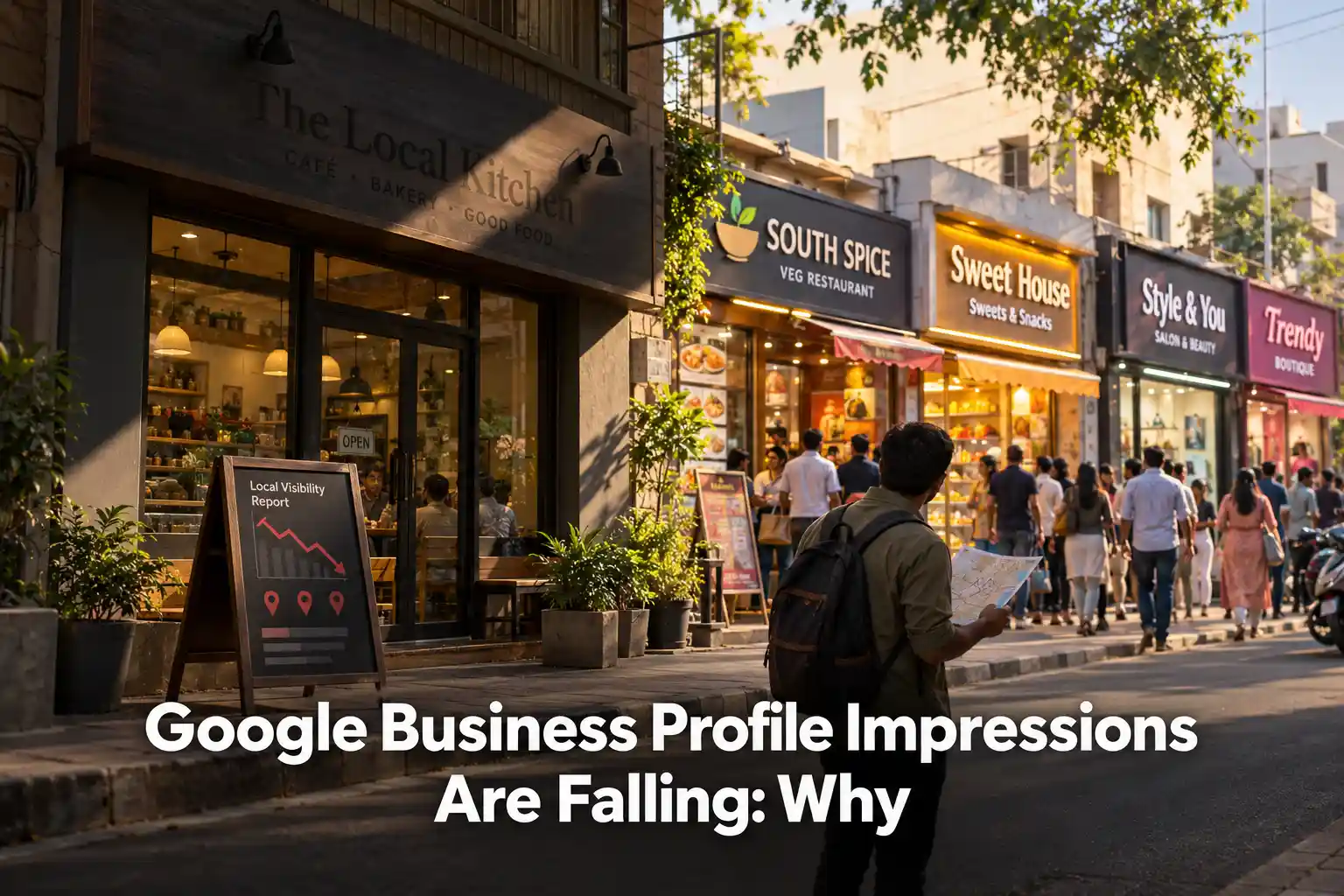
Google Business Profile Impressions Are Falling: Why Google Business Profile impressions are falling because AI Overviews and zero-click results now…
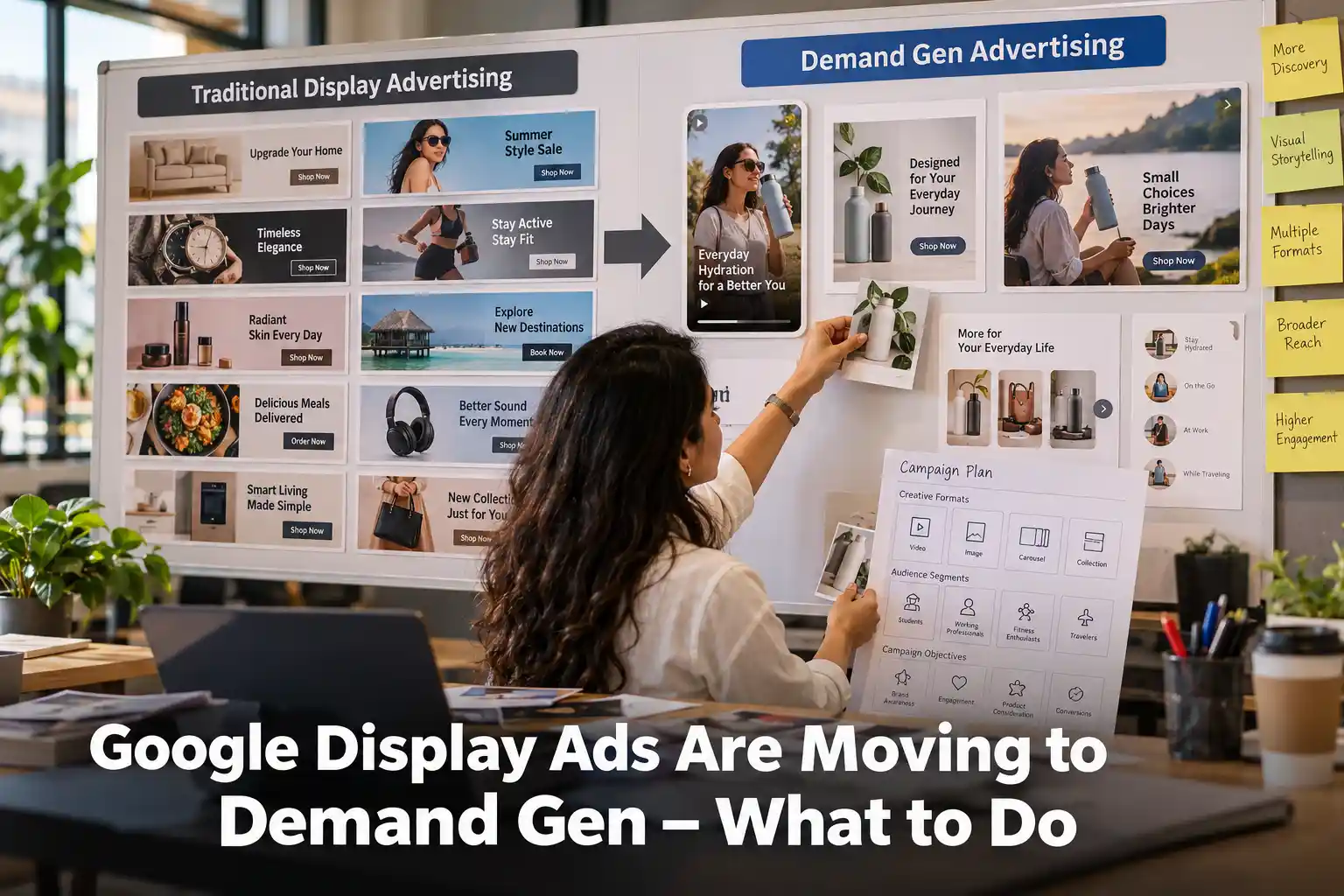
Google Display Ads Are Moving to Demand Gen – What to Do Google Display Ads are moving into Demand Gen,…

ChatGPT Visual Ads Are Coming. What Brands Should Know Ask ChatGPT to create an image, and you may soon see…
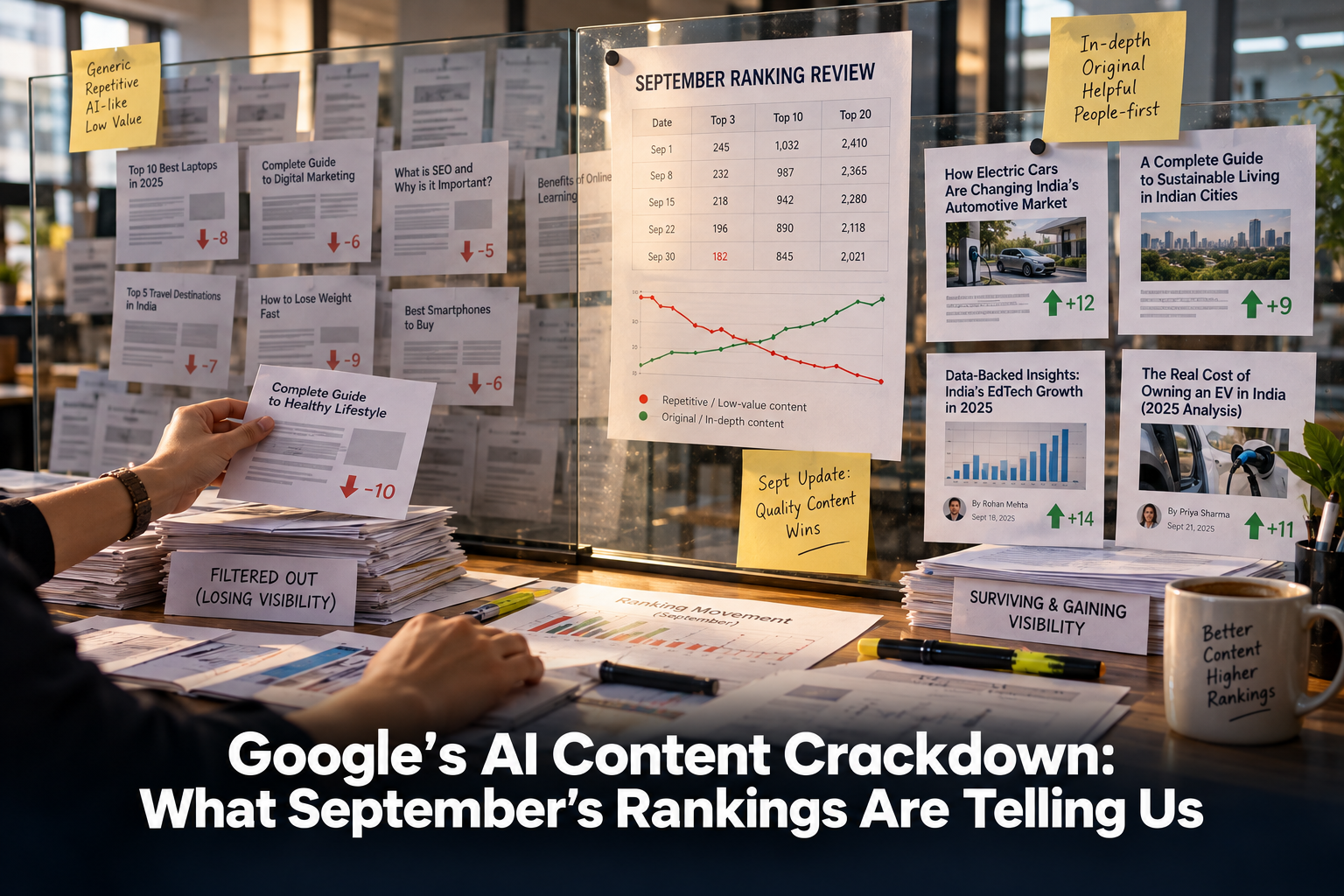
Google’s AI Content Crackdown: What September’s Rankings Are Telling Us Google’s AI content crackdown became one of the most talked-about…
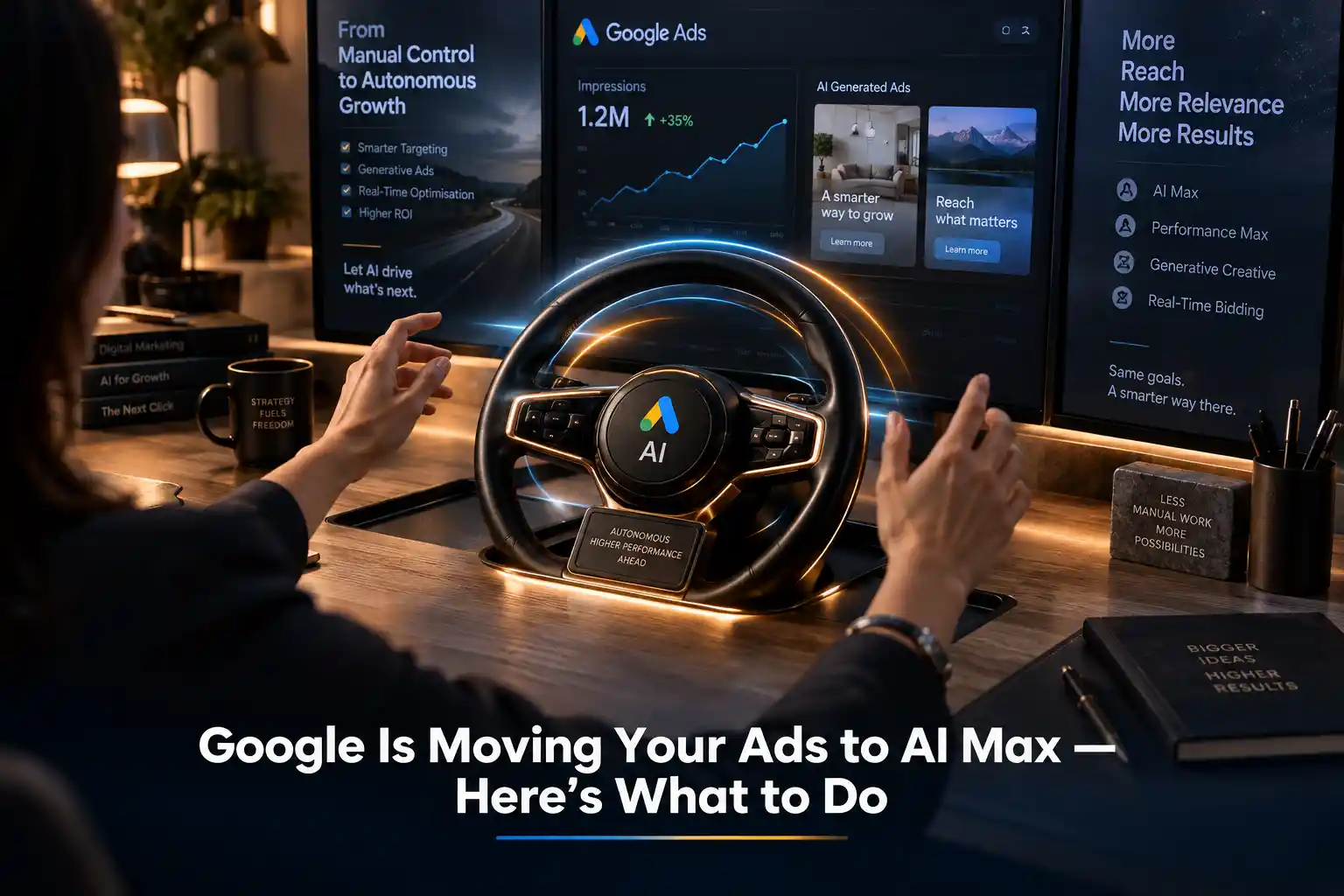
Google Is Moving Your Ads to AI Max — Here’s What to Do AI Max is Google’s newest bid to…
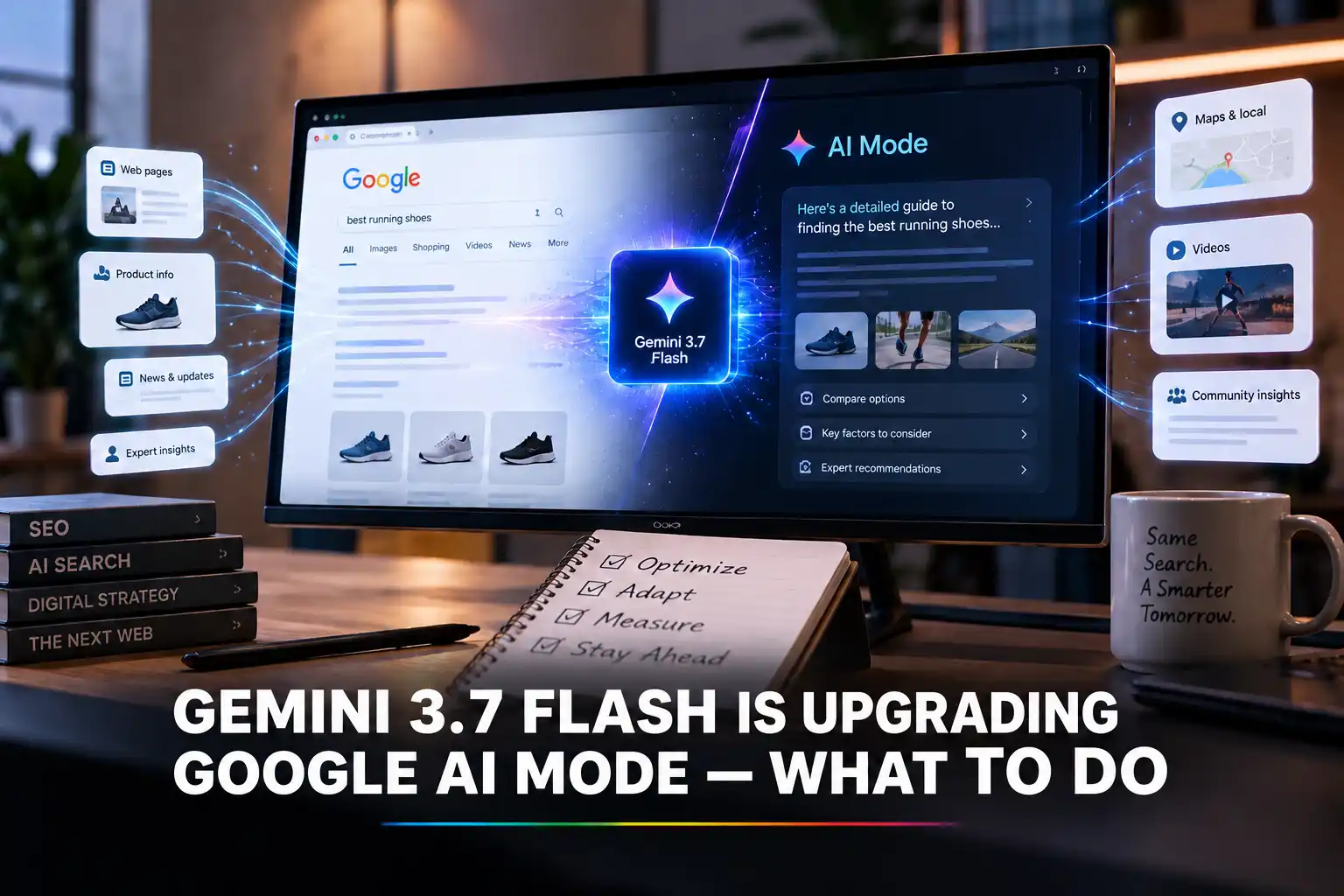
Gemini 3.7 Flash Is Upgrading Google AI Mode — What to Do Gemini 3.7 Flash arrived inside Google AI Mode…
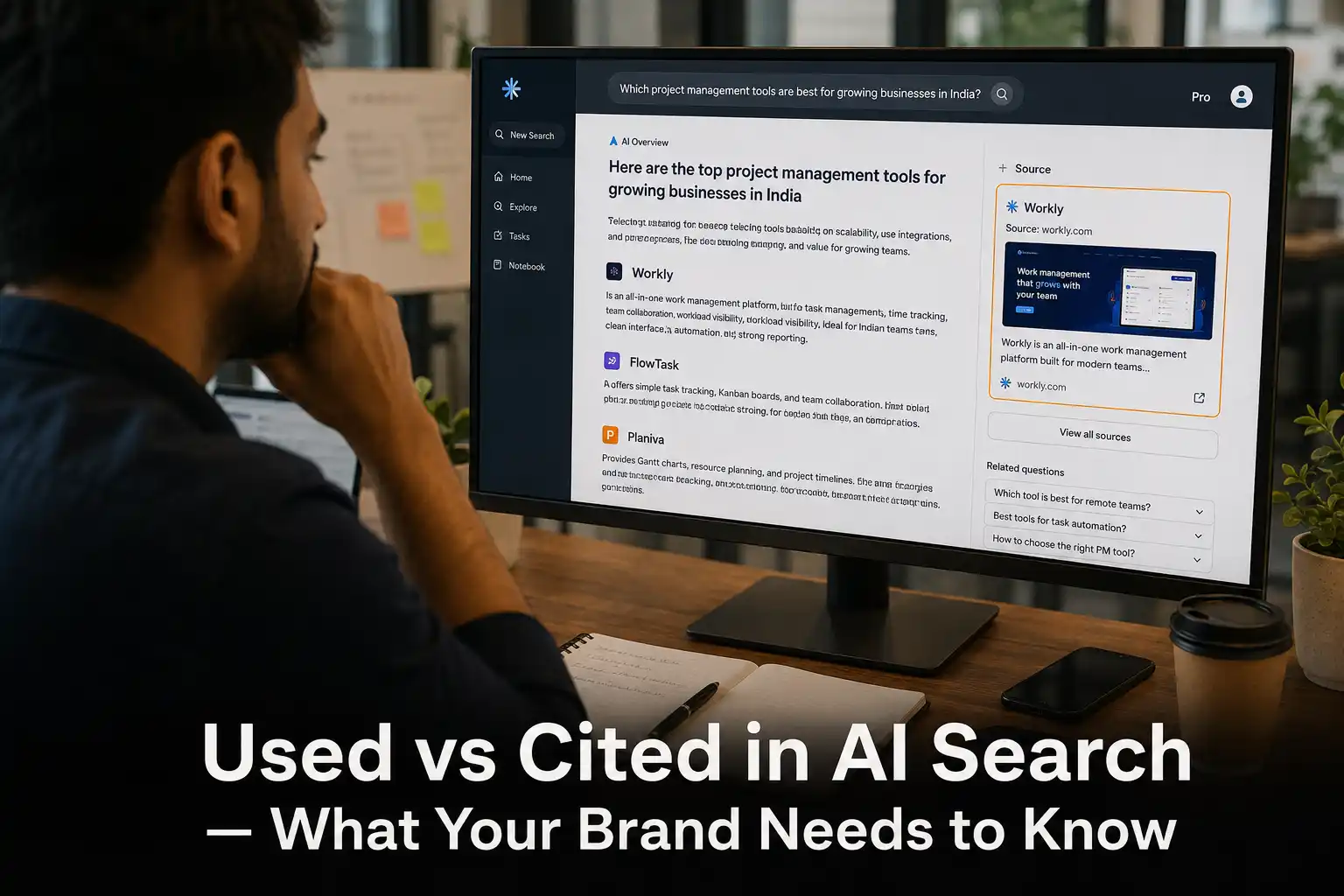
Used vs Cited in AI Search — What Your Brand Needs to Know AI search has quietly split brand visibility…
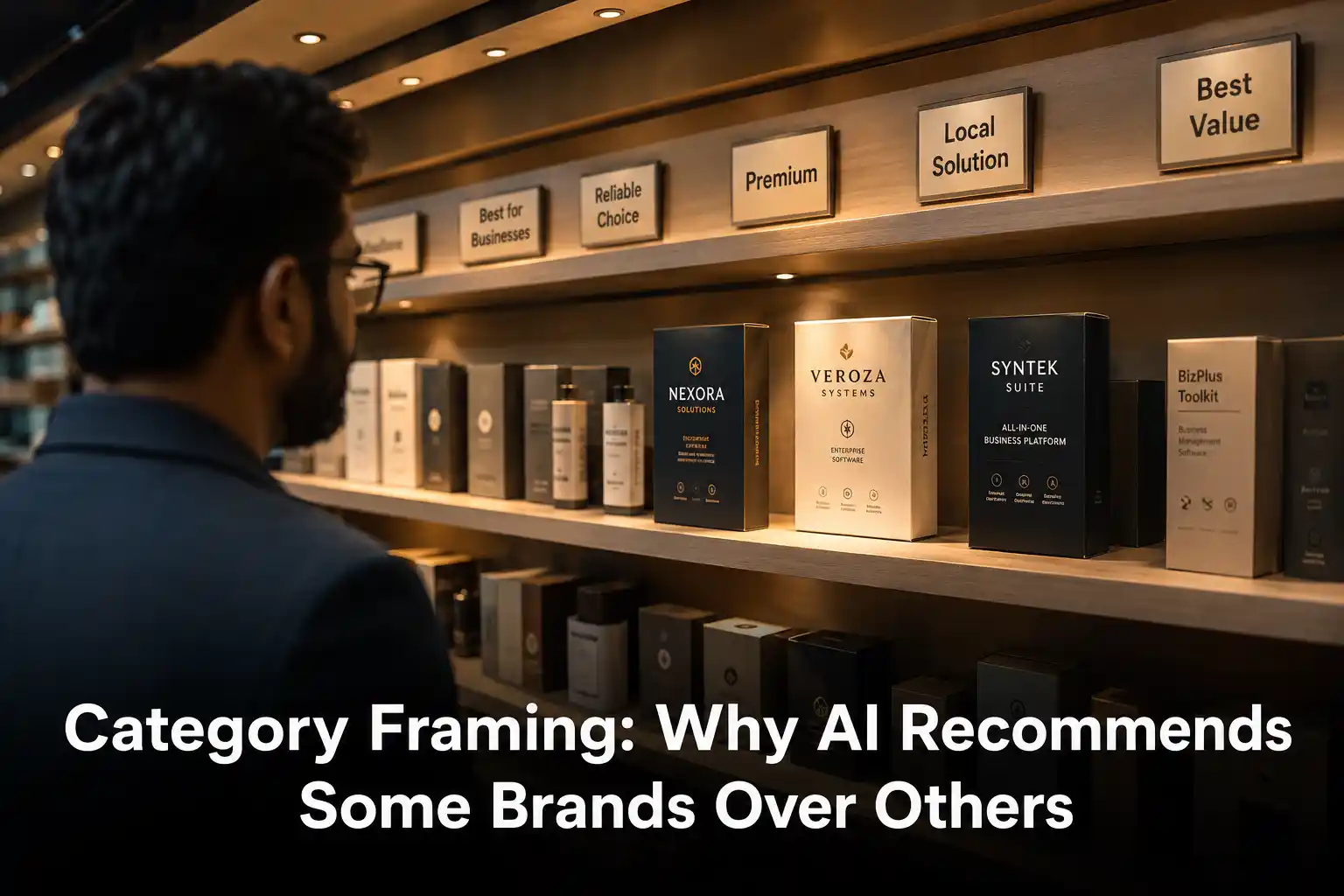
Category Framing: Why AI Recommends Some Brands Over Others Category framing is quietly deciding which brands show up when someone…