
ChatGPT Business Hub: How to Claim and Verify Your Business for Free
ChatGPT Business Hub: How to Claim and Verify Your Business for Free Every day, millions of people ask ChatGPT where…

Voice Search Optimisation isn’t some faraway tech trend you can afford to ignore—it’s actively changing how your customers find you today. Think about your own habits. You’re navigating traffic, hands on the wheel, or juggling groceries, and instead of typing out a neat little search query, you just yell out, “Hey Google, who’s the best web developer near me?” or “Siri, find an open digital agency.” If your business isn’t optimized to pop up for those spoken, real-time questions, you’re missing out on a massive chunk of ready-to-buy traffic.
Mobile behavior has shifted fast. People want instant answers on the fly, and they don’t want to dig through dense paragraphs on a tiny screen to get them. Prepping your brand for this shift doesn’t take a technical miracle. A few practical, intentional tweaks to your digital setup will ensure your business actually gets heard when people start talking.
Table of Contents
Why is Voice Search Optimisation suddenly dominating the conversation among marketing teams? It mostly boils down to the way we talk versus the way we type. When you sit at a laptop, you use clunky, fragmented shorthand like “SEO agency Chennai.” But when you speak out loud? You use full, natural sentences. You ask, “Which SEO agency in Chennai has the best reviews for small businesses?”
This shift to a conversational tone hits AEO (Answer Engine Optimisation) and GEO (Generative Engine Optimisation) right where it counts. AI tools like ChatGPT or Google’s AI Overviews look for content that reads like a real person answering a colleague. If your website text sounds like a rigid corporate brochure, voice assistants will scroll right past you. Writing the way your customers talk keeps you visible on both standard search pages and the new AI engines.
Winning the voice search game means changing how you layout your pages. To handle Voice Search Optimisation properly, your content has to mirror the chaos of natural human speech. Here are three straightforward ways to make your site audio-friendly:
Getting picked as the single answer Siri or Alexa reads aloud takes a bit of deliberate formatting. This is where Answer Engine Optimisation (AEO) rules come into play. When a smart assistant handles a query, it usually grabs a tight, punchy block of text from an authoritative page.
To grab that spot, organize your key pages with a direct question as your subhead, then answer it immediately in a clean, 40-to-60-word statement. You’re essentially giving the voice algorithm a ready-made snippet on a silver platter. Throwing in FAQ schema markup in the backend also signals to search bots that your content is tailor-made for quick, direct answers.
It’s simply organizing your website content so smart assistants—like Siri, Alexa, or Google Assistant—can quickly scan your site, pull the right data, and read it out loud to a user.
It actually makes it better. Standard SEO targets short, typed phrases. Voice search forces you to capture longer, question-based keywords, helping you pull in highly targeted traffic that traditional keywords often miss.
Build a dedicated FAQ page. Write out the exact, raw questions your clients ask your team over the phone or via email, and answer them directly, plainly, and without any corporate fluff.
Absolutely. Voice search increasingly relies on generative AI engines to summarize data. This means you need strong reviews, solid brand mentions, and high-quality backlinks so AI tools trust your authority enough to quote you.
The way people interact with the web is shifting, and voice commands are at the front of the pack. Treating Voice Search Optimisation like a minor tech project is a luxury most businesses can’t afford anymore. The brands winning the digital space are the ones tailoring their sites to real human speech patterns and lightning-fast answers.
Keeping up with traditional search, AI systems, and voice tech can feel like moving targets. You don’t have to piece it together alone. Turnihi Tech Solutions helps businesses build modern, future-proof digital strategies, making sure your brand stays clear, cited, and heard—no matter how your audience chooses to ask for you.
Share Post:

Related Post

ChatGPT Business Hub: How to Claim and Verify Your Business for Free Every day, millions of people ask ChatGPT where…

AI Website Builder vs Web Designer: What Your Business Really Needs A few years ago, building a website meant hiring…

AI Overview Citations Keep Changing: What It Means for Your Clicks For a long time, Google search was easy to…

Website Design for AI Mode: What Changes After Gemini 4 Argon Website design for AI Mode is the practice of…

PHP Hacked: What Your Business Website Needs to Do Right Now PHP hacked means someone has broken into your website…
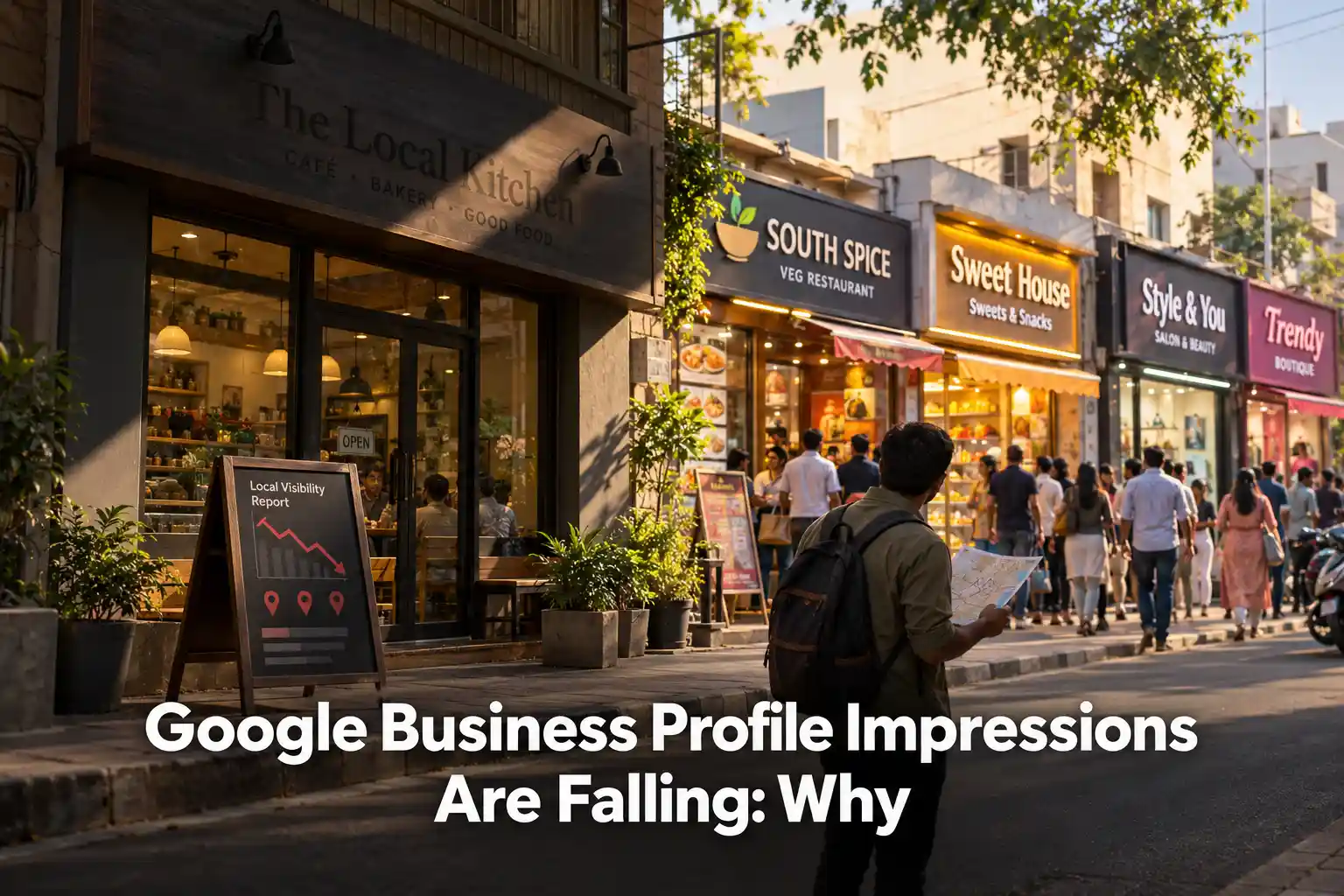
Google Business Profile Impressions Are Falling: Why Google Business Profile impressions are falling because AI Overviews and zero-click results now…

Google Display Ads Are Moving to Demand Gen – What to Do Google Display Ads are moving into Demand Gen,…

ChatGPT Visual Ads Are Coming. What Brands Should Know Ask ChatGPT to create an image, and you may soon see…

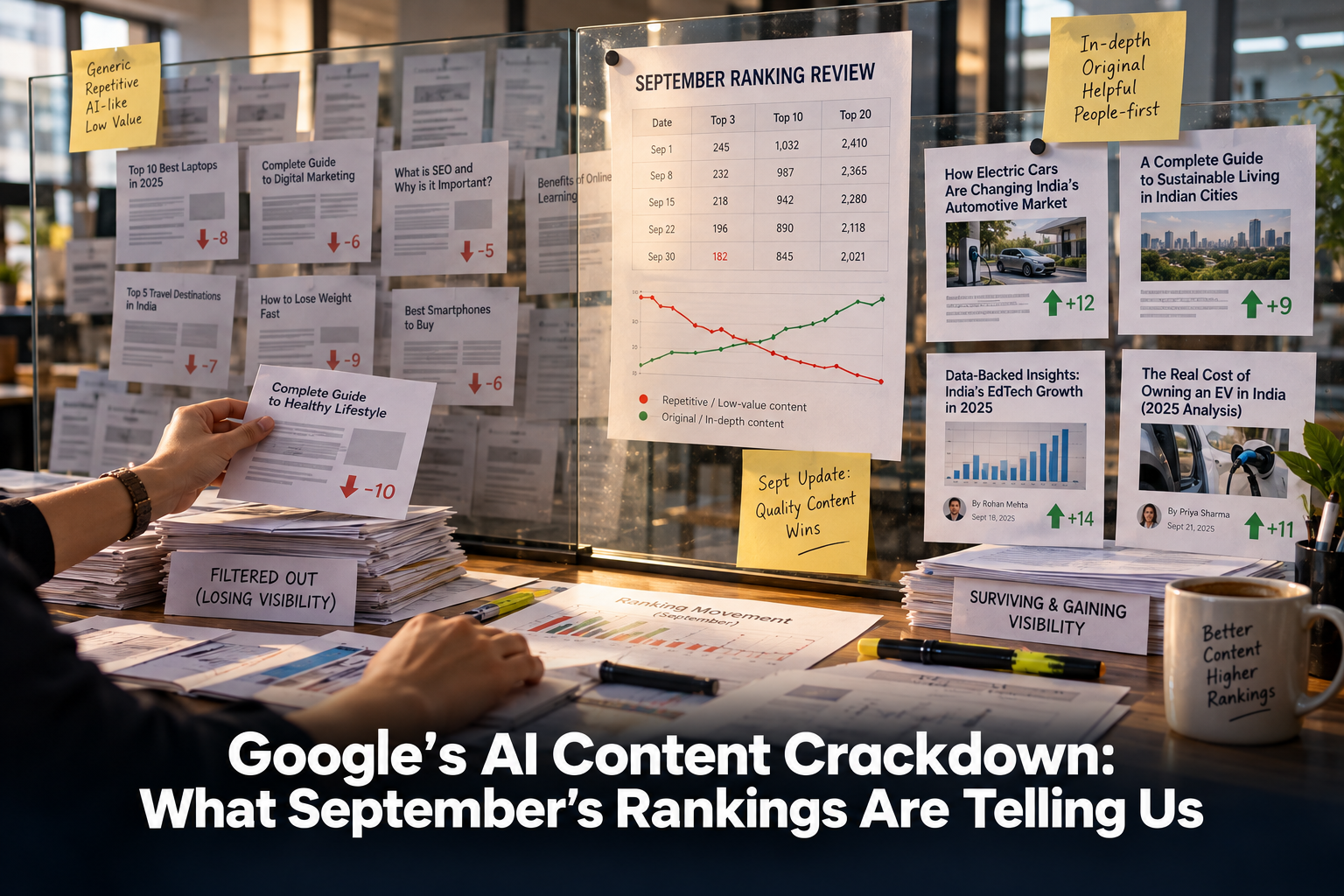
Google’s AI Content Crackdown: What September’s Rankings Are Telling Us Google’s AI content crackdown became one of the most talked-about…
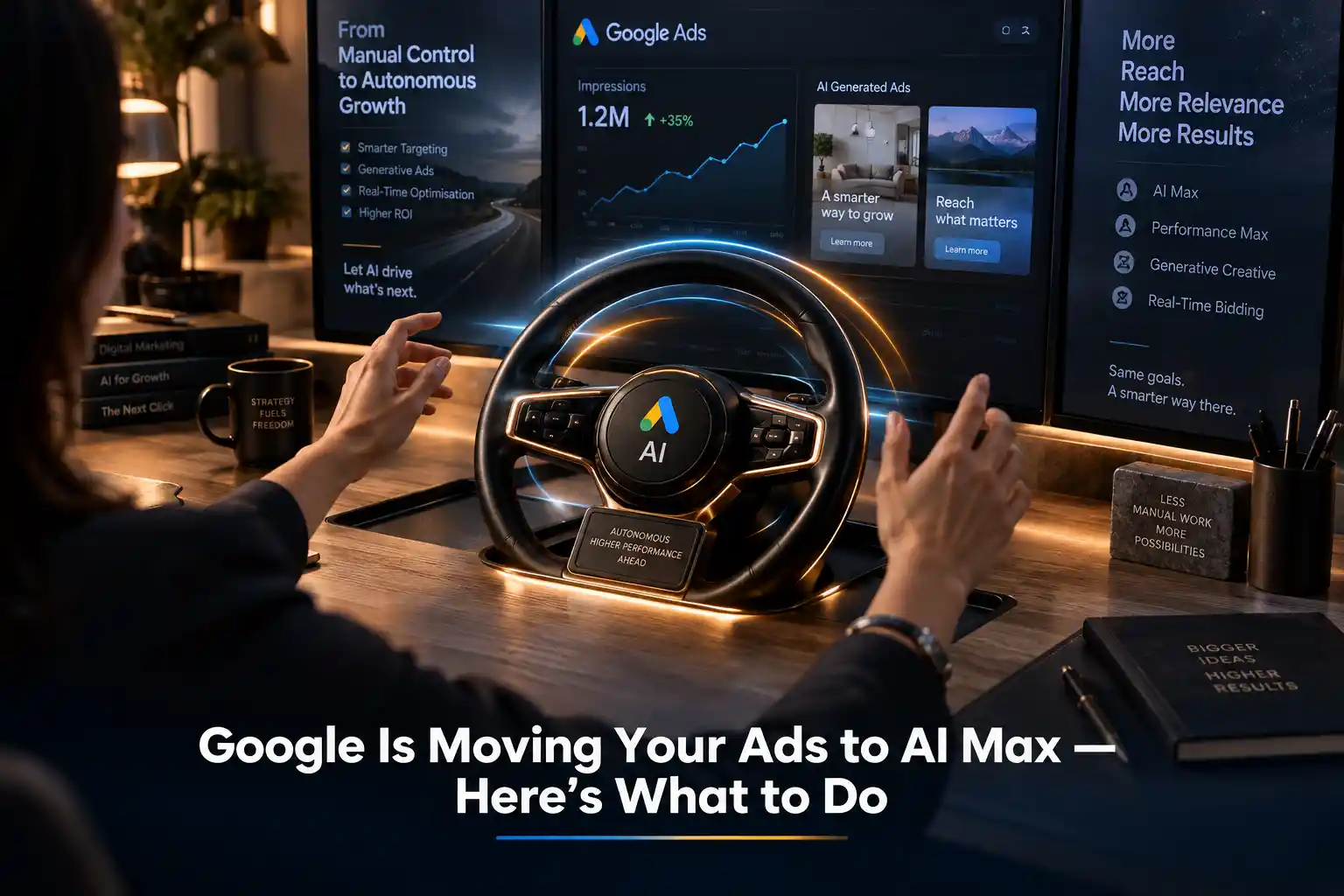
Google Is Moving Your Ads to AI Max — Here’s What to Do AI Max is Google’s newest bid to…
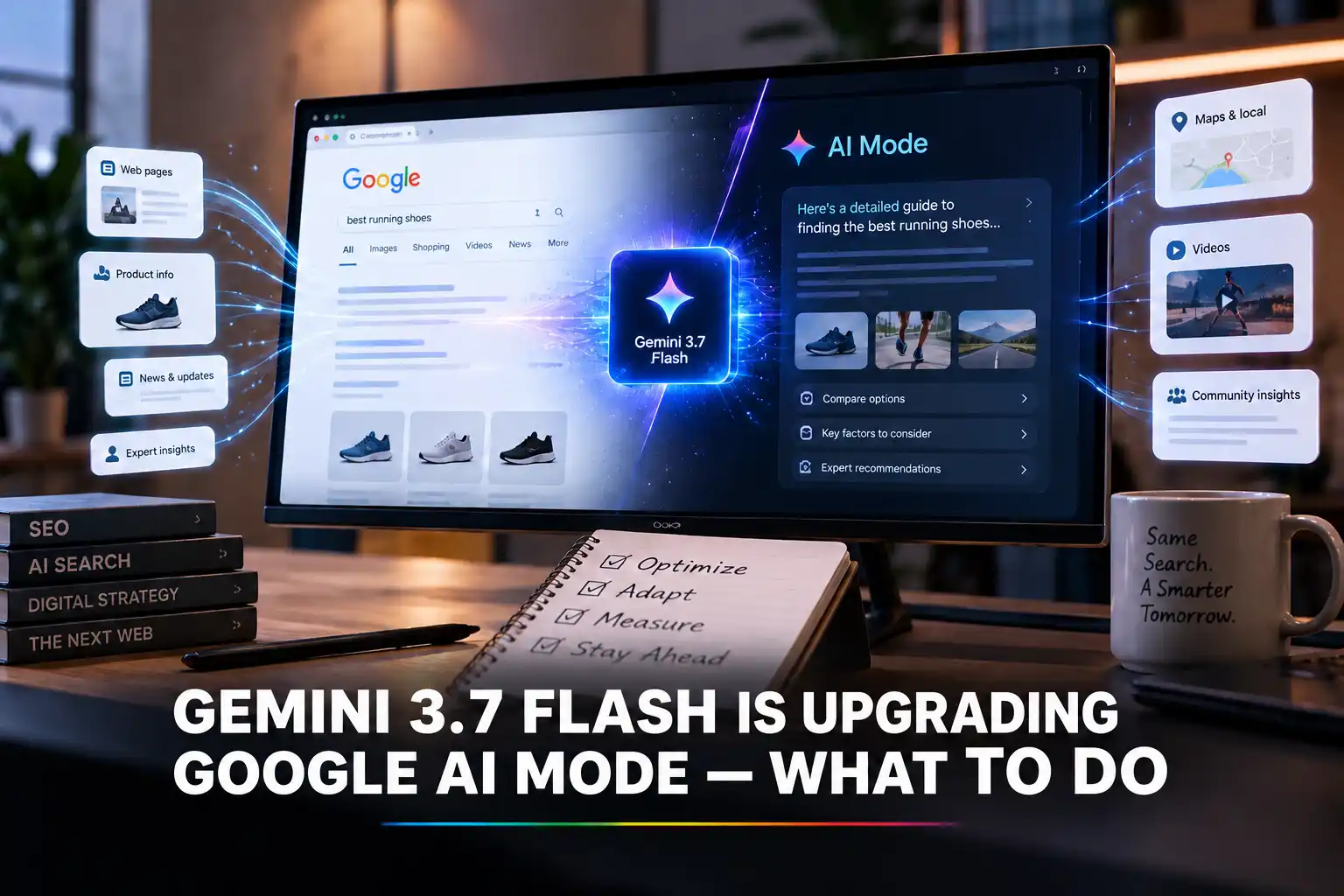
Gemini 3.7 Flash Is Upgrading Google AI Mode — What to Do Gemini 3.7 Flash arrived inside Google AI Mode…