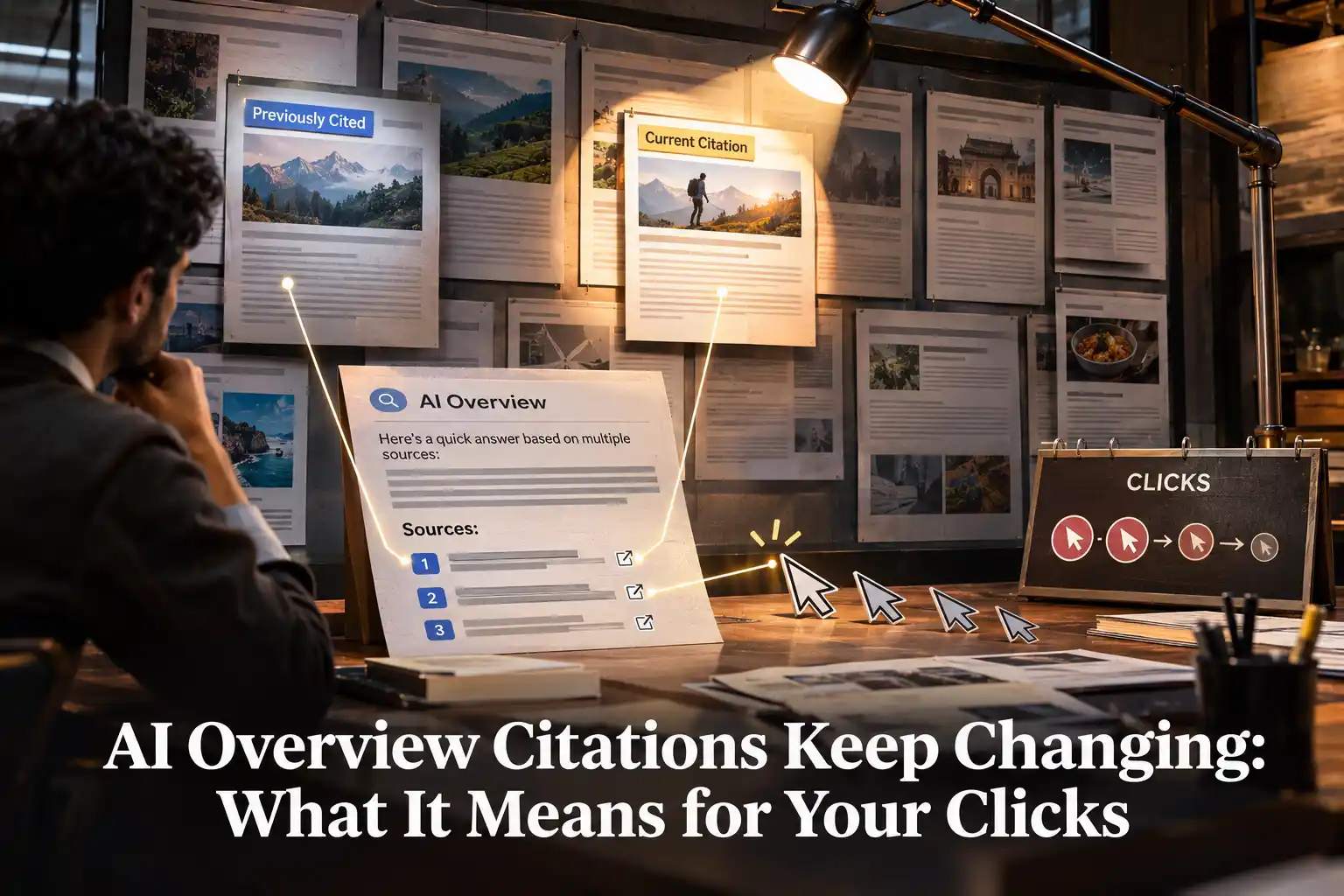
AI Overview Citations Keep Changing: What It Means for Your Clicks
AI Overview Citations Keep Changing: What It Means for Your Clicks For a long time, Google search was easy to…

AI in digital marketing is one of those phrases that gets thrown around constantly — but very few people stop to explain what it actually means in practice. It is not just chatbots and automated emails. It is a fundamental shift in how businesses reach customers, how search engines decide what to show, and how marketing decisions get made.
If you have been wondering what all the noise is about and what it means for your business specifically, this blog is for you.
Table of Contents
At its simplest, AI in digital marketing means using machine learning and intelligent software to make marketing faster, smarter, and more personalised — without needing a human to manage every single decision.
Traditional marketing relied heavily on gut instinct and manual analysis. You would run a campaign, wait a few weeks, pull a report, and adjust. AI compresses that entire cycle. It learns from data in real time, spots patterns that humans would miss, and makes adjustments automatically.
That could mean an ad platform shifting budget toward the best-performing creative mid-campaign. Or a content tool analysing thousands of search queries to tell you exactly what your audience wants to read. Or a recommendation engine on an e-commerce site showing each visitor something different based on their browsing behaviour.
The common thread is this — AI removes guesswork and replaces it with decisions based on data.
The impact of AI on digital marketing is not subtle. It is reshaping almost every channel, and the pace of change has picked up significantly over the last two years.
Search is probably where the change is most visible. Google has moved from a link-ranking engine to an answer-generating one. AI Overviews now appear at the top of many search results, giving users a synthesised answer before they see a single website link. This means businesses can no longer rely on traditional SEO alone to stay visible. Content needs to be structured so that AI systems can read it, trust it, and reference it.
Paid advertising has changed too. Google Ads and Meta Ads now use AI to manage bidding, targeting, and creative testing in ways that would have required an entire team just a few years ago. Smart campaigns learn from conversion data and continuously optimise without manual input — which is powerful when set up correctly, and risky when left unchecked.
Content marketing has been turned upside down. AI writing tools have made it possible to produce content at scale, which means the internet is now flooded with average, formulaic content. The businesses that stand out are the ones producing content that is genuinely useful, clearly written, and built around real expertise — not just volume.
Here is the honest reality. If your competitors are using AI tools effectively and you are not, they are moving faster, spending smarter, and showing up in places you are not. That gap compounds over time.
But this is not just about keeping up. AI also levels the playing field in ways that genuinely benefit smaller businesses. A well-structured blog optimised for AI search can get cited in Google AI Overviews and reach thousands of people without a single rupee spent on ads. A small business running a smart Google Ads campaign with proper AI settings can compete with brands spending ten times more.
The opportunity is real. But it requires understanding what is actually changing and making deliberate choices — not just adopting every new tool that launches.
AI is used across content creation, paid advertising, SEO, email personalisation, customer segmentation, and analytics. Most major platforms — Google, Meta, HubSpot — have AI built into their core features already.
It is changing what marketers spend their time on, not eliminating the need for them. Repetitive tasks are being automated, which frees up time for strategy, creativity, and relationship-building — the parts AI cannot replicate.
The shift in search behaviour is arguably the biggest. AI-generated answers are changing how people find information, which means how businesses structure and publish content needs to evolve alongside it.
Start by identifying where you spend the most time or where results are inconsistent. Those are usually the areas where AI tools deliver the fastest, most measurable impact.
AI in digital marketing is not a trend heading your way. It is already here, already embedded in the platforms you use, and already influencing whether your business gets found or gets overlooked.
The good news is that understanding it does not require a technical background or a big budget. It requires curiosity, a willingness to test things, and a clear view of where your marketing is currently falling short.
Start with search. Understand how AI Overviews work and whether your content is structured to appear in them. Look at your ad campaigns and check whether the AI features are actually set up to serve your goals. And if content is your focus, think quality over quantity — every time.
At Turnihi, we work with businesses at exactly this stage — figuring out where AI fits, what to prioritise, and how to build a marketing strategy that holds up as things keep evolving. If that sounds like where you are right now, we would love to talk.
Share Post:

Related Post
AI Overview Citations Keep Changing: What It Means for Your Clicks For a long time, Google search was easy to…

Website Design for AI Mode: What Changes After Gemini 4 Argon Website design for AI Mode is the practice of…

PHP Hacked: What Your Business Website Needs to Do Right Now PHP hacked means someone has broken into your website…
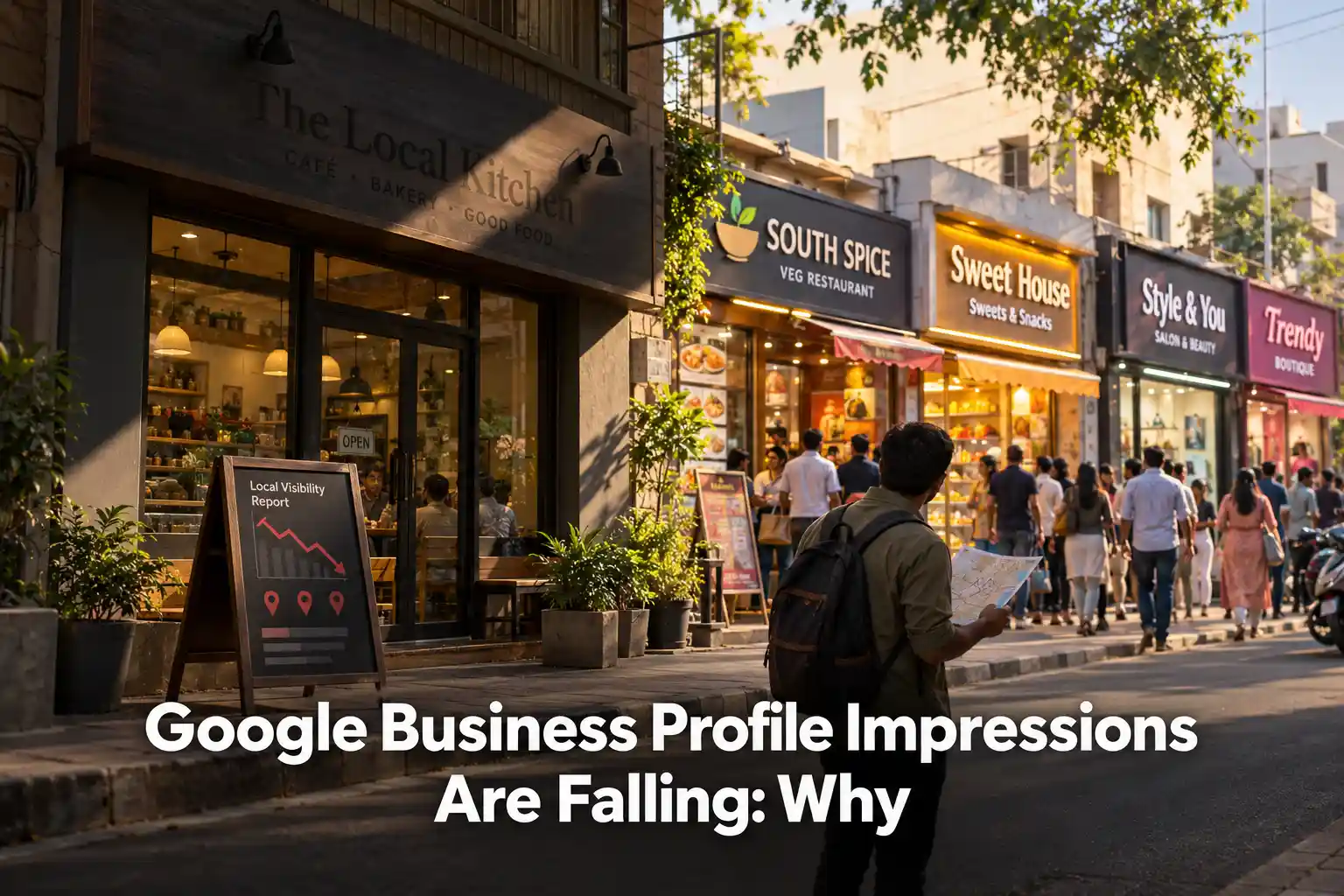
Google Business Profile Impressions Are Falling: Why Google Business Profile impressions are falling because AI Overviews and zero-click results now…
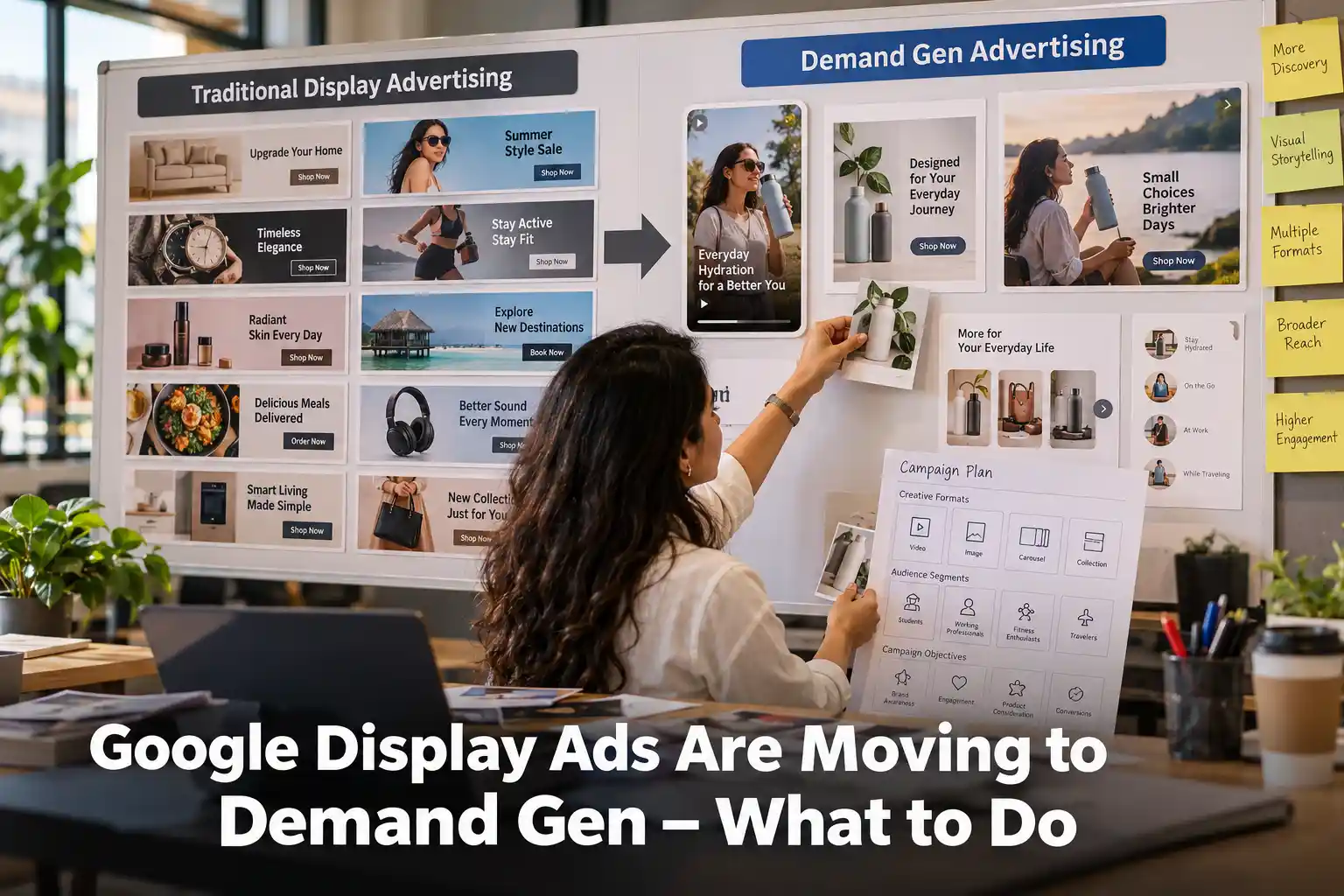
Google Display Ads Are Moving to Demand Gen – What to Do Google Display Ads are moving into Demand Gen,…

ChatGPT Visual Ads Are Coming. What Brands Should Know Ask ChatGPT to create an image, and you may soon see…
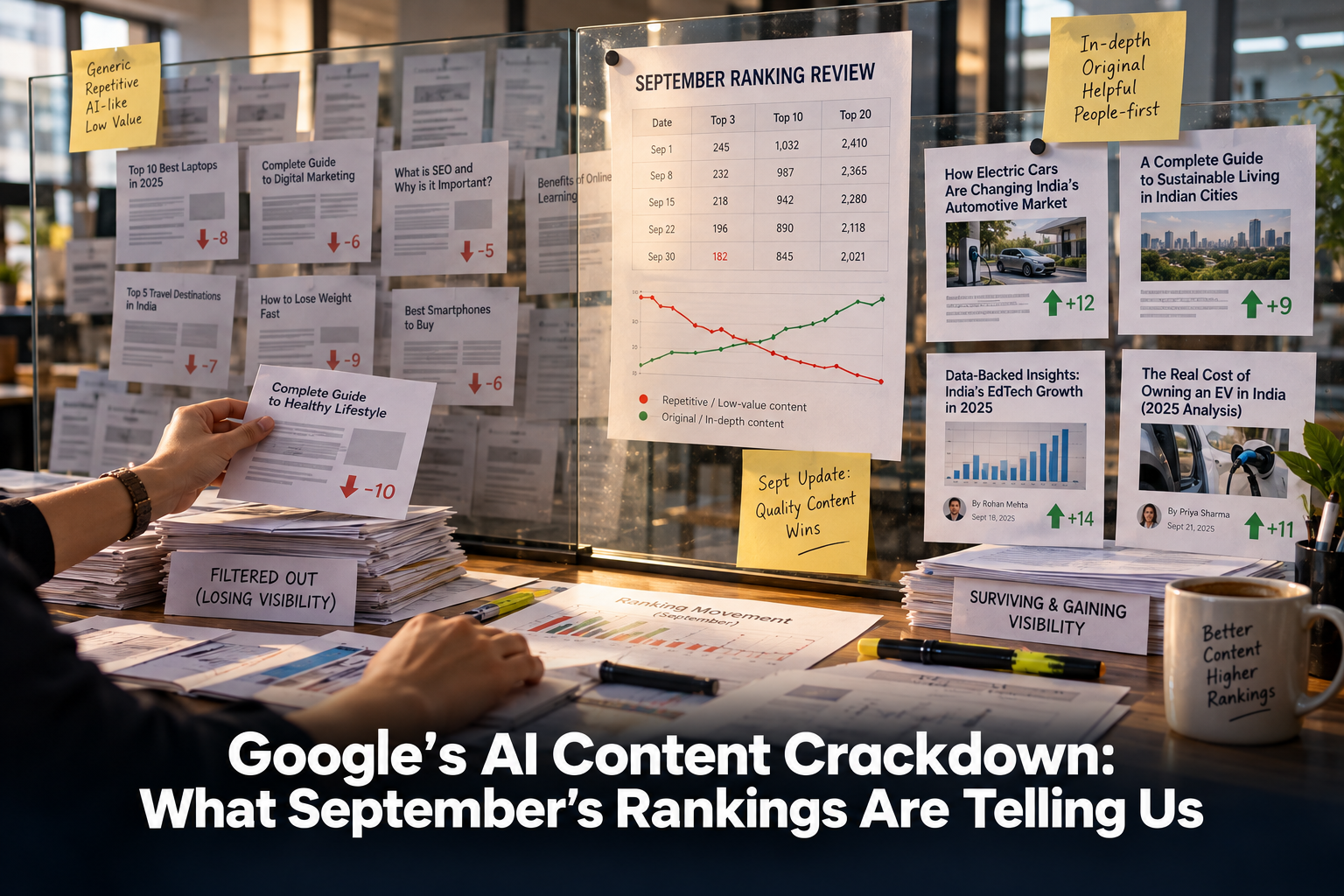
Google’s AI Content Crackdown: What September’s Rankings Are Telling Us Google’s AI content crackdown became one of the most talked-about…
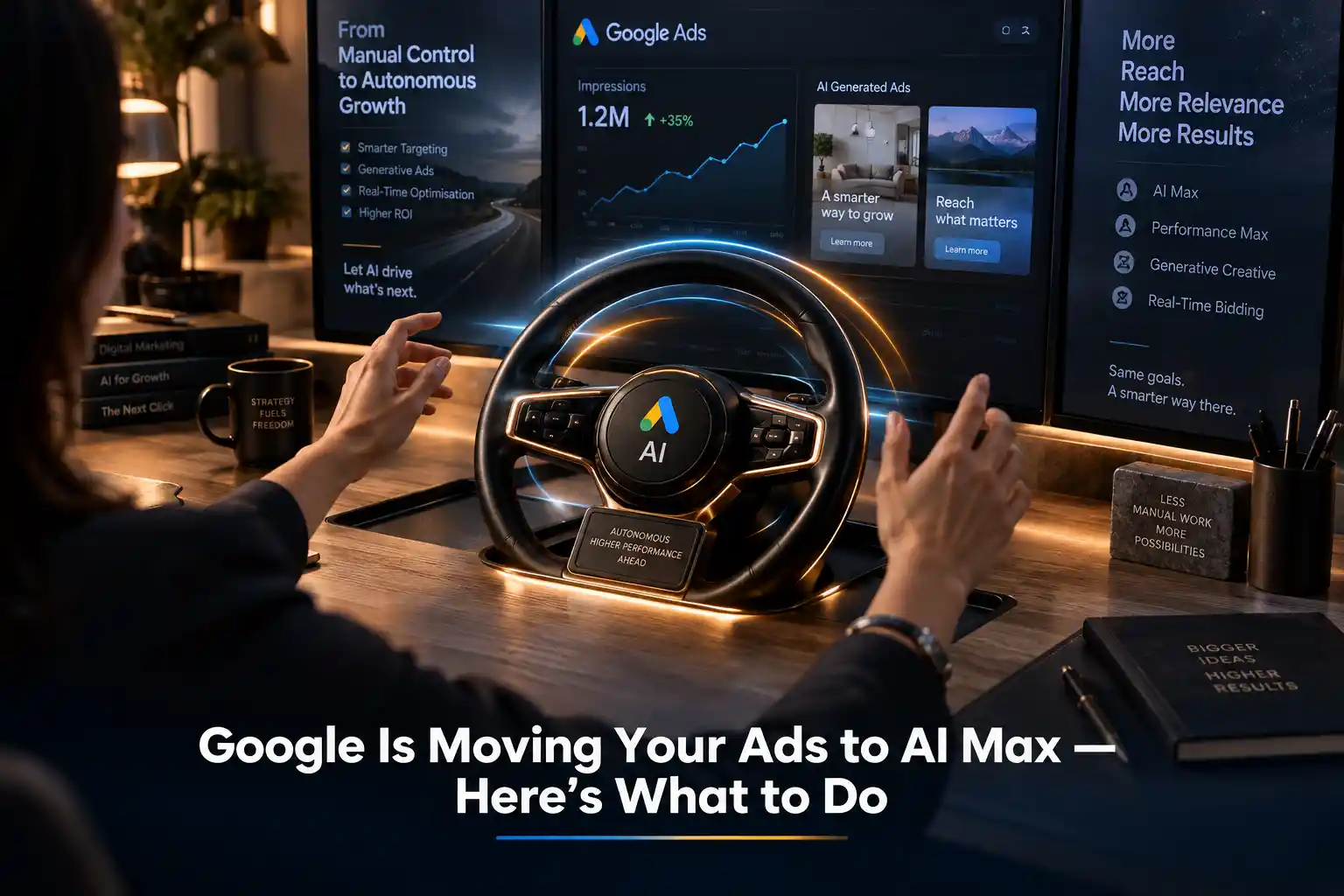
Google Is Moving Your Ads to AI Max — Here’s What to Do AI Max is Google’s newest bid to…
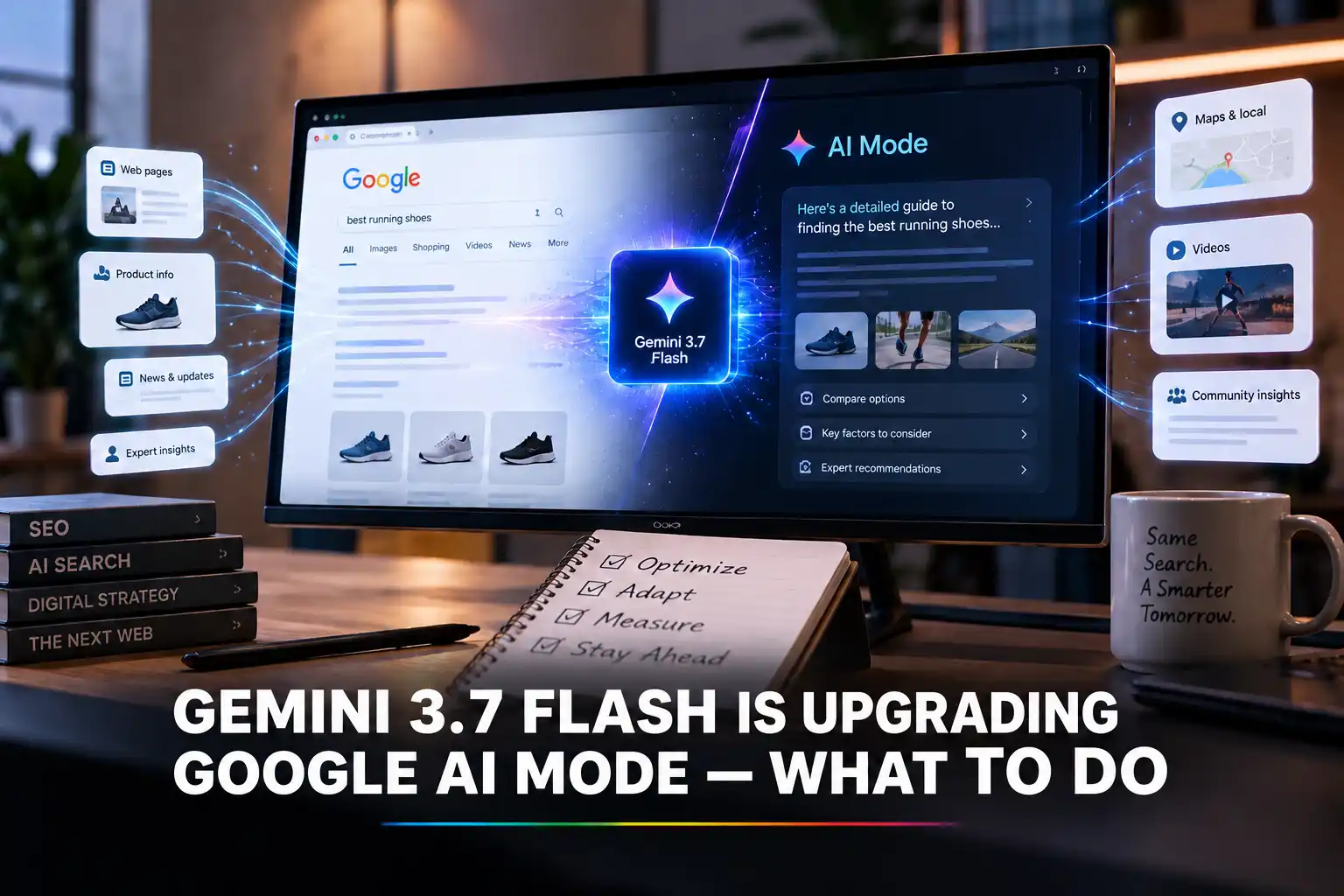
Gemini 3.7 Flash Is Upgrading Google AI Mode — What to Do Gemini 3.7 Flash arrived inside Google AI Mode…
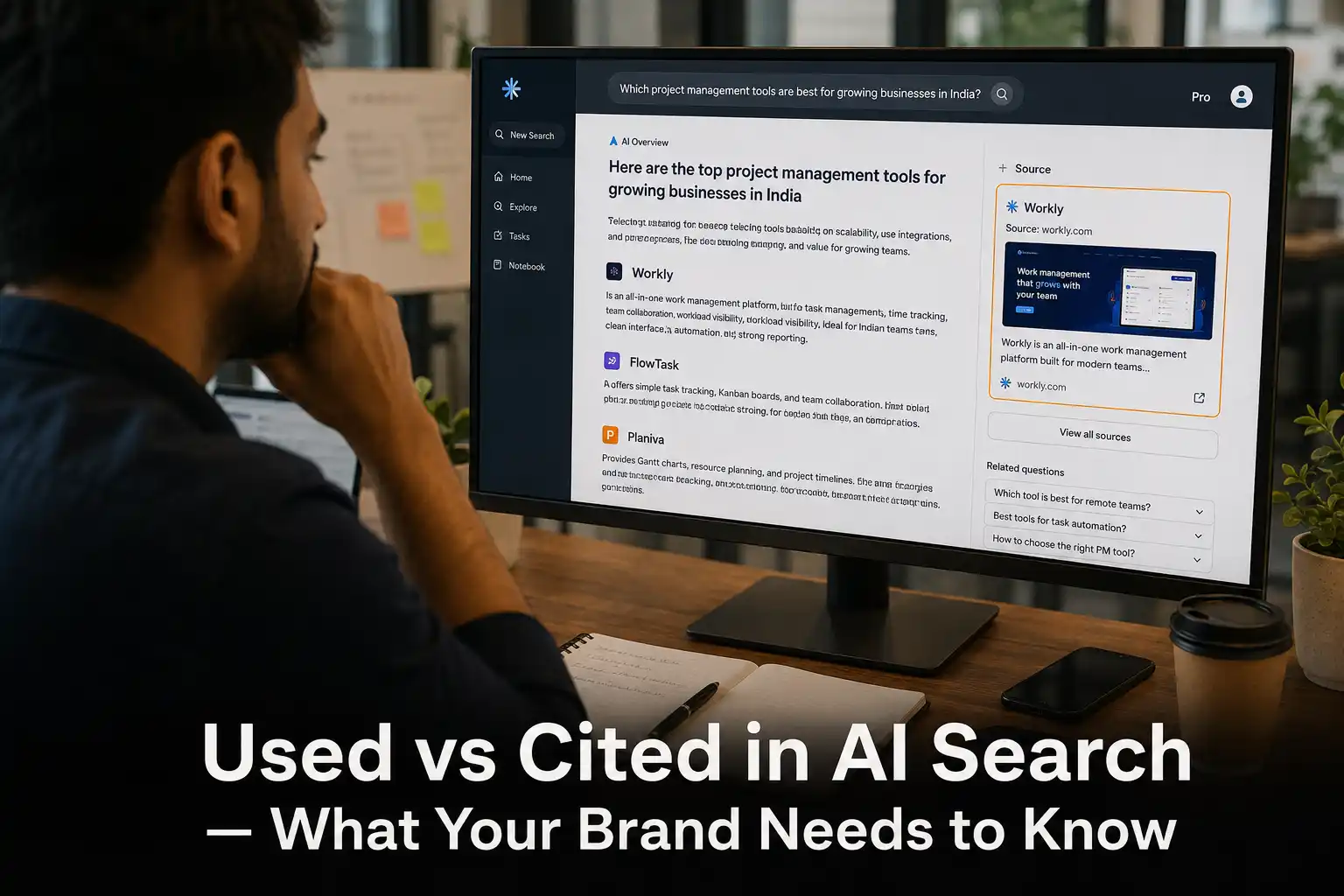
Used vs Cited in AI Search — What Your Brand Needs to Know AI search has quietly split brand visibility…
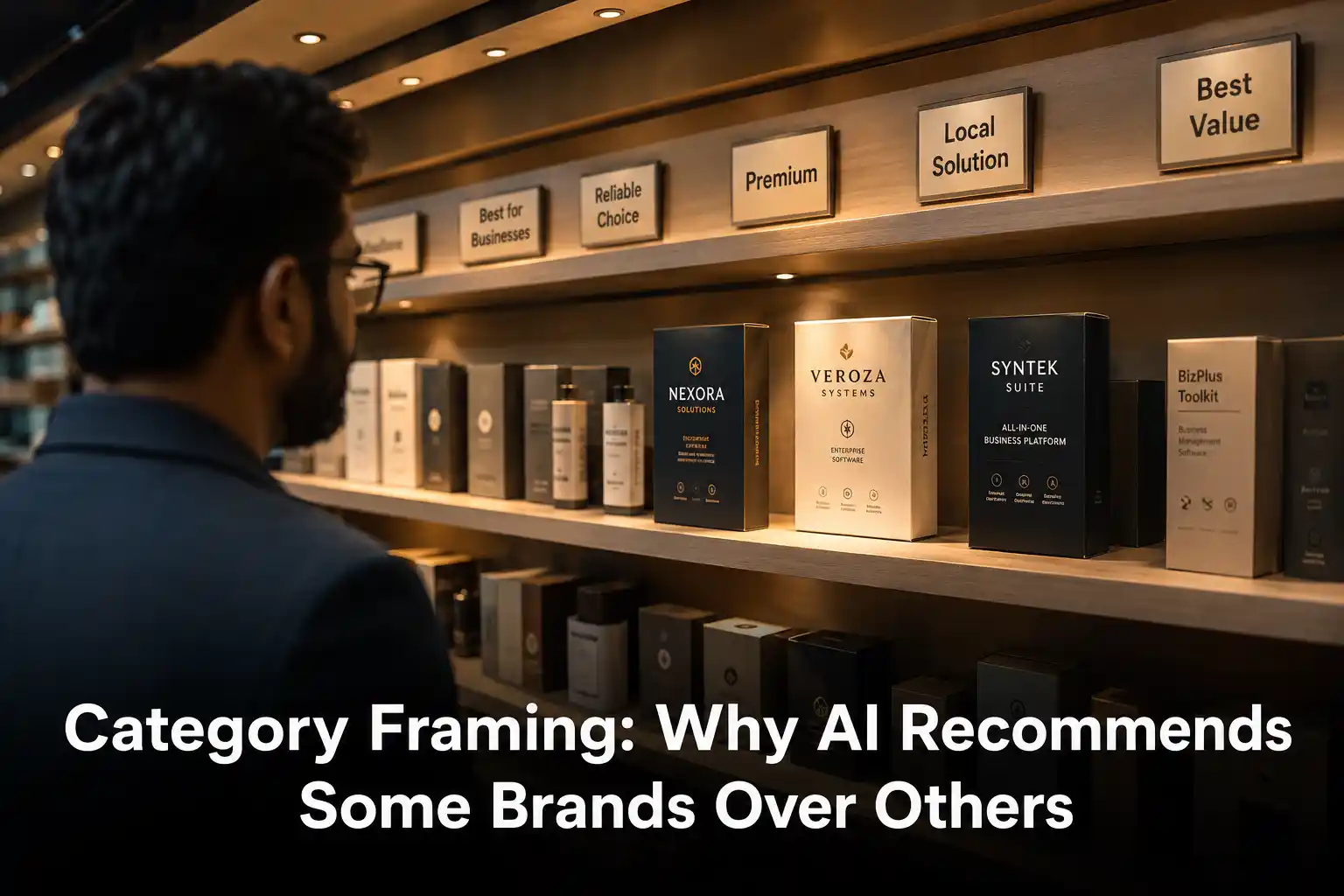
Category Framing: Why AI Recommends Some Brands Over Others Category framing is quietly deciding which brands show up when someone…