
Website Design for AI Mode: What Changes After Gemini 4 Argon
Website Design for AI Mode: What Changes After Gemini 4 Argon Website design for AI Mode is the practice of…

Entity SEO is the practice of helping search engines understand your business not as a list of keywords, but as a real, distinct entity — a recognised “thing” with a name, attributes, and relationships to your location, industry, and competitors. Instead of asking “does this page rank for the right words,” entity SEO asks “does Google actually know who I am.” That difference is starting to decide who gets found and who gets skipped in an AI-driven search landscape.
If you’ve already read about local SEO, GEO, or AEO, entity SEO sits right alongside them as the next layer. It’s less about chasing rankings and more about building a digital identity that both humans and AI systems can trust.
Table of Contents
At its core, entity SEO means establishing your business as a known entity inside Google’s Knowledge Graph. This is the database Google uses to store facts about people, places, organisations, and concepts. Think of it as Google cross-checking your existence. Your business name on your website should match your Google Business Profile, your social media, your directory listings, and any press mentions. When these signals line up, Google connects the dots. It then treats your brand as a verified entity, not just another website competing for the same keywords.
This matters because entities, not keywords, increasingly shape how search results come together. Google’s language models interpret queries in terms of entities and their relationships. They don’t just match isolated words on a page.
Entity SEO depends on many confirming signals from across the internet. These include consistent NAP details such as name, address, and phone, plus schema markup that tells search engines what your business is. Mentions or backlinks from credible sources help too, along with a complete Google Business Profile and structured data like Organization or LocalBusiness schema on your site.
Each of these acts like a small vote of confidence. The more consistent and verifiable they are, the more confidently search engines link your brand to specific facts: your industry, your services, your location, your reputation.
Traditional keyword SEO answers one question: what should this page rank for. Entity SEO asks something more fundamental: does Google trust that this business genuinely exists and does what it claims. That trust shows up directly in visibility. Knowledge Panels, local map packs, and voice search results all pull from entity data rather than page text alone.
For small and mid-sized businesses, this is good news. You don’t need to outspend a bigger competitor on keyword volume. You need consistency instead. A business with a tightly verified entity presence can genuinely outrank a competitor with a scattered, inconsistent digital footprint.
This is where entity SEO stops being optional. AI tools like Google’s AI Overviews, ChatGPT, and Perplexity don’t crawl the web the way traditional search engines do. They lean on structured, entity-based data to generate answers instead. If your business has clear, verified attributes, AI tools are far more likely to cite you inside their answers. If it doesn’t, you simply won’t show up, no matter how well-written your content is.
In short, entity SEO lays the foundation for GEO and AEO. AI systems can’t optimise around a business they don’t recognise as real.
A few practical starting points: audit your business name, address, and phone number across every platform. Add Organization and LocalBusiness schema to your website. Claim and fully complete your Google Business Profile. Build citations on relevant industry directories. Earn mentions from credible sources in your niche.
None of this happens overnight. But each step adds another confirming signal that tells search engines, and AI models, exactly who you are.
Entity SEO is the practice of helping search engines recognise your business as a verified, real-world entity rather than just a set of keyword-optimised pages.
Keyword SEO focuses on ranking for specific search terms. Entity SEO focuses on building trust and recognition around who your business actually is.
Yes. AI-driven search tools rely on entity data to generate and cite answers, so a strong entity profile improves your chances of appearing in AI-generated responses.
If your business is putting out solid content but still struggling to show up in AI search results or Google’s Knowledge Panel, the problem may not be your writing — it may be that Google doesn’t fully recognise you as an entity yet. Fixing that usually takes less time than most businesses expect, but it does take the right combination of web design, schema, and consistent listings working together.
This is the kind of groundwork Turnihi Tech Solutions builds into every SEO and web design project — so that by the time your content goes live, your business is already set up to be recognised, trusted, and found, whether the search is happening on Google or inside an AI assistant.
Share Post:

Related Post

Website Design for AI Mode: What Changes After Gemini 4 Argon Website design for AI Mode is the practice of…

PHP Hacked: What Your Business Website Needs to Do Right Now PHP hacked means someone has broken into your website…
Google Business Profile Impressions Are Falling: Why Google Business Profile impressions are falling because AI Overviews and zero-click results now…
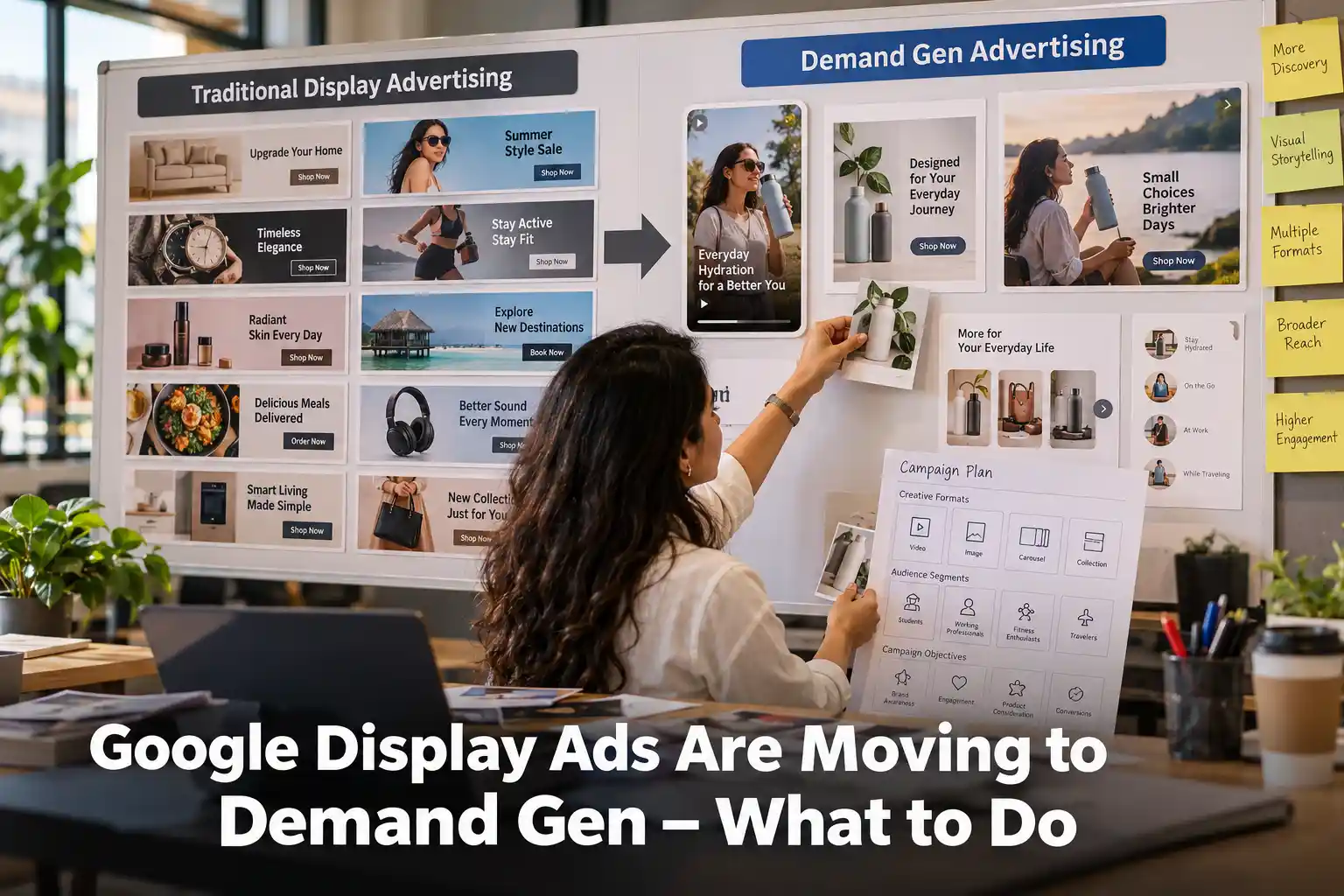
Google Display Ads Are Moving to Demand Gen – What to Do Google Display Ads are moving into Demand Gen,…

ChatGPT Visual Ads Are Coming. What Brands Should Know Ask ChatGPT to create an image, and you may soon see…
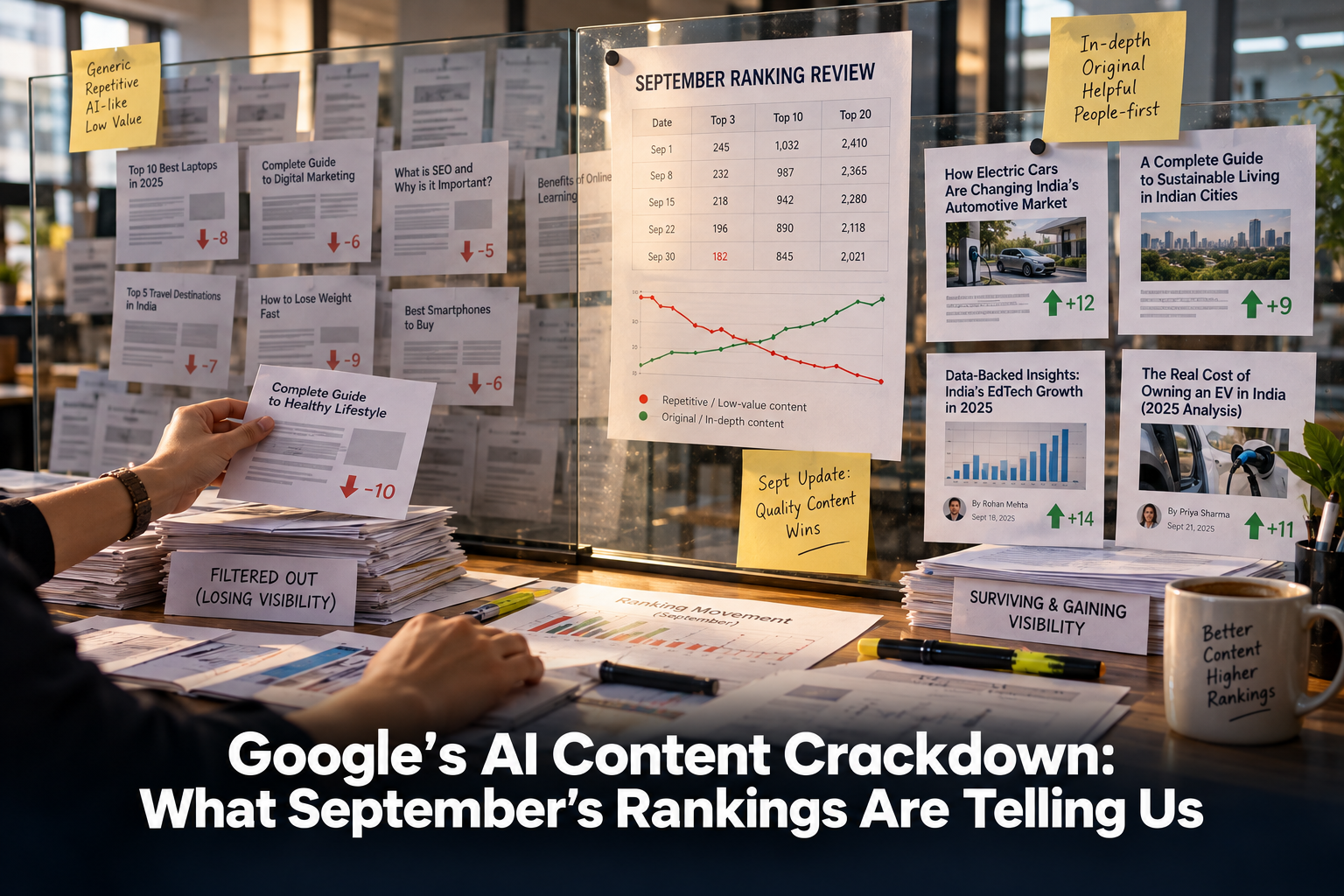
Google’s AI Content Crackdown: What September’s Rankings Are Telling Us Google’s AI content crackdown became one of the most talked-about…
Google Is Moving Your Ads to AI Max — Here’s What to Do AI Max is Google’s newest bid to…

Gemini 3.7 Flash Is Upgrading Google AI Mode — What to Do Gemini 3.7 Flash arrived inside Google AI Mode…
Used vs Cited in AI Search — What Your Brand Needs to Know AI search has quietly split brand visibility…
Category Framing: Why AI Recommends Some Brands Over Others Category framing is quietly deciding which brands show up when someone…

Why Your SEO Strategy Needs Less Content — What the Data Says Your SEO strategy probably has a publishing problem,…