AI Overview Citations Keep Changing: What It Means for Your Clicks
AI Overview Citations Keep Changing: What It Means for Your Clicks For a long time, Google search was easy to…
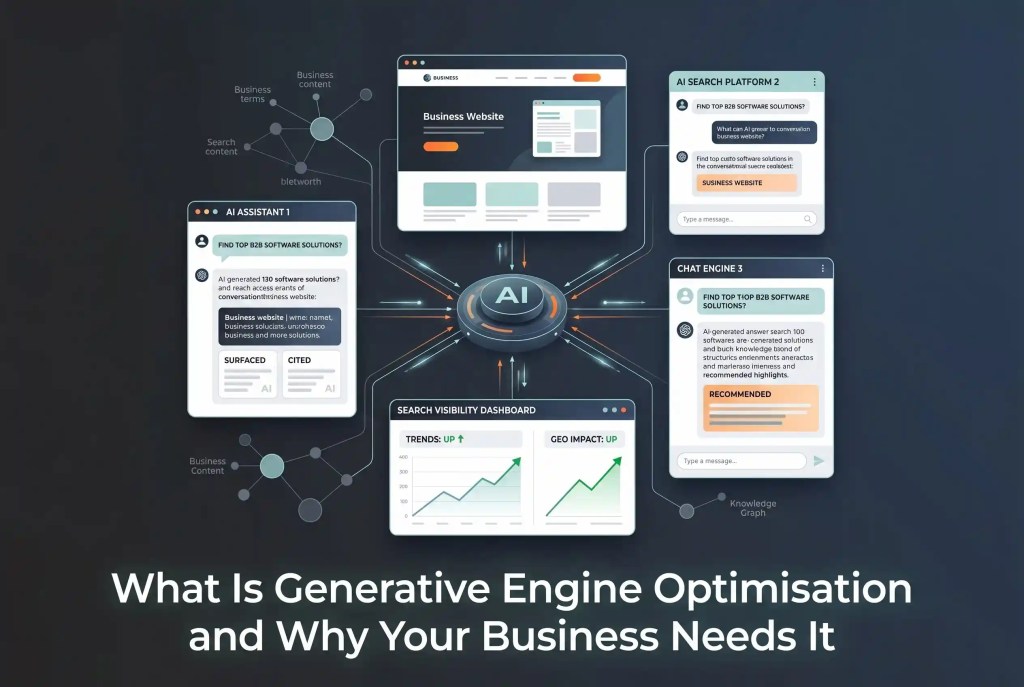
Generative Engine Optimisation is the practice of structuring and optimising your content so that AI-powered search engines — like Google AI Overviews, ChatGPT, and Perplexity — can read, understand, and cite it when answering user queries. If SEO was about ranking on a results page, GEO is about being referenced inside the answer itself.
It sounds like a subtle difference. In reality, it is not. It changes how you write content, how you structure your website, and how your business gets discovered online.
Table of Contents
Not long ago, the goal of digital marketing was simple — get to page one of Google. If you ranked in the top three results, you got traffic. The system was straightforward even if the execution was not.
However, that model is breaking down. Google now generates AI-powered answers at the top of search results before any links appear. ChatGPT has over a hundred million users who ask it questions the way they used to ask Google. Meanwhile, Perplexity is growing fast as a research tool that cites sources directly inside its responses. On top of that, Microsoft Copilot is built into Windows and answers questions without opening a browser.
The common thread across all of these is that users are getting answers from AI systems — and those AI systems pull content from websites they trust. If your website is not structured in a way that these systems can read and reference, your business simply does not appear in those answers.
That is the problem Generative Engine Optimisation solves.
GEO is not a completely separate discipline from SEO. In fact, a lot of the foundation overlaps — good content, clear structure, fast pages, trustworthy sources. However, there are specific things GEO requires that traditional SEO does not emphasise as strongly.
The first is direct, question-based content. AI systems are built to answer questions. Therefore, if your content is written in vague, marketing-heavy language without clearly addressing what your audience is searching for, it will not be picked up. Pages that open with a clear answer to a real question — and then build on that answer — are far more likely to be cited.
The second is structured data and schema markup. This is the technical layer that tells search engines and AI systems what your content is about, who wrote it, what type of page it is, and what questions it answers. Without it, even great content becomes harder for AI to categorise and reference confidently.
The third is E-E-A-T — Experience, Expertise, Authoritativeness, and Trustworthiness. AI systems do not pull from just any website. Instead, they favour sources that have demonstrated credibility over time. This means having real author bylines, linking to credible external sources, earning backlinks from trusted sites, and maintaining consistent content quality over months and years — not just weeks.
The fourth is brand entity optimisation. AI systems build an understanding of what your business is, what it does, and who it serves based on signals across the web — your website, your Google Business Profile, your social profiles, and your mentions on other sites. As a result, the more consistent and detailed those signals are, the more confidently an AI system will reference you.
The businesses that will struggle most over the next few years are the ones waiting to see how AI search develops before taking action. By the time the picture is completely clear, early movers will have already built the content authority and technical foundations that take months to establish.
On the other hand, the businesses that will thrive are the ones treating GEO as a natural extension of what good marketing has always been — being genuinely useful, being easy to find, and being credible enough that people trust what you say.
If your website currently has thin content, no structured data, and pages that do not clearly answer real questions, you are already behind in traditional SEO. Furthermore, GEO makes that gap more urgent, not less.
They share the same foundation but have different goals. SEO focuses on ranking in traditional search results. GEO focuses on being cited inside AI-generated answers. A strong SEO strategy helps GEO, but GEO requires additional steps around content structure, schema, and entity signals.
Primarily Google AI Overviews, ChatGPT, Perplexity, and Microsoft Copilot — but the principles apply to any AI system that pulls from web content to generate answers.
Like SEO, GEO is a long-term investment. Some improvements — like adding schema markup or restructuring existing pages — can produce results within weeks. Building content authority and entity recognition takes several months of consistent effort.
Yes — arguably more than large ones. Big brands already have the authority signals AI systems look for. Smaller businesses need to be more deliberate about building those signals through content, structured data, and consistent online presence.
Generative Engine Optimisation is not a niche technical exercise for enterprise brands with large SEO teams. It is becoming a baseline requirement for any business that wants to stay visible as AI search continues to grow.
The shift is already happening. Every month, more searches end inside an AI-generated answer rather than on a website. Businesses that structure their content for that reality now will compound their visibility over time. Businesses that wait will find themselves increasingly invisible — even if their traditional SEO metrics look fine on paper.
At Turnihi, GEO is one of the core services we build into every client engagement. If you want to understand where your website currently stands and what it would take to show up in AI-generated answers, we would love to walk you through it.
Share Post:

Related Post
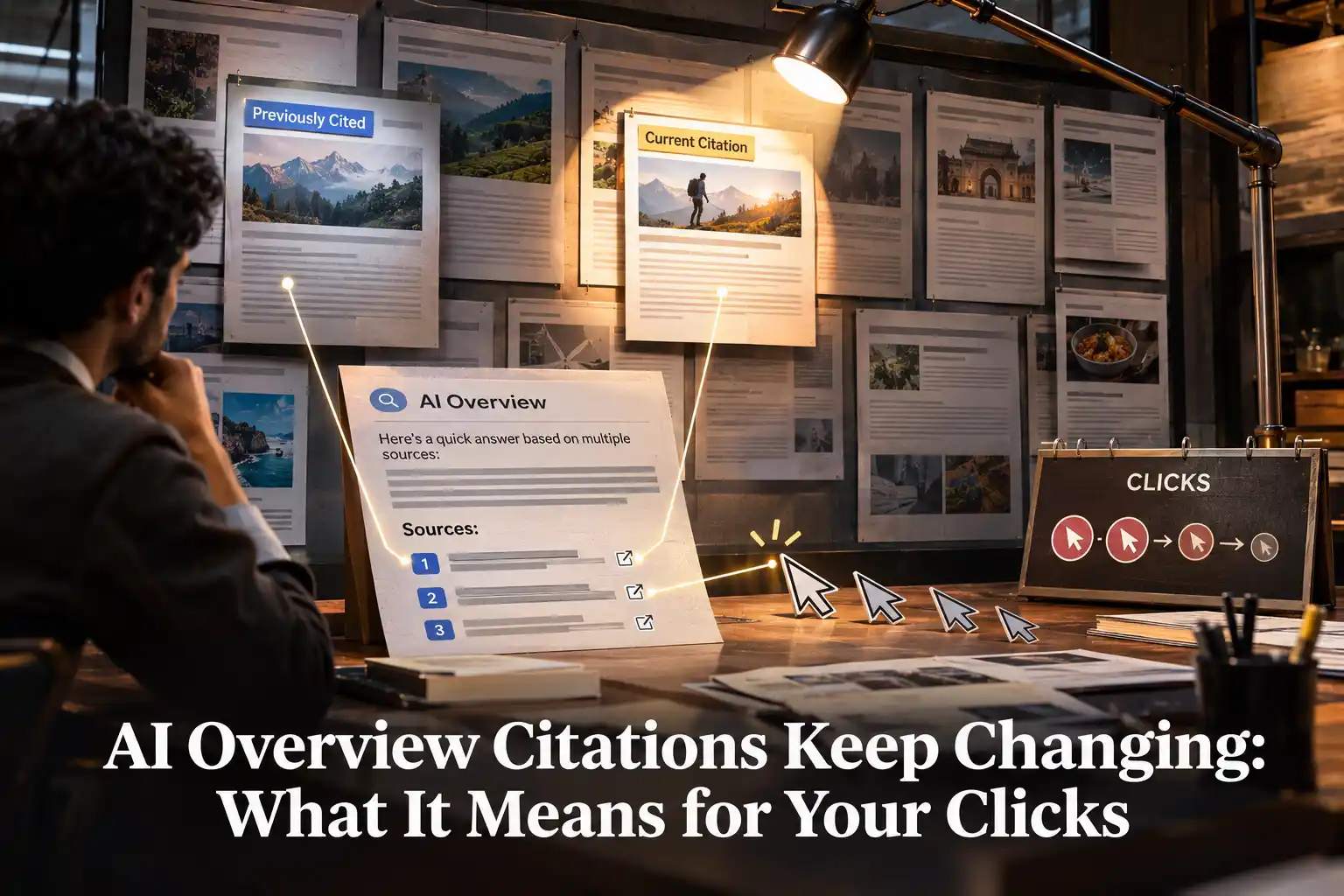
AI Overview Citations Keep Changing: What It Means for Your Clicks For a long time, Google search was easy to…

Website Design for AI Mode: What Changes After Gemini 4 Argon Website design for AI Mode is the practice of…

PHP Hacked: What Your Business Website Needs to Do Right Now PHP hacked means someone has broken into your website…
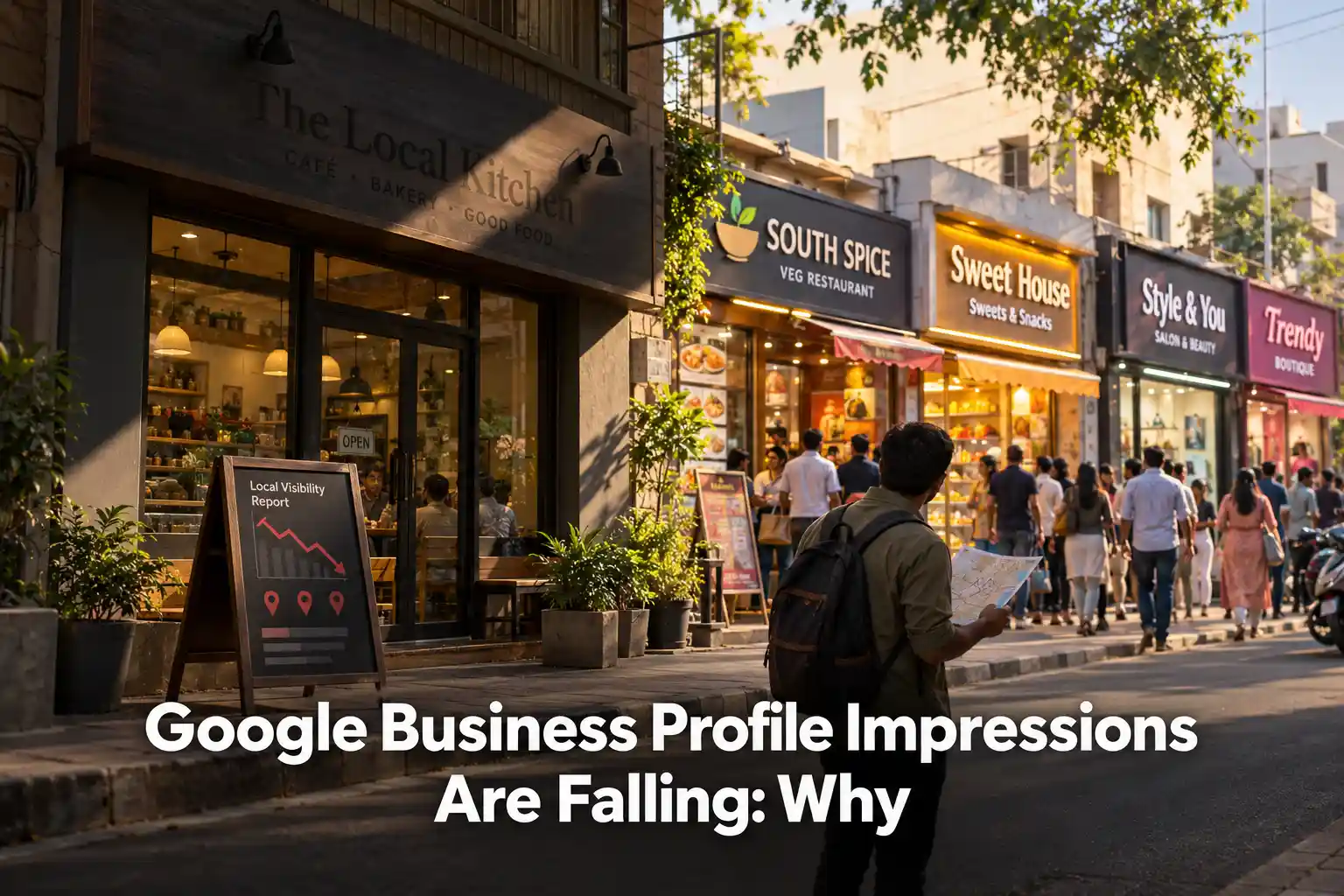
Google Business Profile Impressions Are Falling: Why Google Business Profile impressions are falling because AI Overviews and zero-click results now…
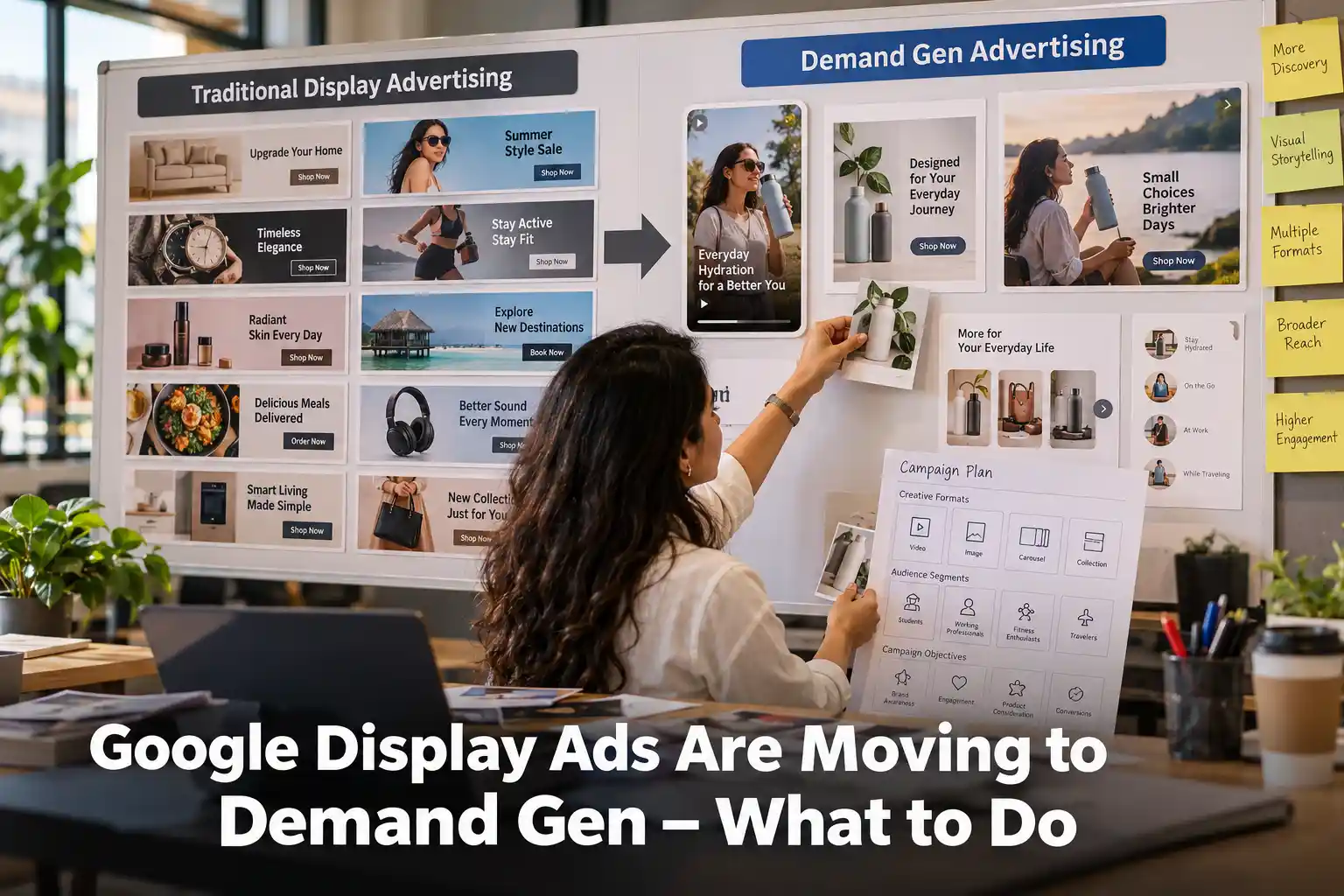
Google Display Ads Are Moving to Demand Gen – What to Do Google Display Ads are moving into Demand Gen,…

ChatGPT Visual Ads Are Coming. What Brands Should Know Ask ChatGPT to create an image, and you may soon see…
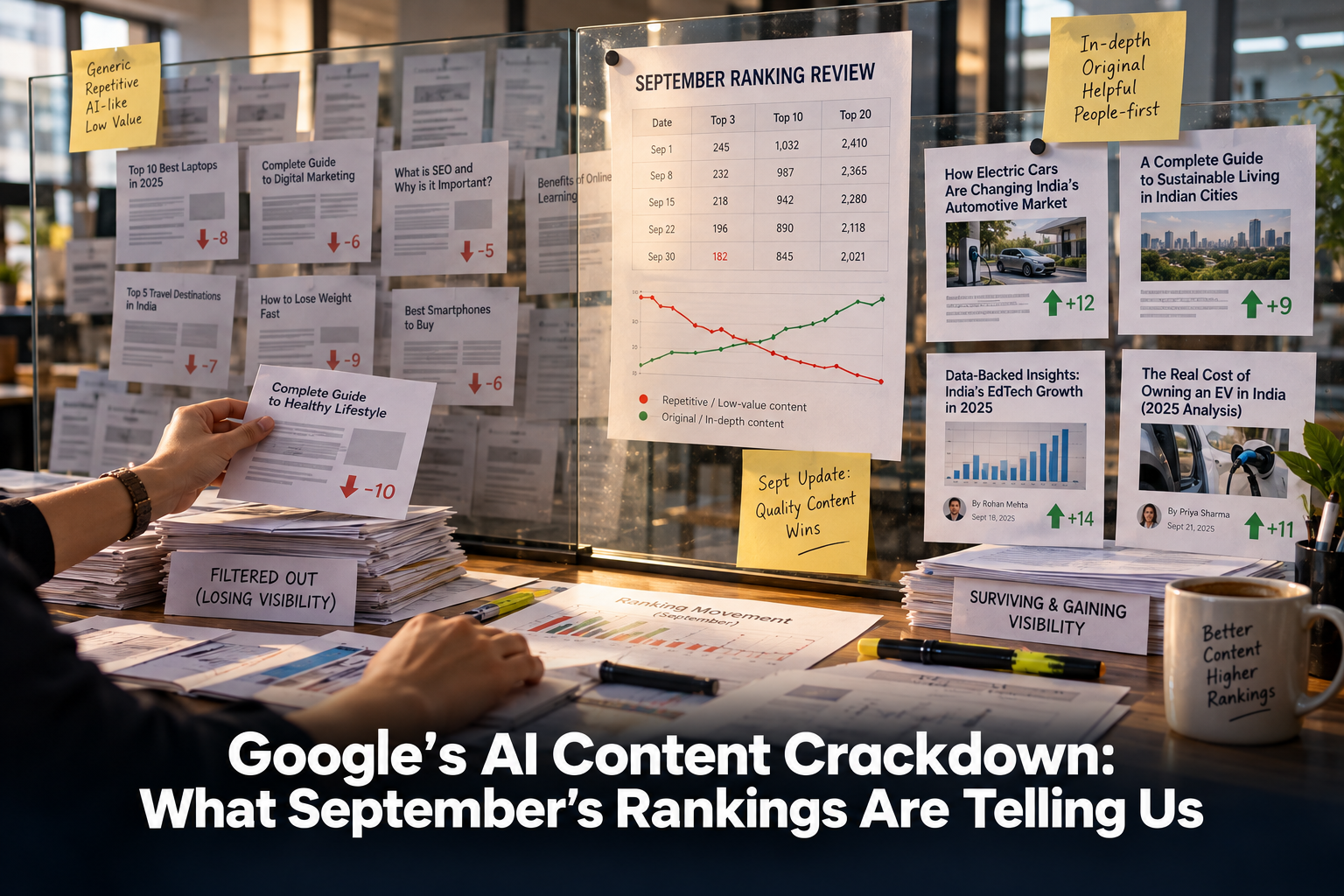
Google’s AI Content Crackdown: What September’s Rankings Are Telling Us Google’s AI content crackdown became one of the most talked-about…
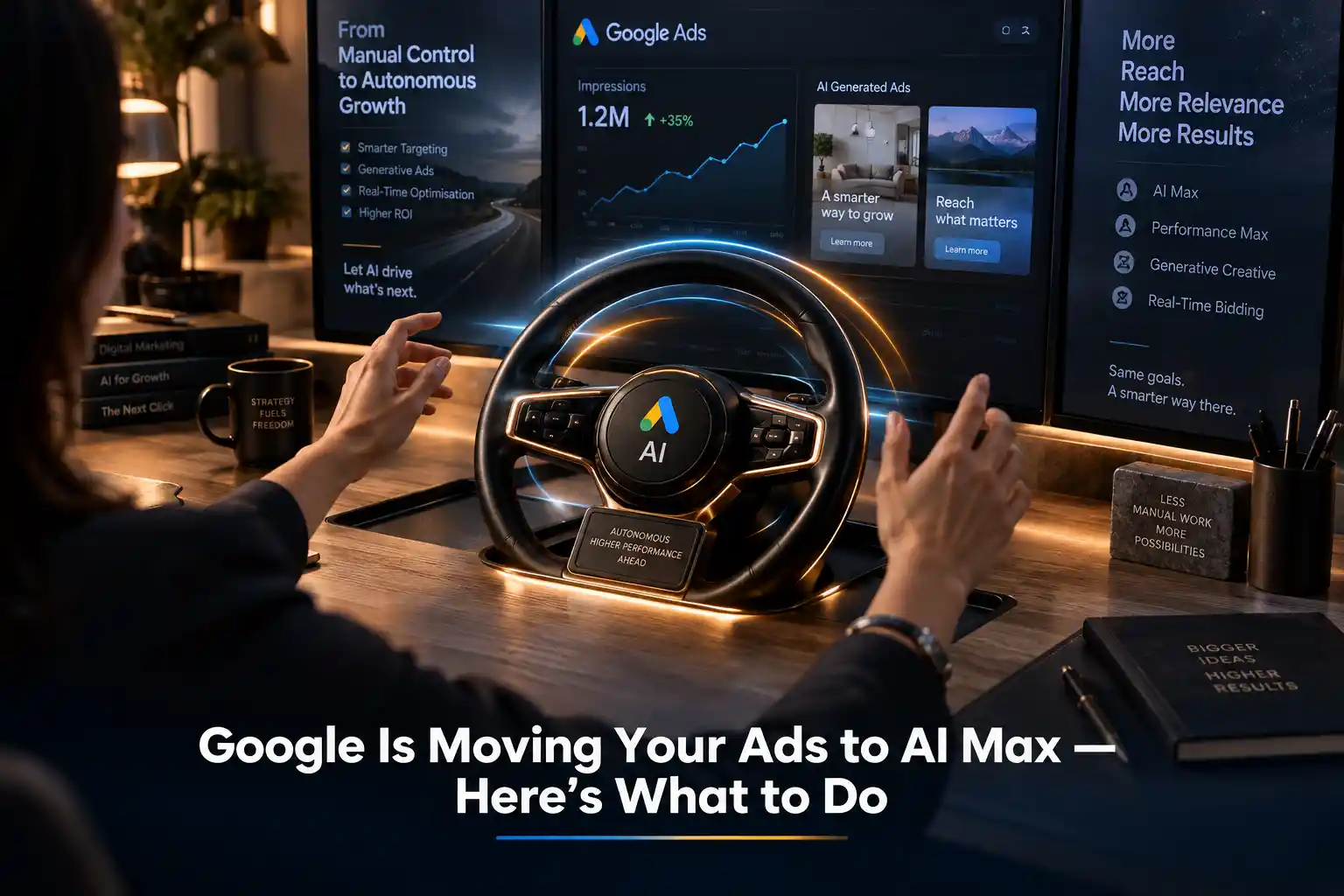
Google Is Moving Your Ads to AI Max — Here’s What to Do AI Max is Google’s newest bid to…
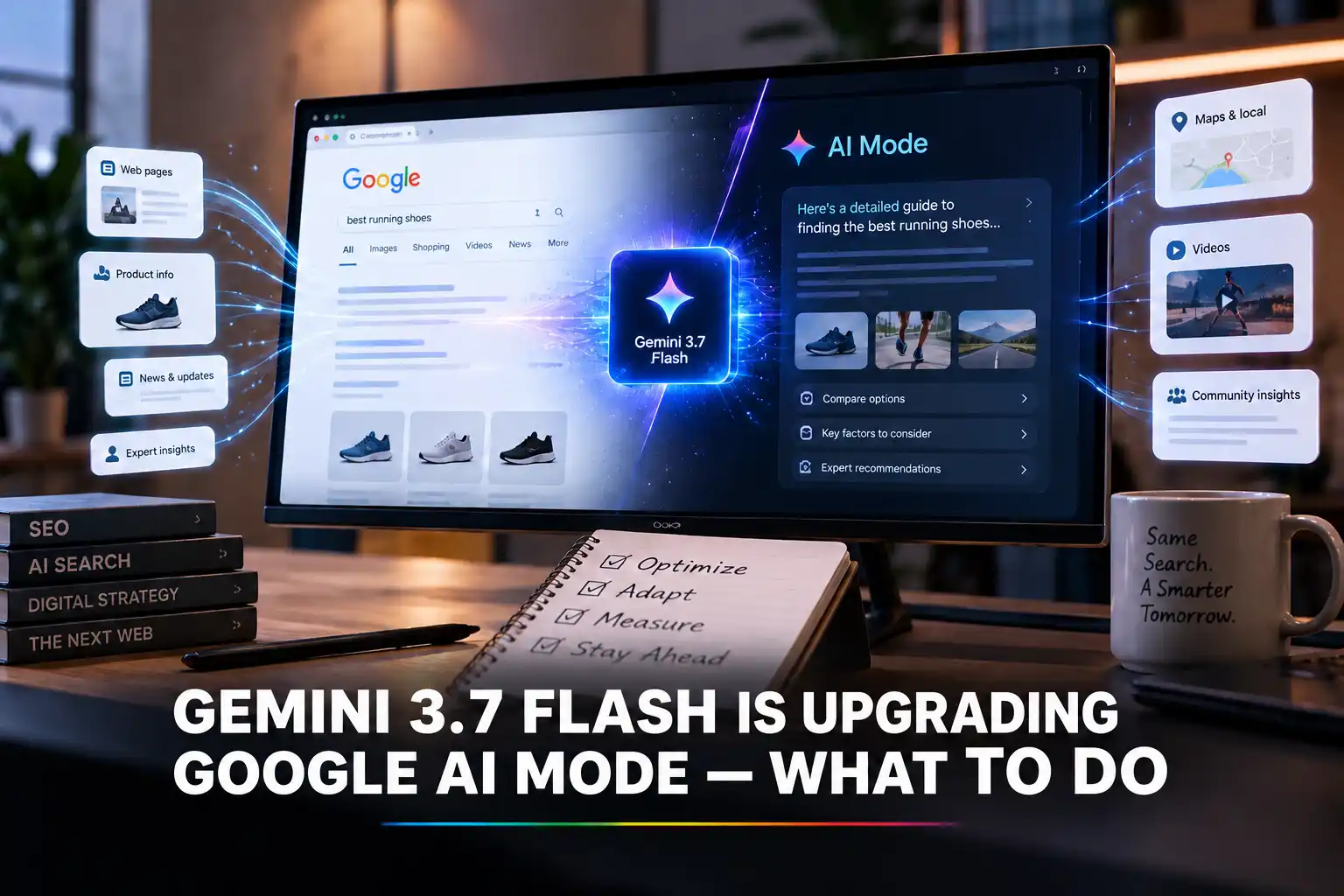
Gemini 3.7 Flash Is Upgrading Google AI Mode — What to Do Gemini 3.7 Flash arrived inside Google AI Mode…

Used vs Cited in AI Search — What Your Brand Needs to Know AI search has quietly split brand visibility…
Category Framing: Why AI Recommends Some Brands Over Others Category framing is quietly deciding which brands show up when someone…