
Website Design for AI Mode: What Changes After Gemini 4 Argon
Website Design for AI Mode: What Changes After Gemini 4 Argon Website design for AI Mode is the practice of…

An llms.txt file is one of those things almost nobody is talking about yet, but it’s about to matter a lot. If you haven’t heard the term before, don’t worry, most business owners haven’t either. Everyone’s still busy chasing traditional SEO rankings while a quieter shift happens in the background. AI tools like ChatGPT, Perplexity, and Google’s AI Overviews are reshaping how people actually find businesses, and an llms.txt file is turning into the bridge between your website and these systems.
Picture a robots.txt file, except instead of talking to search engine crawlers, it’s talking to AI models. That’s basically what an llms.txt file is. It sits at the root of your website and gives AI tools a clean, no-nonsense summary of what your business actually does and which pages on your site matter most. Here’s the problem it solves: AI models don’t read websites the way we do. Cluttered menus, heavy JavaScript, inconsistent page structures, all of it confuses them. An llms.txt file cuts through that mess and just hands AI exactly what it needs, in a format it can actually use.
People aren’t only searching on Google anymore. They’re asking ChatGPT for recommendations, getting Perplexity to compare service providers side by side, leaning on AI Overviews before they’ve even clicked a single website. If your business isn’t easily understood by these tools, you’re simply not part of that conversation. An llms.txt file improves the odds that AI systems get your business right, pull accurate details, and actually mention you when someone asks a relevant question. This is really the heart of Generative Engine Optimisation. It’s not just about ranking on Google anymore. It’s about being the answer AI chooses to give.
Right now, hardly any businesses have an llms.txt file set up. Which, honestly, is exactly why this is worth doing now rather than later. Most companies are still trying to nail basic SEO, so optimising for AI crawlers isn’t even on their radar. That gap is an opportunity. Set up your llms.txt file today, and you’re essentially teaching AI systems to understand your business before your competitors even know this exists. Wait too long, and that edge disappears the moment everyone else catches up. This isn’t about jumping on a trend for the sake of it. It’s about making sure you’re in the room when these AI conversations are happening.
The good news? You don’t need a development team or weeks of work for this. What you do need is a bit of thought. A solid llms.txt file usually covers a clear description of your business, links to the pages that matter (services, pricing, contact info), and a summary written in plain, direct language. Skip the marketing fluff entirely here. AI models respond to clarity, not persuasion, so write it like you’re filling out a fact sheet, not pitching a client. Once it’s ready, drop it at your root domain, same spot as robots.txt, so AI crawlers can find it without any extra digging.
To be clear, an llms.txt file isn’t replacing your SEO strategy. It’s working alongside it. Strong on-page SEO, a clean site structure, content that actually says something useful, all of that still matters because AI tools often lean on the same signals search engines do. What an llms.txt file adds is one more layer of clarity, built specifically so AI can interpret your site correctly. Businesses that get both right, solid SEO foundations plus a properly structured llms.txt file, are setting themselves up for visibility in two places at once: traditional search and the AI-driven search that’s only going to grow from here.
Not equally. It matters most for service businesses, e-commerce sites, and anyone hoping to show up in AI-generated answers. A small informational blog probably won’t see dramatic results, but getting in early still helps.
Not directly, no. It’s built for AI models, not Google’s ranking algorithm. But it does support broader visibility across the AI tools that are increasingly shaping how people make decisions.
That depends on how often AI models retrain and update, so don’t expect overnight results. What you do get is a head start, ready and waiting as these tools get better at pulling information from sites like yours.
Yes, it’s a fairly light technical task. That said, it works best when whoever writes it actually understands both your business and how AI models tend to interpret content, not just the technical setup.
An llms.txt file might look like a small, almost forgettable technical addition, but it signals something bigger. The way people find businesses is shifting, AI conversations are replacing search bars more and more, and a well-structured llms.txt file could genuinely decide whether you get recommended or get skipped entirely. Agencies like Turnihi Tech Solutions are already helping businesses get ahead of this shift, blending traditional SEO with newer practices like GEO and AEO, so websites are ready for both the search engines of today and whatever comes next.
Share Post:

Related Post

Website Design for AI Mode: What Changes After Gemini 4 Argon Website design for AI Mode is the practice of…

PHP Hacked: What Your Business Website Needs to Do Right Now PHP hacked means someone has broken into your website…

Google Business Profile Impressions Are Falling: Why Google Business Profile impressions are falling because AI Overviews and zero-click results now…
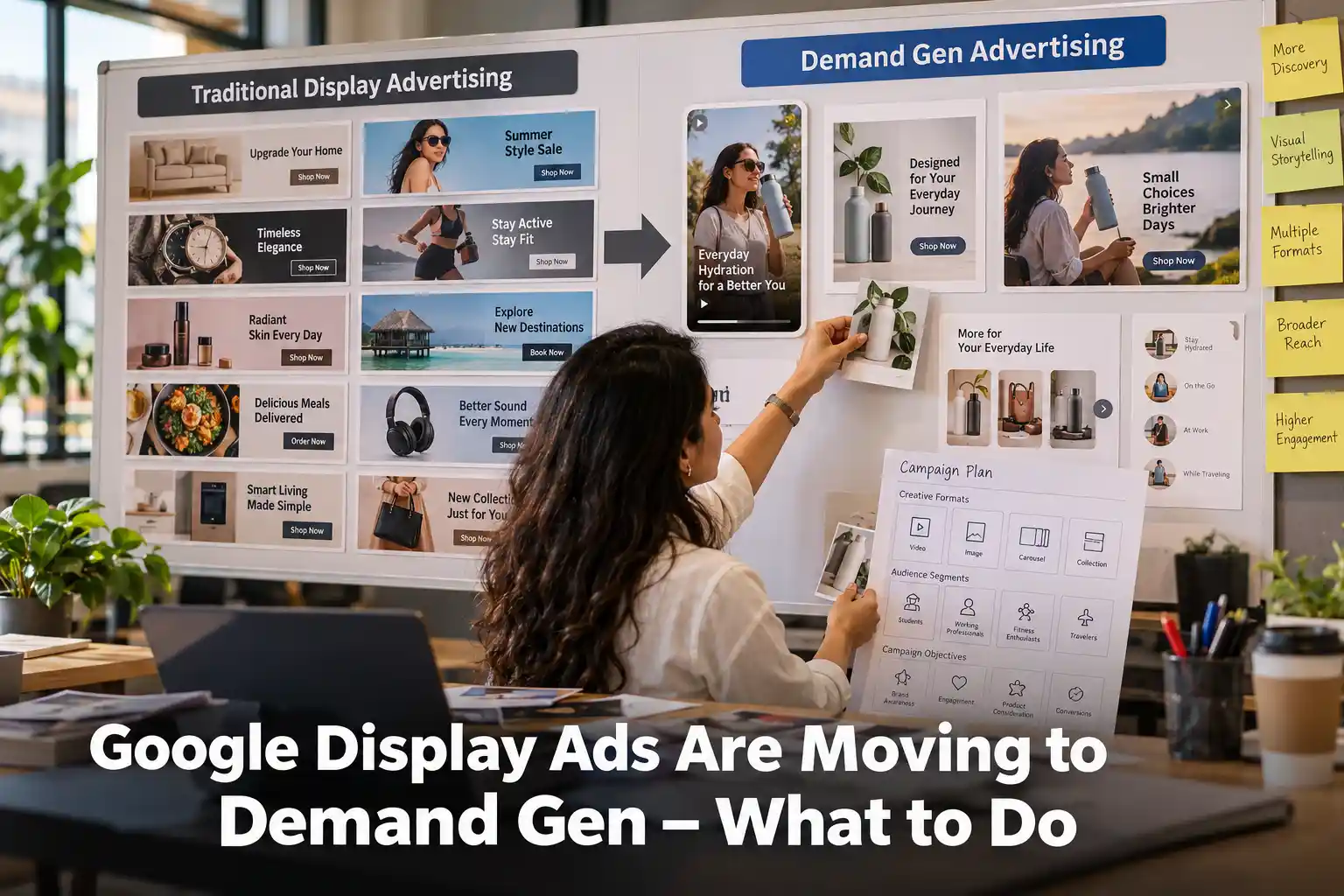
Google Display Ads Are Moving to Demand Gen – What to Do Google Display Ads are moving into Demand Gen,…

ChatGPT Visual Ads Are Coming. What Brands Should Know Ask ChatGPT to create an image, and you may soon see…
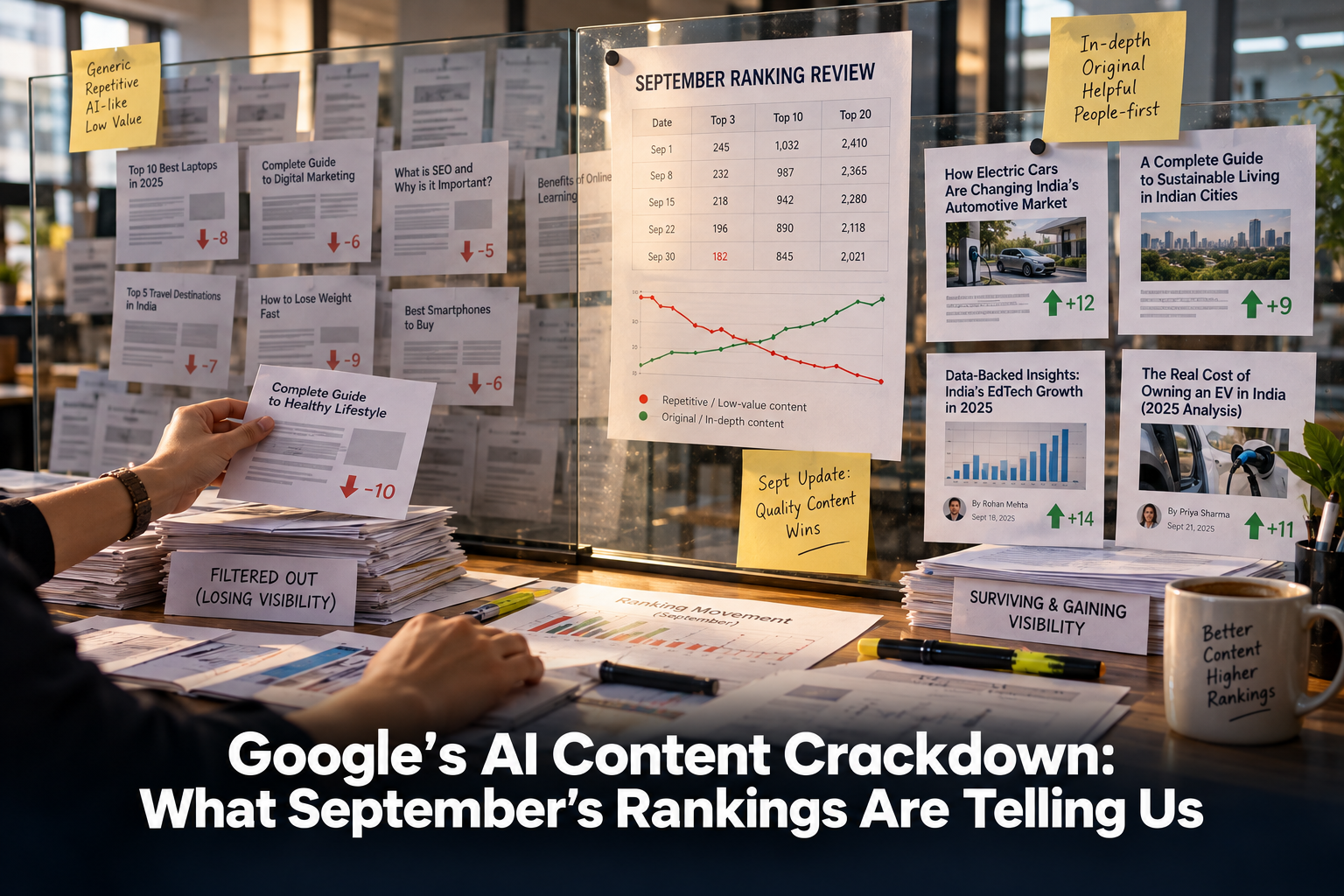
Google’s AI Content Crackdown: What September’s Rankings Are Telling Us Google’s AI content crackdown became one of the most talked-about…
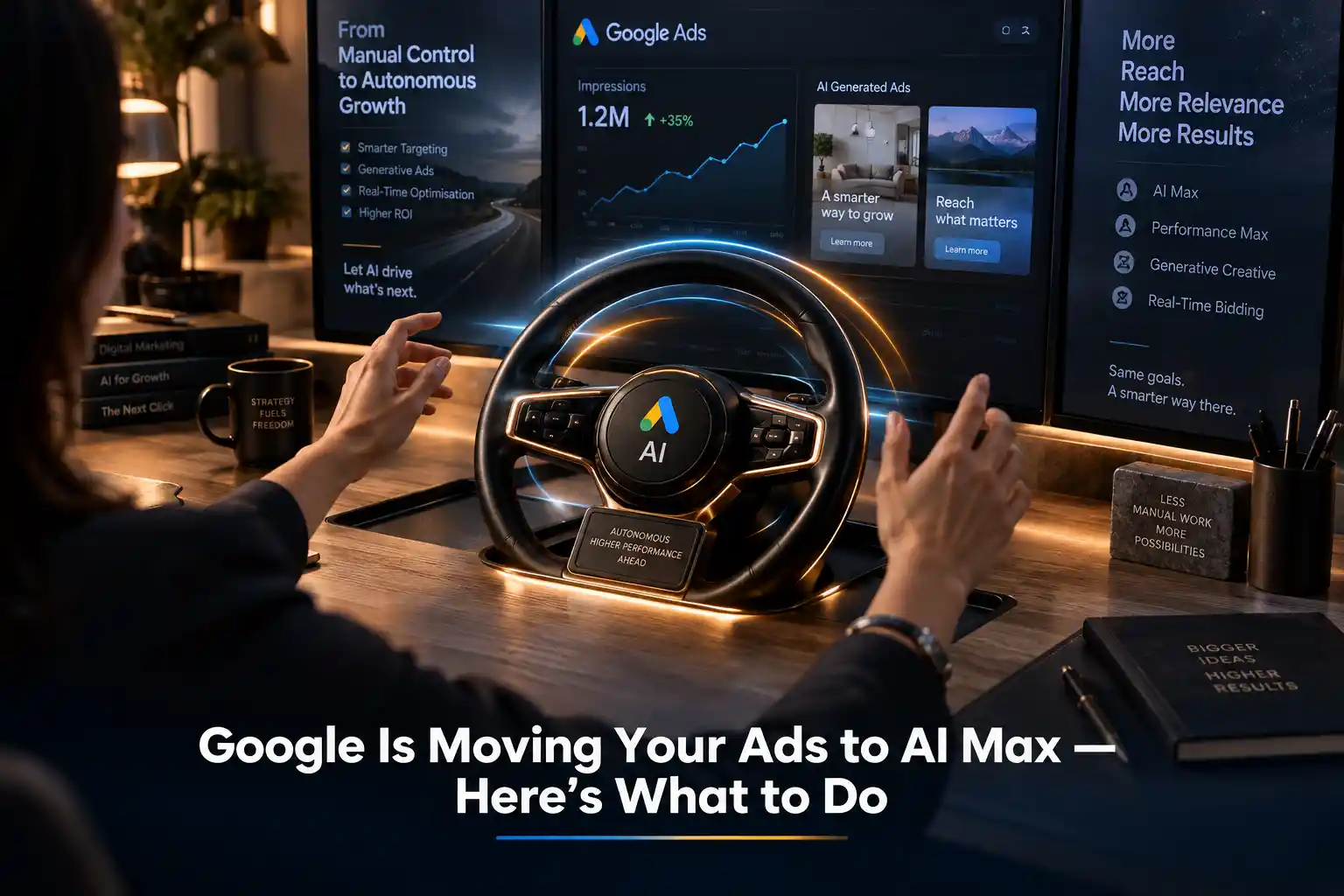
Google Is Moving Your Ads to AI Max — Here’s What to Do AI Max is Google’s newest bid to…
Gemini 3.7 Flash Is Upgrading Google AI Mode — What to Do Gemini 3.7 Flash arrived inside Google AI Mode…
Used vs Cited in AI Search — What Your Brand Needs to Know AI search has quietly split brand visibility…
Category Framing: Why AI Recommends Some Brands Over Others Category framing is quietly deciding which brands show up when someone…

Why Your SEO Strategy Needs Less Content — What the Data Says Your SEO strategy probably has a publishing problem,…