Google Display Ads Are Moving to Demand Gen – What to Do
Google Display Ads Are Moving to Demand Gen – What to Do Google Display Ads are moving into Demand Gen,…

AEO — Answer Engine Optimisation — is the practice of structuring your content so that search engines can pull it as a direct answer to a user’s question. Not a link they have to click. Not a page they have to scroll through. A direct, immediate answer — right at the top of the results page.
If you’ve ever seen a featured snippet, a People Also Ask box, or an AI-generated answer panel at the top of Google, you’ve seen AEO at work. The content sitting in those positions didn’t get there by accident. It got there because someone structured it in a way that made it easy for search engines to extract and display.
Most businesses don’t think about this. Which is exactly why the ones that do have such a visible advantage.
Table of Contents
SEO is about ranking. AEO is about answering. They work together, but they require different thinking.
With SEO, you’re trying to get your page to appear on the first page of results. With AEO, you’re trying to get your content to appear as the answer — above the first page, above the ads, above everything else. That’s a different kind of visibility entirely.
The shift matters because search behaviour has changed. People want answers faster than ever. They’re asking full questions — “how do I improve my website’s local SEO” or “what is generative engine optimisation” — and expecting an immediate, useful response. AEO is how your content becomes that response.
Think about what it means to appear at position zero — the featured snippet at the very top of a search results page. You get seen before every other organic result. Before the paid ads in some cases. By everyone who searches that query, whether they click through or not.
That kind of visibility builds brand recognition, trust, and authority — even among people who never visit your website. For businesses trying to compete in a crowded market, that top-of-page presence delivers real value.
It also directly feeds into how AI tools like ChatGPT and Google’s AI Overviews generate answers. Content that performs well for answer engines tends to perform well in AI search too — which means AEO and GEO are more connected than they might seem at first glance.
AEO isn’t a single tactic. It’s a way of thinking about how you structure content and how clearly you communicate. Here’s what actually moves the needle:
The starting point is understanding what questions your potential customers are actually asking. Not the keywords they might type, but the full questions — the ones they ask Google, the ones they ask voice assistants, the ones they search when they’re trying to figure something out.
Once you know those questions, your content needs to answer them directly. Not after three paragraphs of introduction. Right away, clearly, in plain language.
Search engines need to identify your answer quickly. That means using clear headings that mirror the question being asked, keeping answers concise and self-contained, and choosing formats that are easy to extract — short paragraphs, numbered lists where relevant, and FAQ sections that pair questions with direct answers.
This is why FAQ sections deliver so much value for AEO. They’re essentially pre-formatted answer units. Search engines consistently favour them.
Schema markup is code you add to your website that tells search engines exactly what your content covers. For AEO, FAQ schema and How-To schema are particularly useful — they signal to Google that your content contains structured answers and increase the likelihood of it appearing in a featured snippet or AI answer panel.
It’s a technical step, but it’s one of the most direct actions you can take to improve your AEO performance.
Long, meandering answers don’t get featured. Search engines favour content that gets to the point quickly and uses plain, direct language. If your content is full of jargon, hedging, or unnecessary padding, it won’t perform well in answer engine results — no matter how strong the underlying information is.
Write like you’re answering a question from a real person, not crafting copy for a search engine. That’s the mindset AEO demands.
AEO, GEO, and local SEO aren’t competing strategies. They’re layers of the same overall approach to online visibility.
Local SEO gets you found in location-based searches. GEO gets your content referenced in AI-generated answers. AEO gets your content featured at the top of traditional search results. A business that covers all three is covering every major way a potential customer might find them — and that’s a genuinely hard position for competitors to match.
AEO stands for Answer Engine Optimisation. It’s the practice of structuring your content so that search engines can pull it as a direct answer — in featured snippets, People Also Ask boxes, and AI-generated answer panels.
SEO focuses on ranking your pages in search results. AEO focuses on getting your content featured as a direct answer at the top of those results. Both matter — but AEO requires a specific focus on content structure and question-based formatting that regular SEO doesn’t always prioritise.
A featured snippet is the answer box that appears at the top of Google’s search results for certain queries. AEO helps you get one by structuring your content to directly answer relevant questions, using clear headings, concise language, and schema markup.
Some aspects of AEO — like adding schema markup — require technical help. But a lot of AEO comes down to how you write and structure your content, which doesn’t require any technical knowledge at all.
Absolutely. Featured snippets and AI answer panels don’t favour big brands over small ones — they favour the best-structured, most direct answer to a question. A well-optimised small business page can outperform a large brand’s content if it answers the question more clearly.
AEO is how your content stops competing for attention and starts commanding it. When your website is optimised for answer engines, you’re not just another result on the page — you’re the answer at the top of it.
At Turnihi Tech Solutions, AEO is built into how we approach content strategy for every client. If your website is producing content that never gets featured, never gets pulled into AI answers, and never appears in People Also Ask boxes — that’s something we can fix. It usually comes down to structure, clarity, and knowing what questions your customers are actually asking.
Share Post:

Related Post
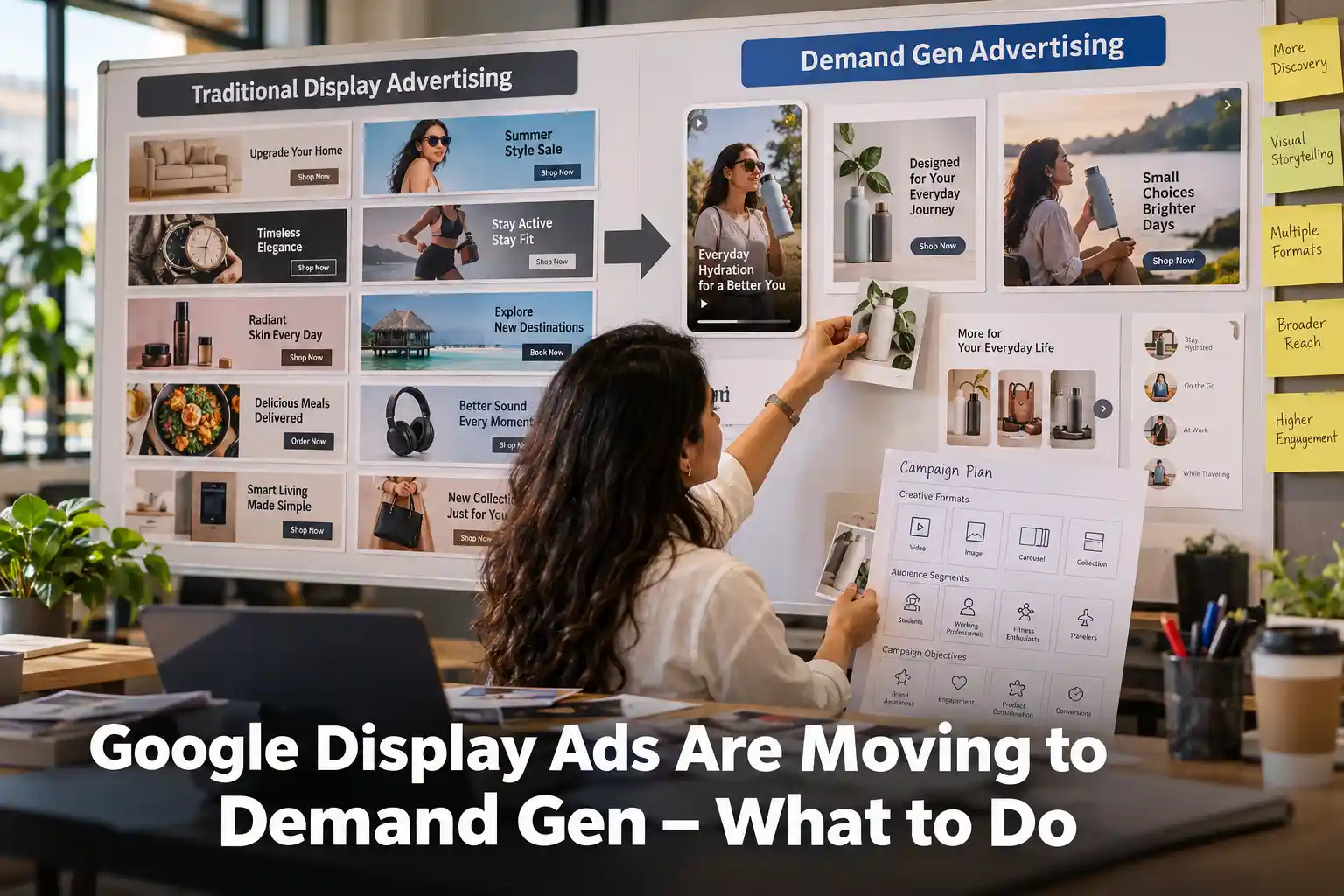
Google Display Ads Are Moving to Demand Gen – What to Do Google Display Ads are moving into Demand Gen,…
ChatGPT Visual Ads Are Coming. What Brands Should Know Ask ChatGPT to create an image, and you may soon see…
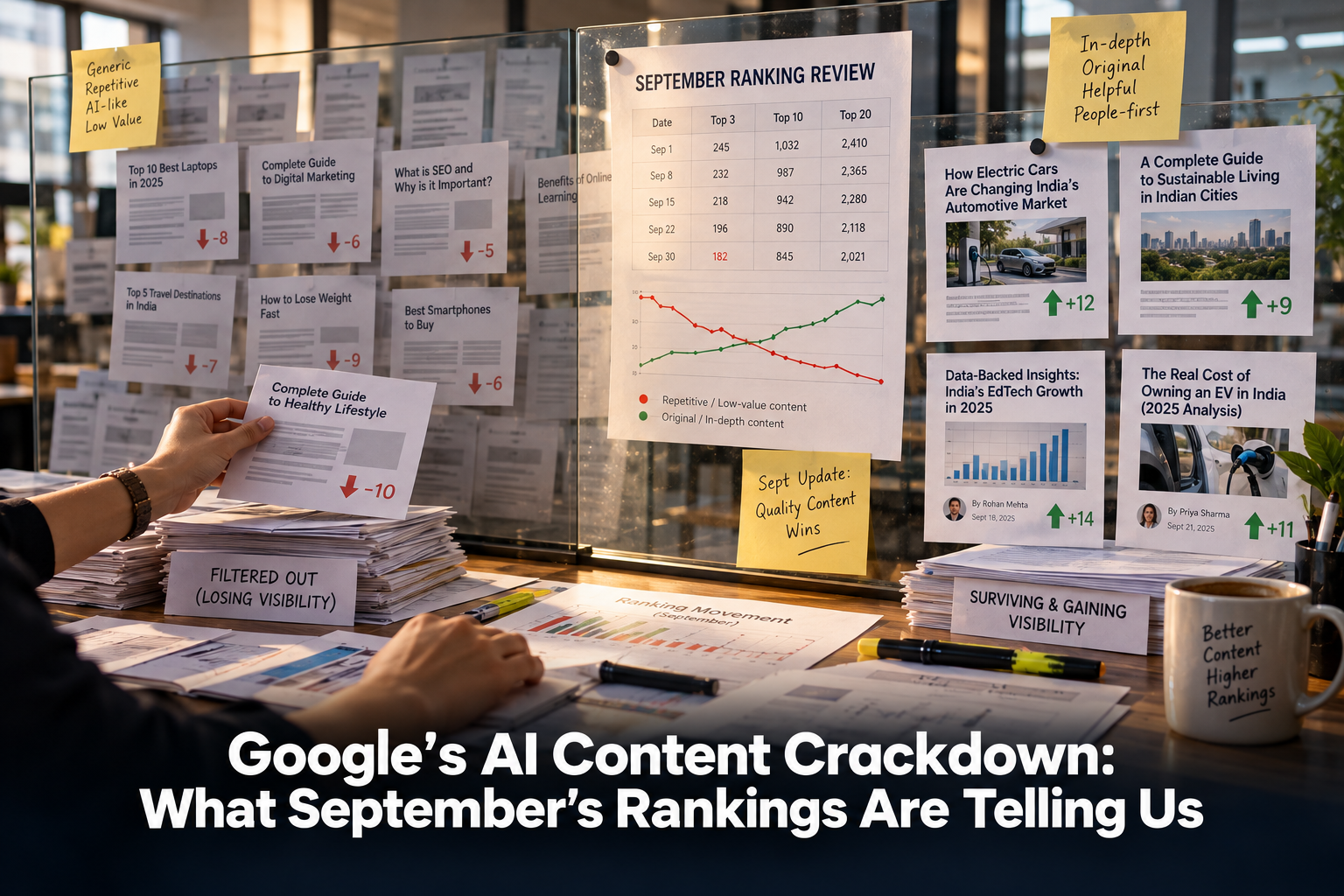
Google’s AI Content Crackdown: What September’s Rankings Are Telling Us Google’s AI content crackdown became one of the most talked-about…
Google Is Moving Your Ads to AI Max — Here’s What to Do AI Max is Google’s newest bid to…
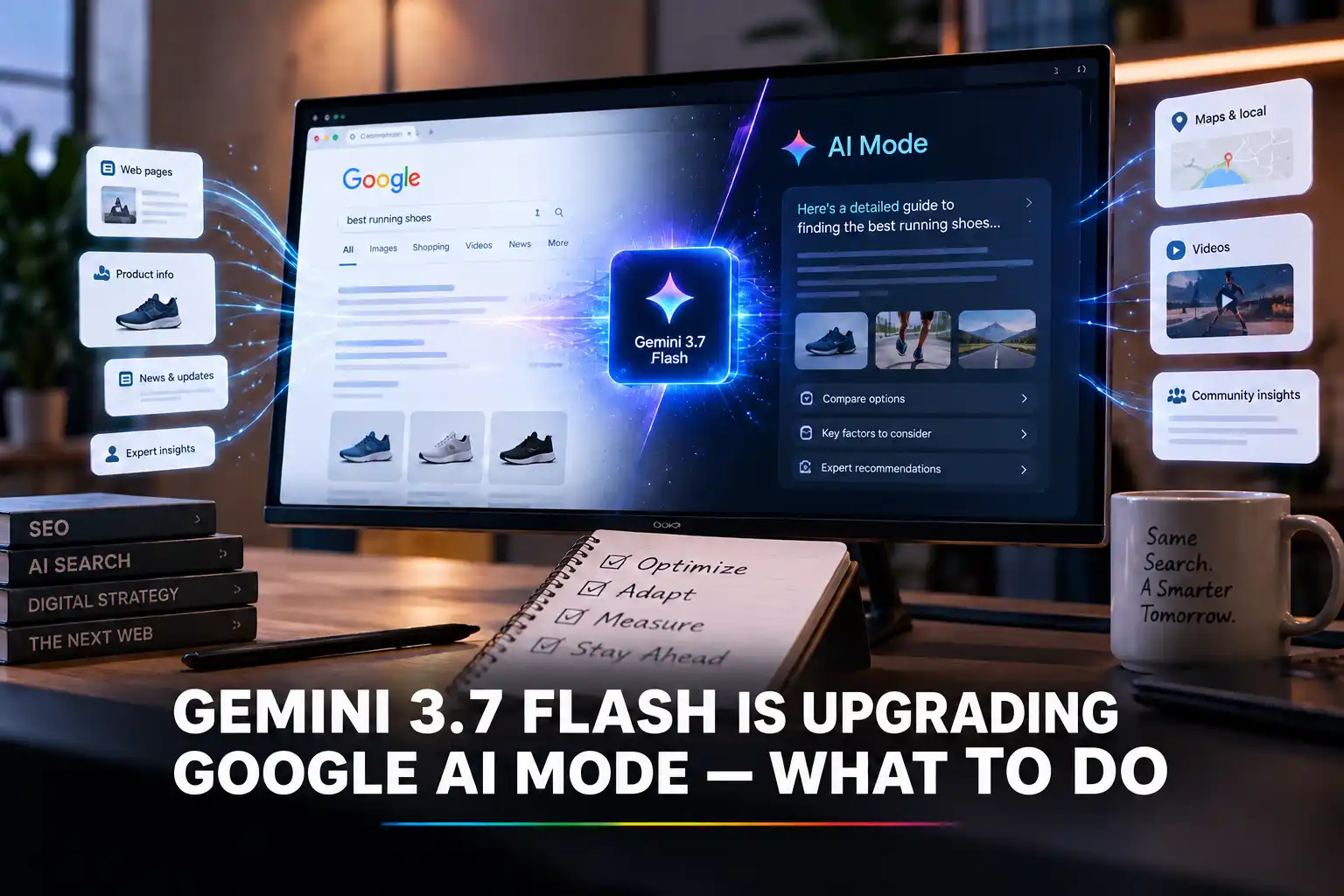
Gemini 3.7 Flash Is Upgrading Google AI Mode — What to Do Gemini 3.7 Flash arrived inside Google AI Mode…

Used vs Cited in AI Search — What Your Brand Needs to Know AI search has quietly split brand visibility…
Category Framing: Why AI Recommends Some Brands Over Others Category framing is quietly deciding which brands show up when someone…
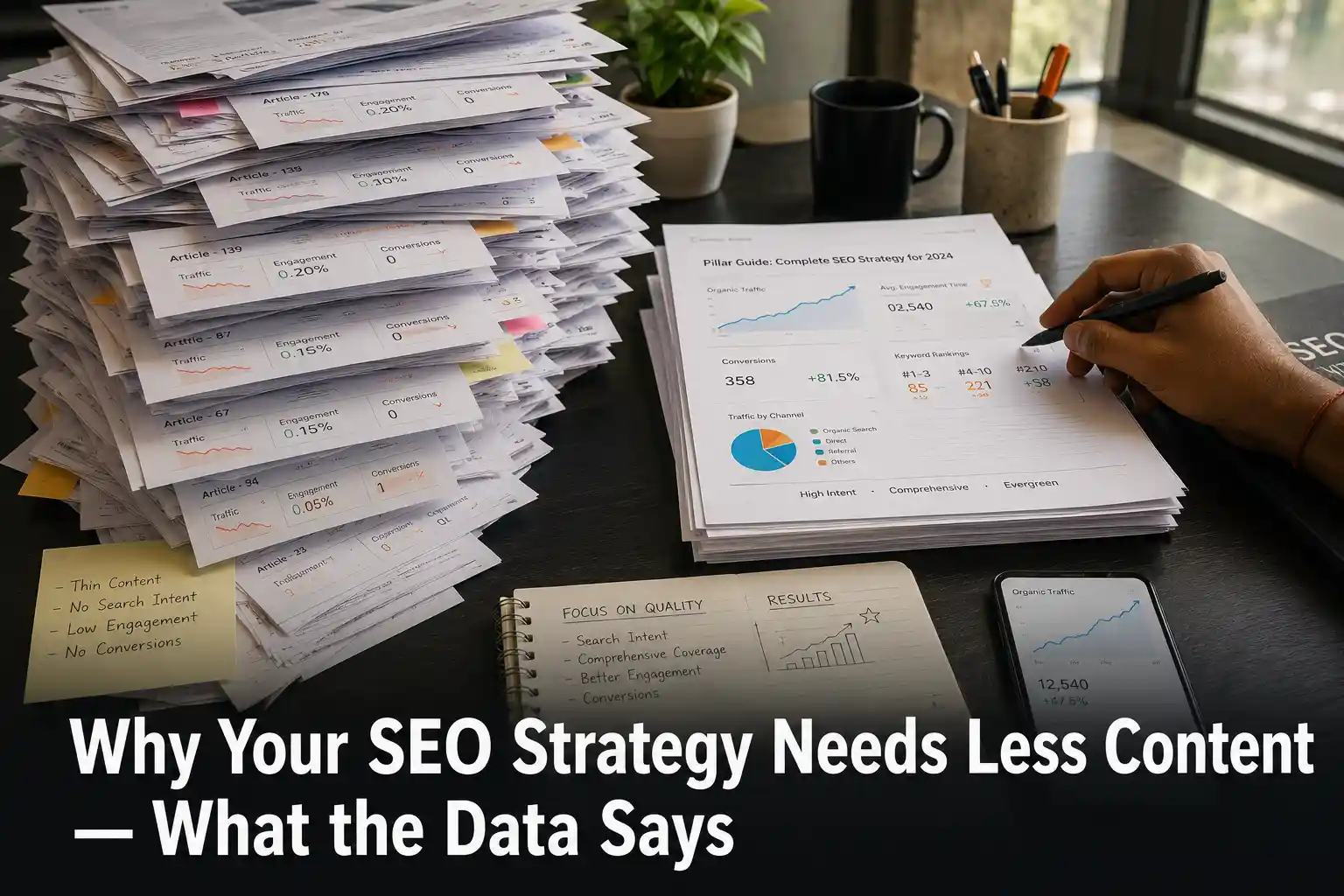
Why Your SEO Strategy Needs Less Content — What the Data Says Your SEO strategy probably has a publishing problem,…
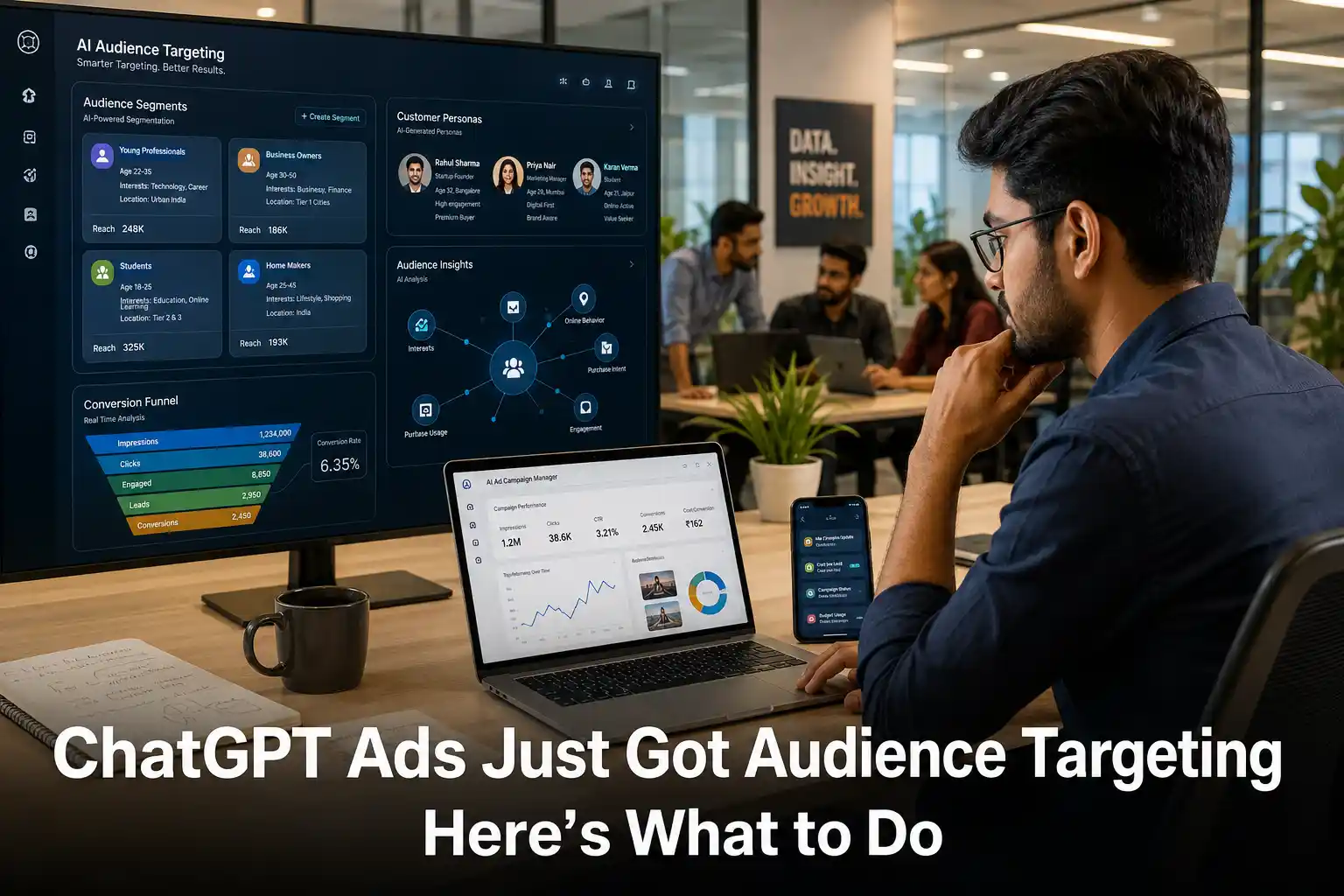
ChatGPT Ads Just Got Audience Targeting – Here’s What to Do ChatGPT Ads became a self-serve advertising platform on July…
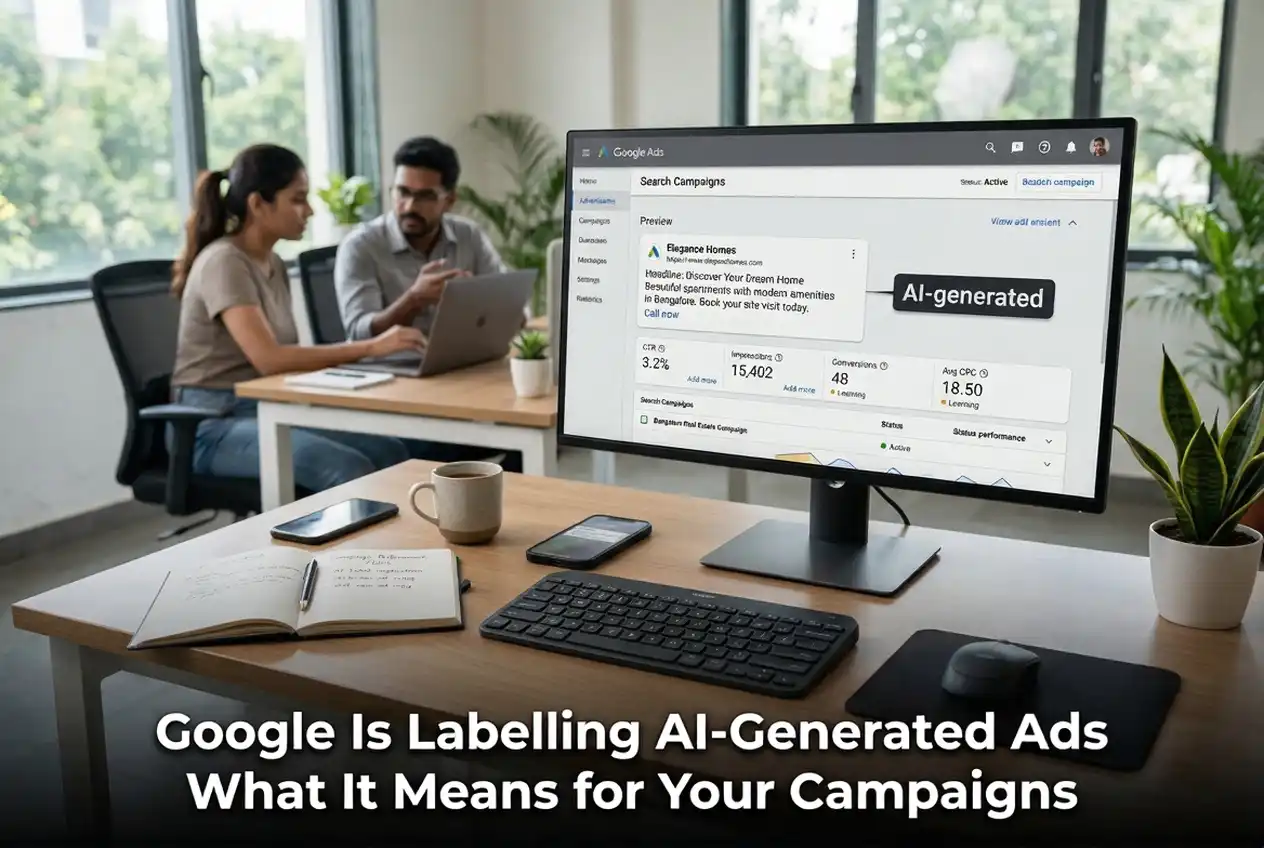
Google Is Labelling AI-Generated Ads — What It Means for Your Campaigns AI-generated ads across Google Search, YouTube, and Discover…