
Google Display Ads Are Moving to Demand Gen – What to Do
Google Display Ads Are Moving to Demand Gen – What to Do Google Display Ads are moving into Demand Gen,…

GEO — Generative Engine Optimisation — is the practice of optimising your content so that AI-powered search tools include your business in the answers they generate. It’s newer than SEO. Most businesses haven’t heard of it yet. And that’s exactly why it matters right now.
Search has changed more in the last two years than it did in the decade before. People aren’t just typing queries into Google and scrolling through blue links anymore. They’re asking AI tools — Google’s AI Overviews, ChatGPT, Bing Copilot, Perplexity — and getting direct answers without clicking on a single website. If your business isn’t being referenced in those answers, you’re invisible to everyone searching that way.
That’s the problem GEO solves.
Table of Contents
SEO gets your website ranking in traditional search results. GEO gets your content included in AI-generated answers. They’re related — strong SEO helps GEO — but they’re not the same thing.
With SEO, the goal is to rank on page one. With GEO, the goal is to be the source an AI tool draws from when someone asks a relevant question. That requires a different kind of content. Not keyword-heavy pages built around search volume. Content that’s clear, authoritative, structured, and genuinely useful — the kind an AI engine trusts enough to reference.
The businesses showing up in AI answers right now aren’t necessarily the biggest or the most established. They’re the ones whose content is structured in a way that AI tools can easily understand and use.
Here’s the reality: AI search is not a future trend. It’s happening now. Google’s AI Overviews appear at the top of results for millions of searches every day. ChatGPT has hundreds of millions of users asking it questions about products, services, and businesses. Perplexity is growing fast as an alternative search engine built entirely around AI-generated answers.
If your business shows up in those answers, you get visibility without competing for ad space or fighting for ranking positions. If it doesn’t, you’re losing ground to competitors who are already paying attention to GEO — even if they don’t know that’s what it’s called yet.
For local businesses especially, GEO is becoming a critical part of online visibility. When someone asks an AI tool “what’s the best digital marketing agency in Chennai,” the answer it gives is based on the content, authority, and structure of what’s available online. GEO is how you make sure your business is part of that answer.
GEO isn’t about gaming an algorithm. It’s about making your content genuinely useful and easy for AI tools to understand. A few things that matter most:
GEO Requires Clear, Direct Content AI tools favour content that answers questions directly and concisely. Long-winded introductions, vague descriptions, and content that buries the point don’t perform well in AI-generated answers. If your content can’t be easily summarised into a clear answer, it probably won’t be used as one.
GEO and Structured Content Headers, subheadings, FAQs, and well-organised page structure all help AI engines parse your content and understand what it’s about. The easier your content is to read and navigate, the more likely it is to be referenced in an AI answer.
GEO and Authority Signals AI tools don’t just pull from any website. They favour sources that have established credibility — through backlinks, consistent publishing, accurate information, and a trustworthy online presence. Building authority through SEO and content marketing directly supports your GEO performance.
GEO and Natural Language AI search queries tend to be conversational. “What does a digital marketing agency actually do?” is a more common AI query than “digital marketing agency services.” Content that uses natural, conversational language — and answers the kinds of questions real people ask — performs better in GEO than content written purely around keywords.
GEO and local SEO work better together than they do separately. Your local SEO builds the foundation — accurate business information, consistent directory listings, strong reviews. GEO builds on top of that foundation by ensuring your content is structured and authoritative enough for AI tools to reference when someone asks a locally relevant question.
A business that invests in both is covering every major channel through which a potential customer might find them — traditional search, maps, AI answers, and voice search. That’s what complete online visibility looks like in 2025.
Generative Engine Optimization. Simply put, it’s optimizing your website so tools like ChatGPT, Perplexity, and Google’s AI Overviews cite and recommend your business in their answers.
Yes. SEO fights for a spot in a list of blue links. GEO fights to get your brand quoted inside the AI’s actual answer. Good SEO gets you found; GEO gets you recommended.
Because people are changing how they search. Instead of browsing websites, millions now just ask an AI assistant. If you aren’t optimized for GEO, you are completely invisible to those users.
Get straight to the point. Stop using fluff. Use clear headings, answer customer questions directly in your text, use FAQ schema, and back your points up with real data so AI engines trust your authority.
Not even close. GEO builds on top of SEO, it doesn’t replace it. AI engines still crawl the web using classic SEO rules, so things like high-quality backlinks and fast page speeds are still non-negotiable.
GEO is one of those things that feels optional until you realise your competitors are already showing up in AI search answers and you’re not. The businesses that take it seriously now will have a significant head start over those that wait until it becomes mainstream advice.
At Turnihi Tech Solutions, GEO is part of how we approach content and online visibility for every client. If you want your business to show up in the places your customers are actually searching — including AI tools — it’s something worth getting right sooner rather than later.
Share Post:

Related Post
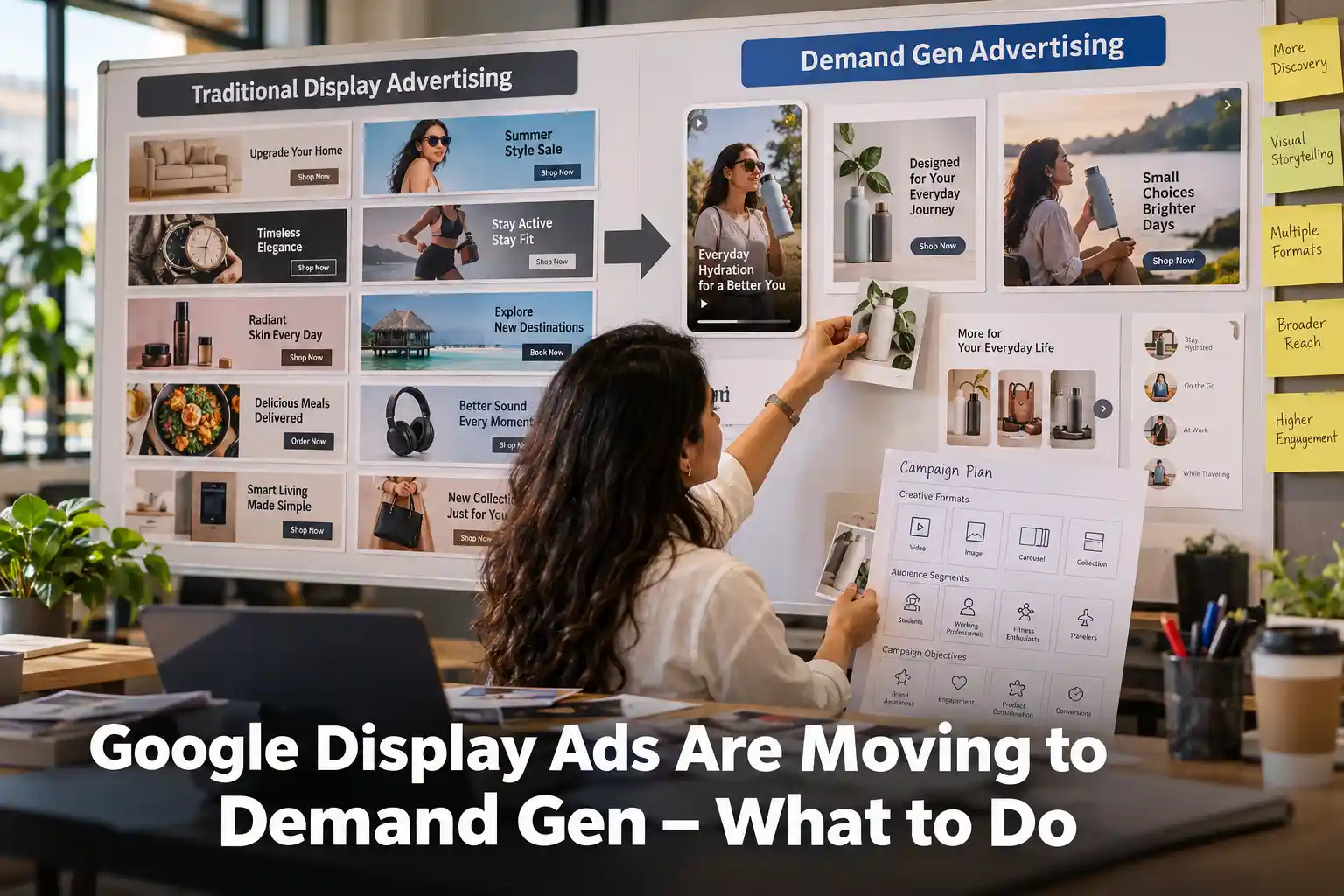
Google Display Ads Are Moving to Demand Gen – What to Do Google Display Ads are moving into Demand Gen,…

ChatGPT Visual Ads Are Coming. What Brands Should Know Ask ChatGPT to create an image, and you may soon see…
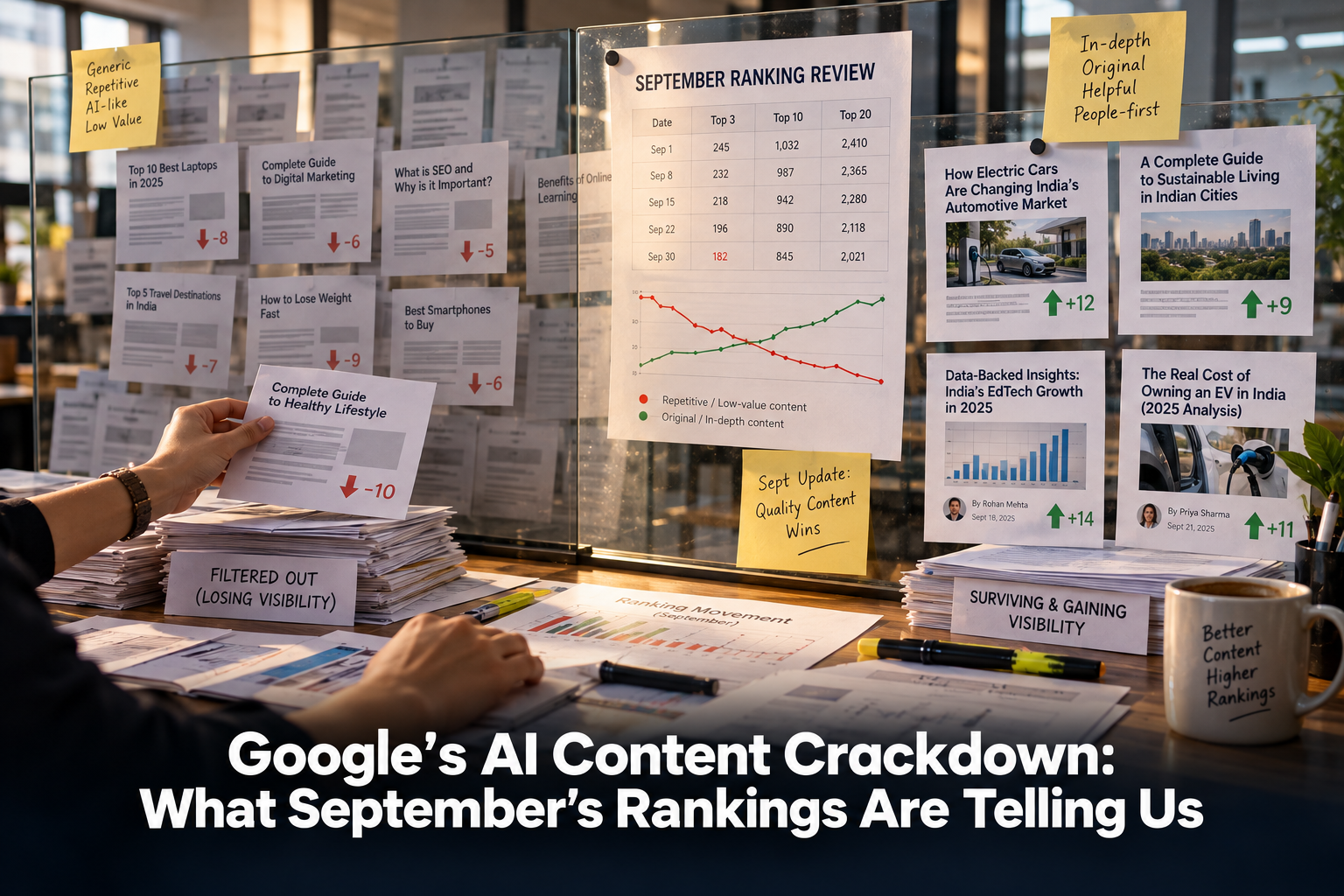
Google’s AI Content Crackdown: What September’s Rankings Are Telling Us Google’s AI content crackdown became one of the most talked-about…
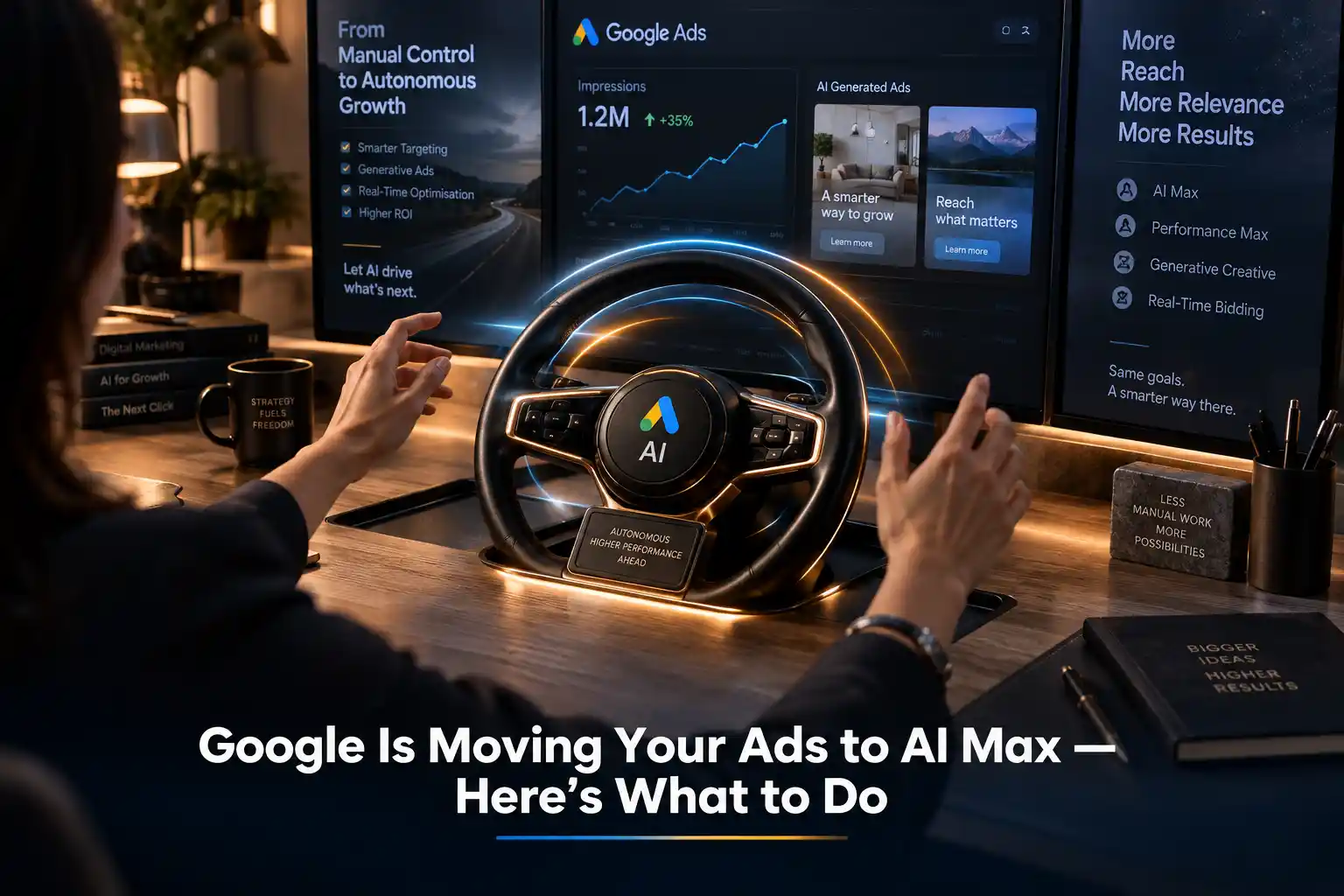
Google Is Moving Your Ads to AI Max — Here’s What to Do AI Max is Google’s newest bid to…
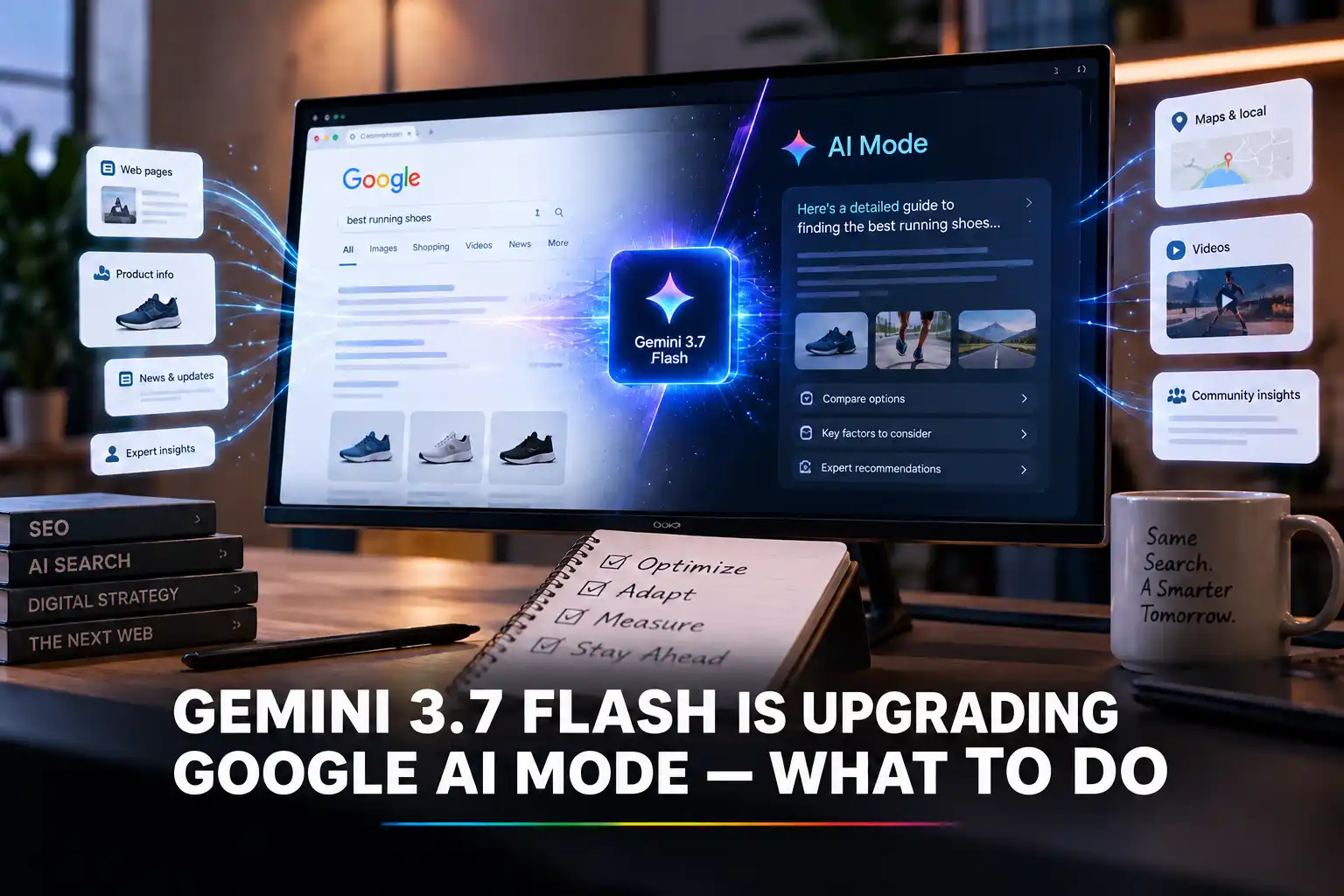
Gemini 3.7 Flash Is Upgrading Google AI Mode — What to Do Gemini 3.7 Flash arrived inside Google AI Mode…

Used vs Cited in AI Search — What Your Brand Needs to Know AI search has quietly split brand visibility…
Category Framing: Why AI Recommends Some Brands Over Others Category framing is quietly deciding which brands show up when someone…

Why Your SEO Strategy Needs Less Content — What the Data Says Your SEO strategy probably has a publishing problem,…

ChatGPT Ads Just Got Audience Targeting – Here’s What to Do ChatGPT Ads became a self-serve advertising platform on July…
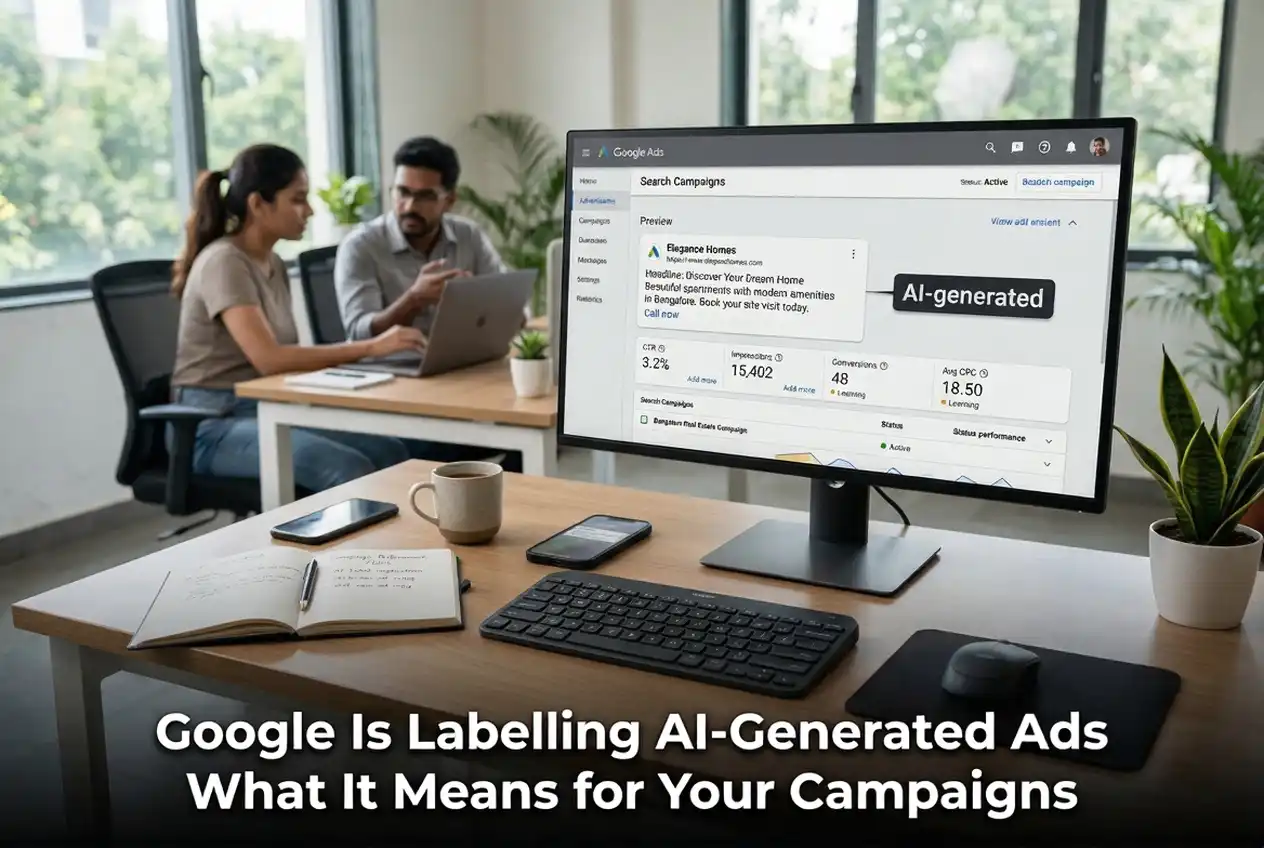
Google Is Labelling AI-Generated Ads — What It Means for Your Campaigns AI-generated ads across Google Search, YouTube, and Discover…